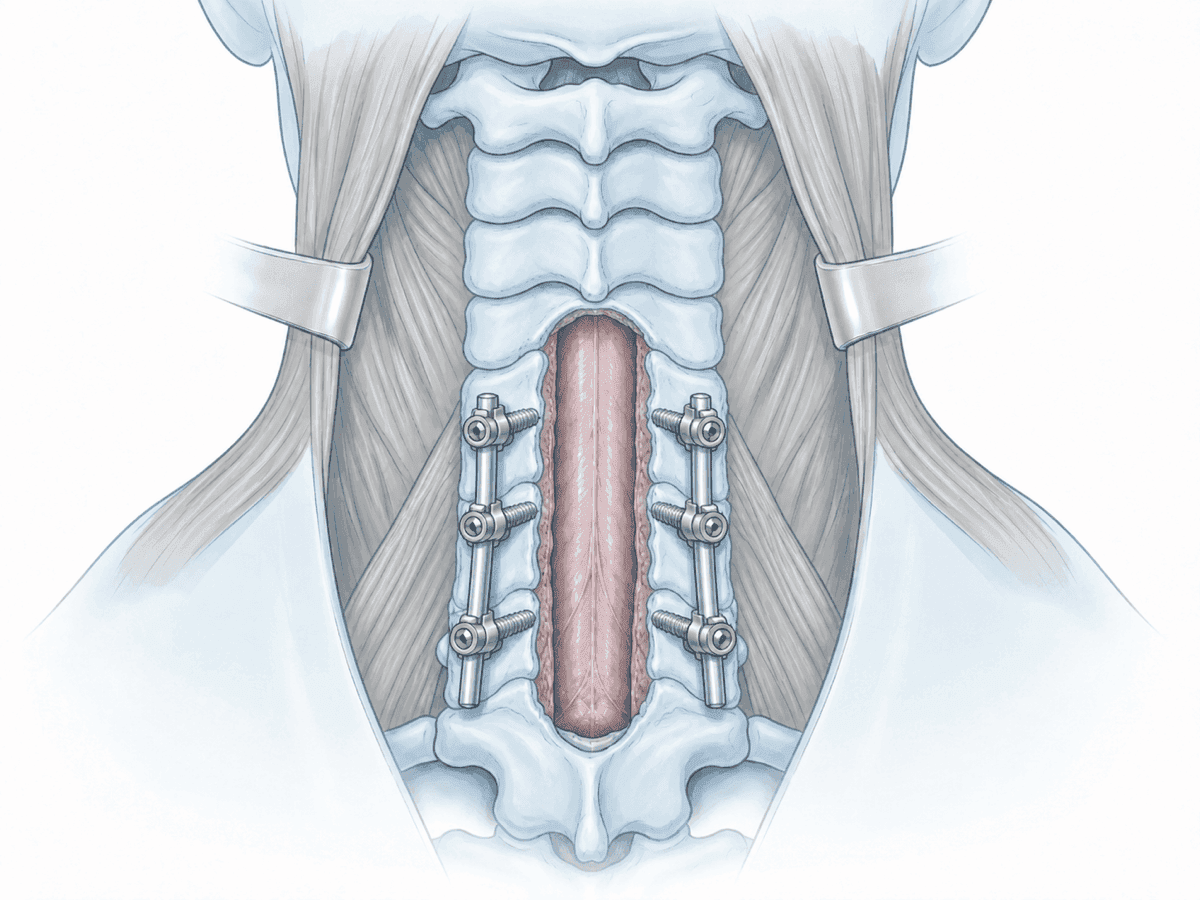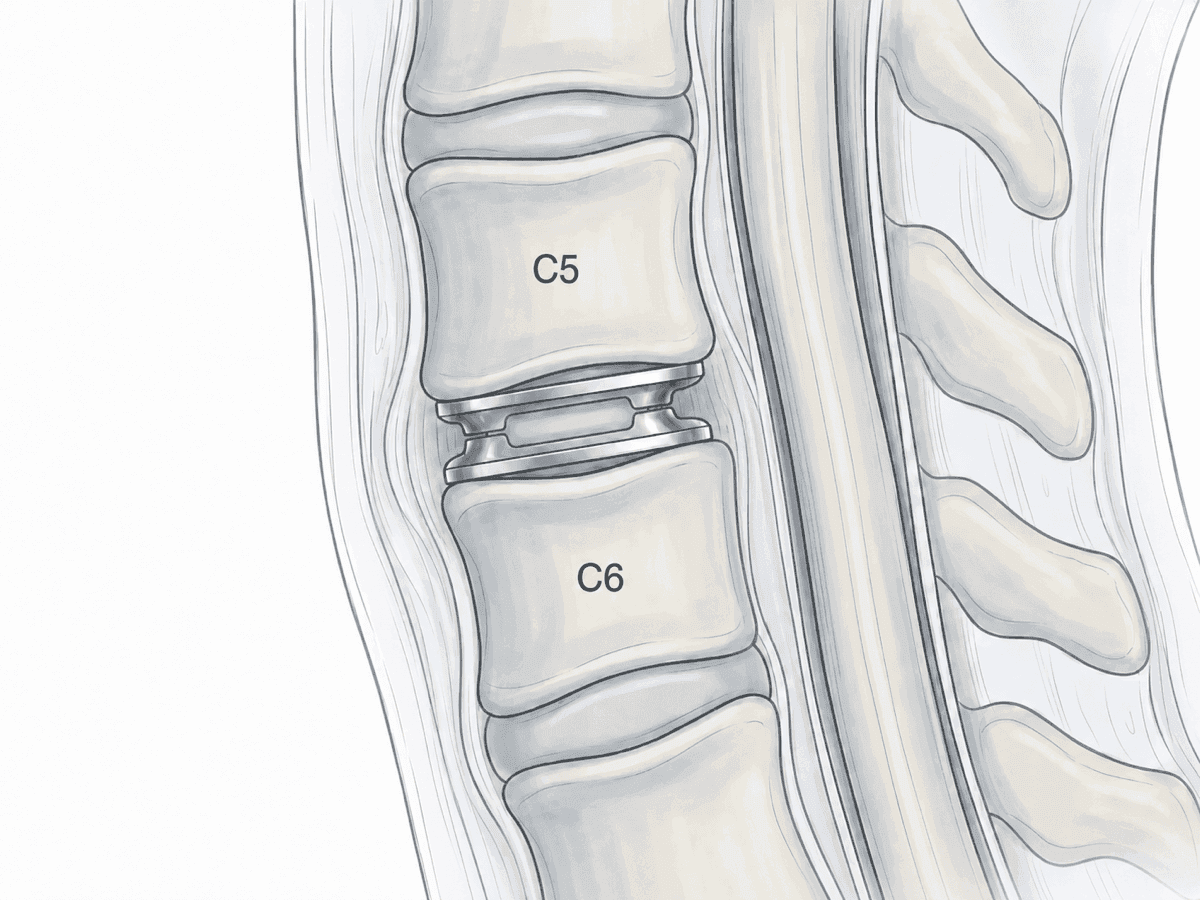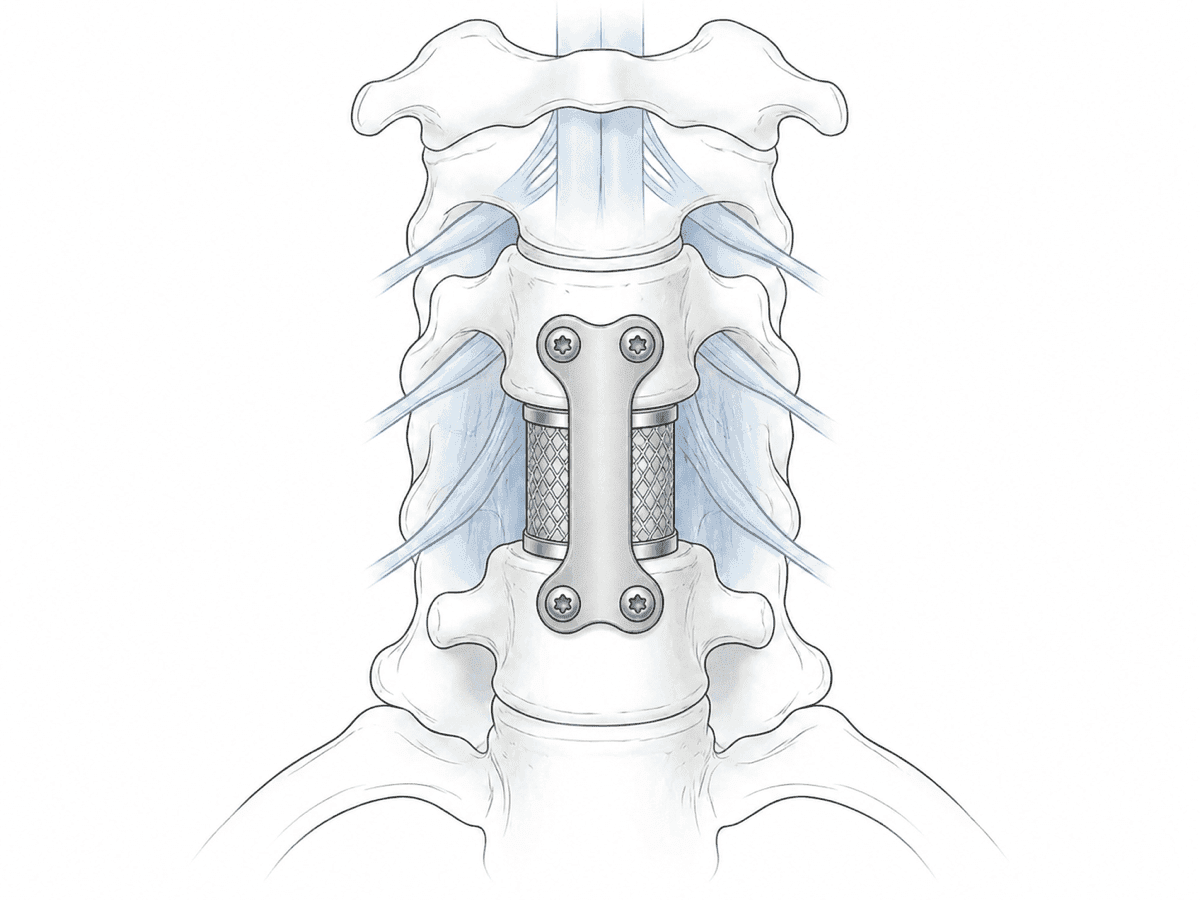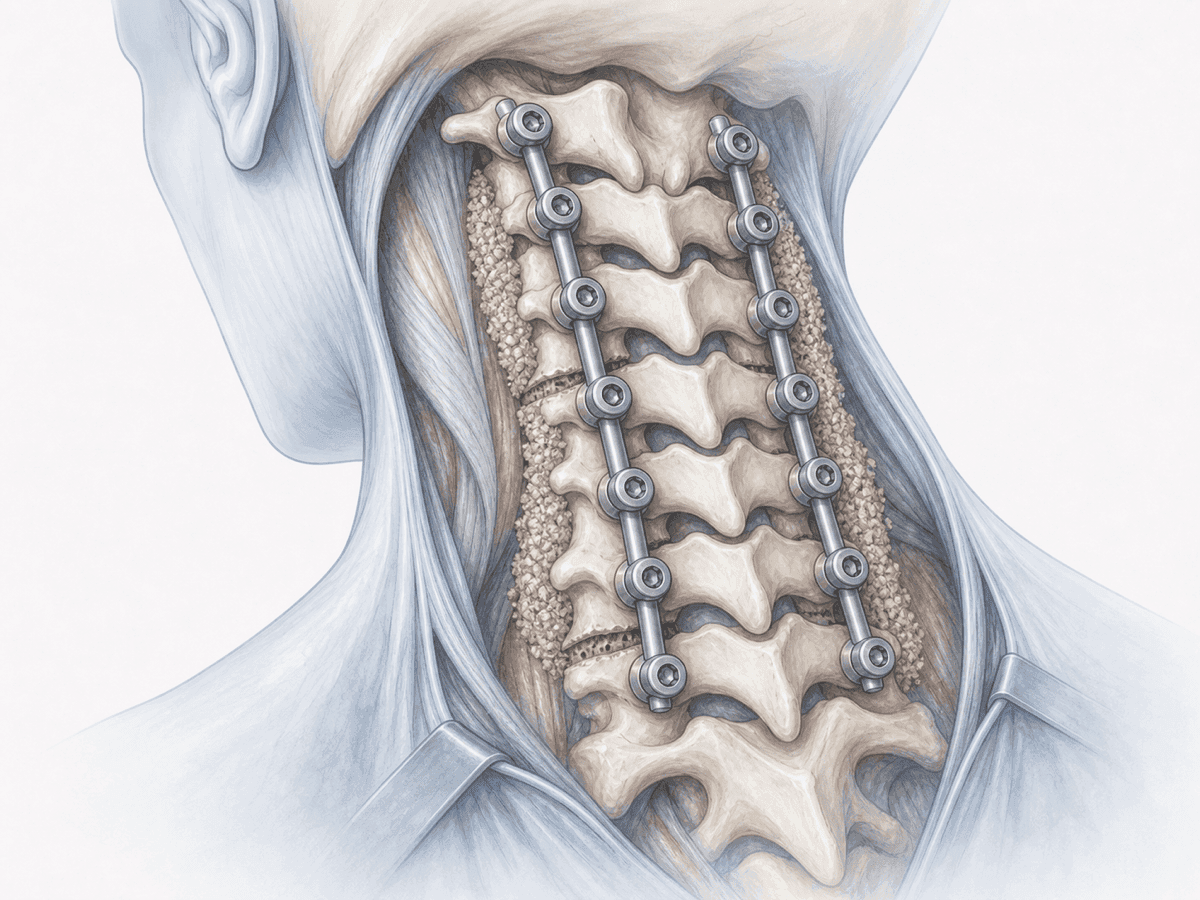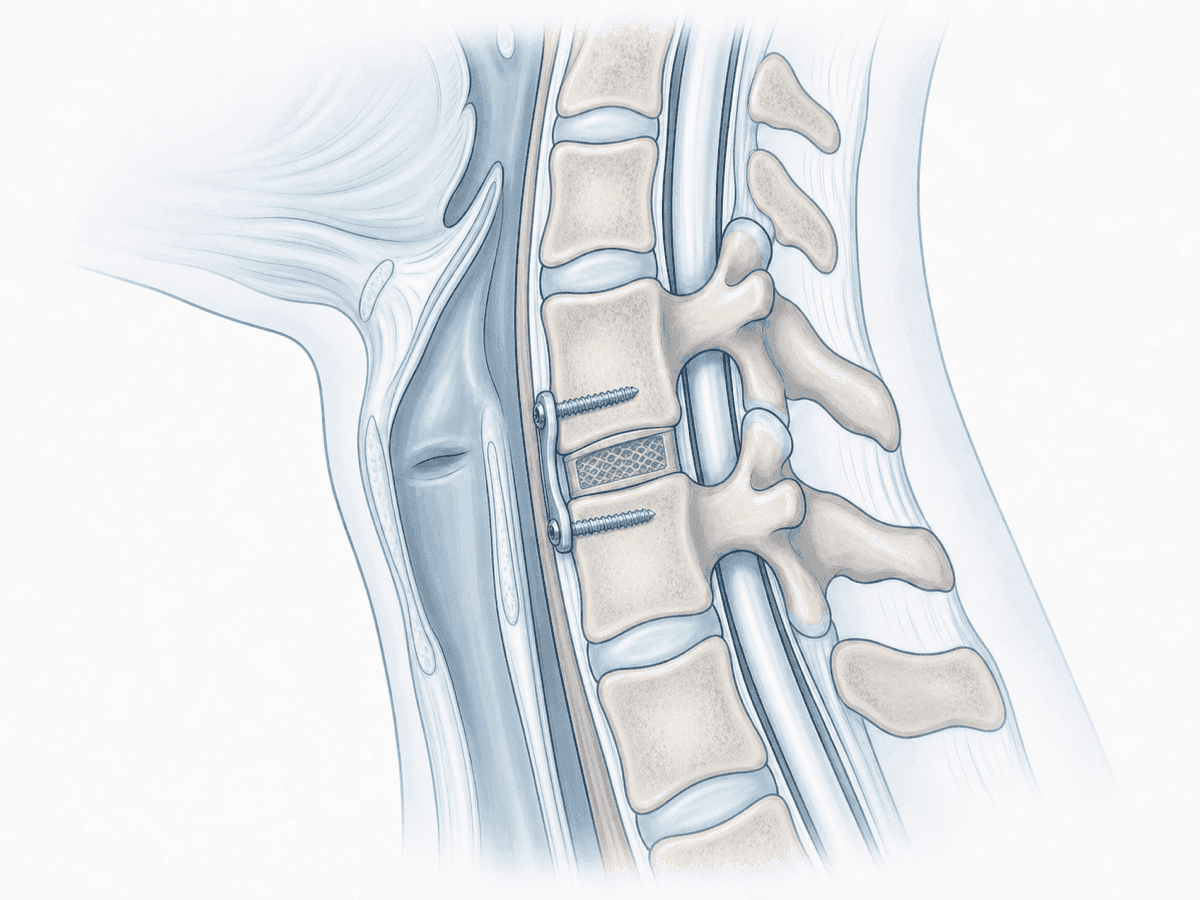
Anterior cervical fusion (interbody fusion with plate)
Anterior cervical surgery to decompress nerves and stabilise a severely degenerated or herniated disc when pain and symptoms persist despite medication, physiotherapy or injections.
Explore Dr. Karim Ben Ghezala's spine treatments. In each treatment, you will find clear information about its indication, what it involves, and what to expect from the process, with a patient-centered medical approach.

Anterior cervical surgery to decompress nerves and stabilise a severely degenerated or herniated disc when pain and symptoms persist despite medication, physiotherapy or injections.

Posterior cervical surgery with screws and rods to decompress and stabilise the spine in patients with pain, instability or cord compression not improved by conservative care.

Surgery that replaces a damaged cervical disc with a mobile prosthesis to relieve nerve compression and preserve motion when conservative care is no longer enough.

Surgery to widely decompress the cervical spinal cord and nerve roots by removing one or more vertebral bodies when pain, stiffness and neurological symptoms persist despite conservative care.

Cervical realignment surgery to correct kyphosis: combines osteotomies, decompression and instrumentation to restore sagittal balance and relieve symptoms.

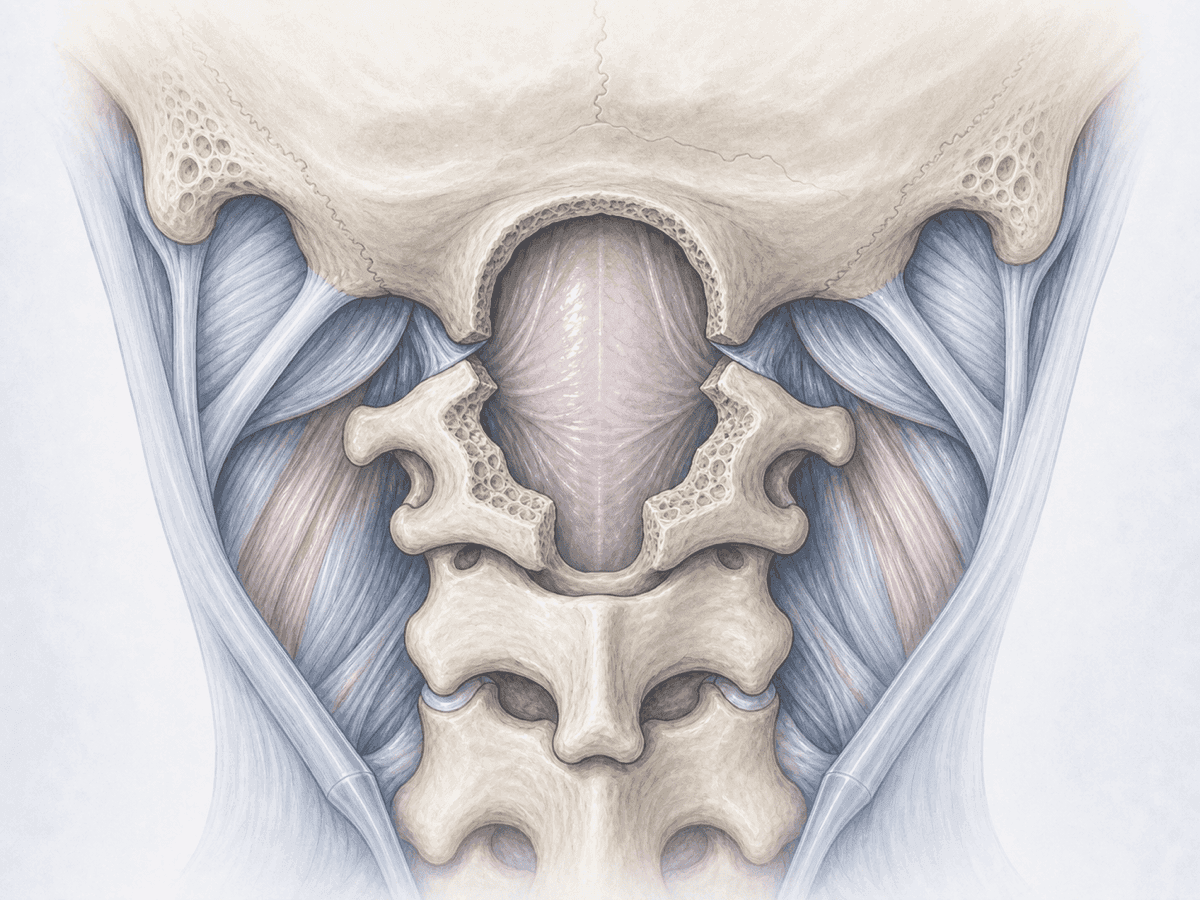
Surgery that enlarges the posterior fossa and frees the craniocervical junction to relieve cough headache and neurological symptoms in Chiari I.

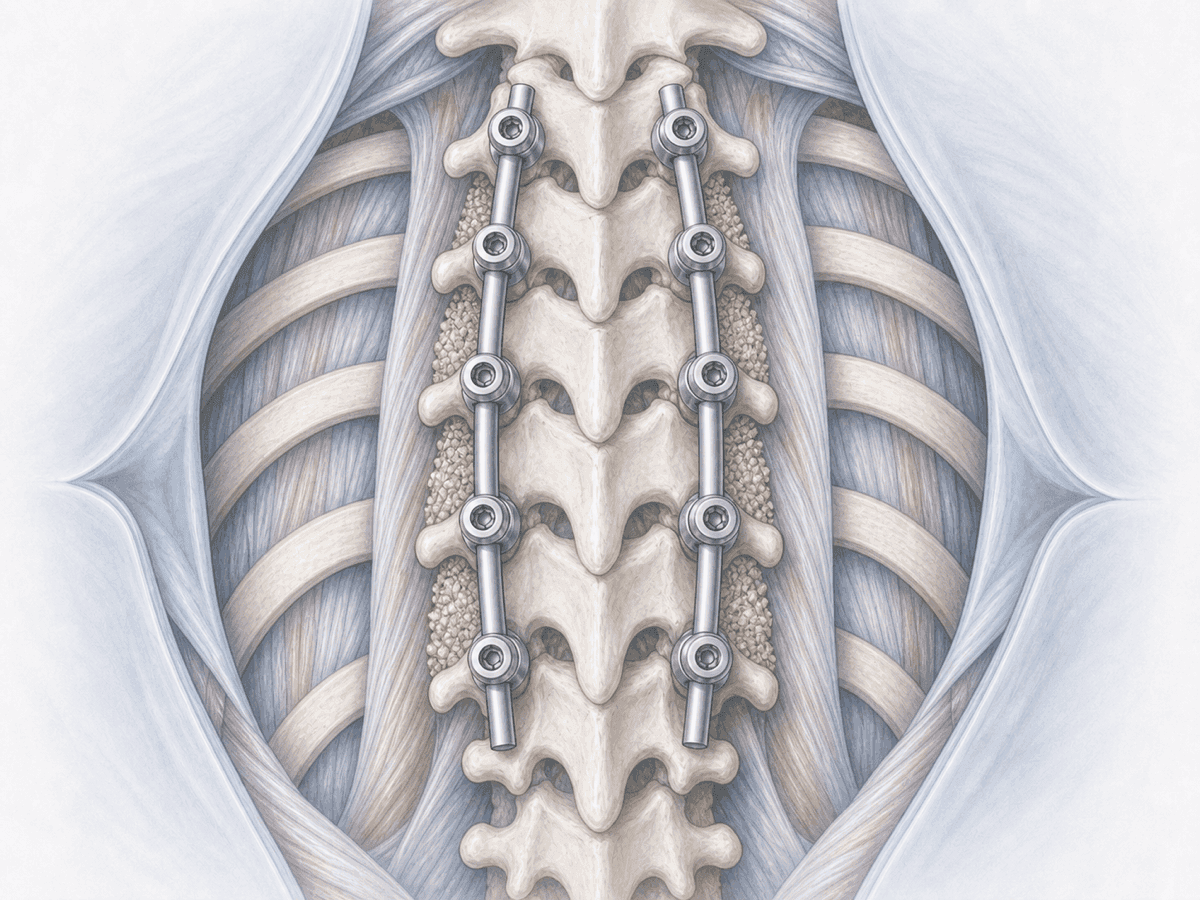
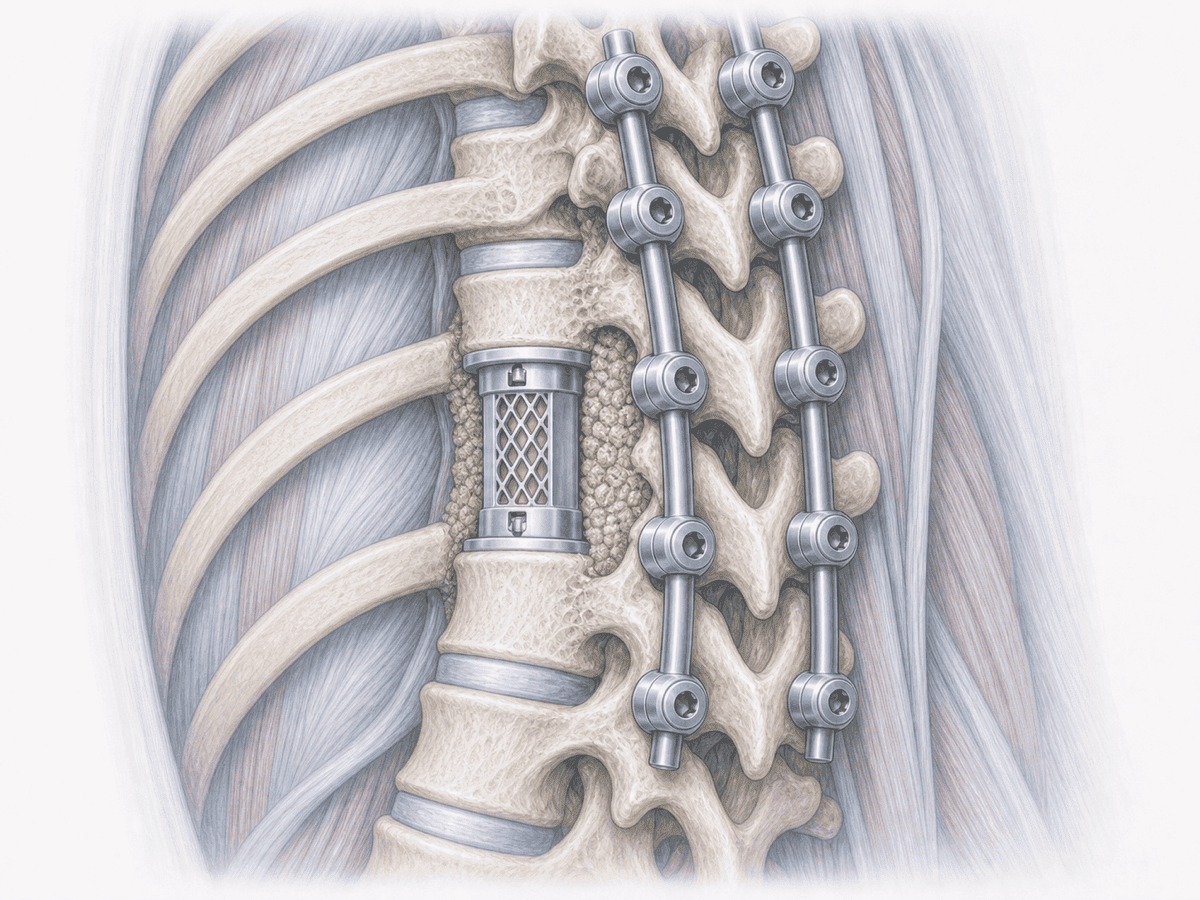
Posterior thoracic spine surgery that stabilises one or several levels with pedicle screws and rods to treat fractures, deformity, tumours or instability.

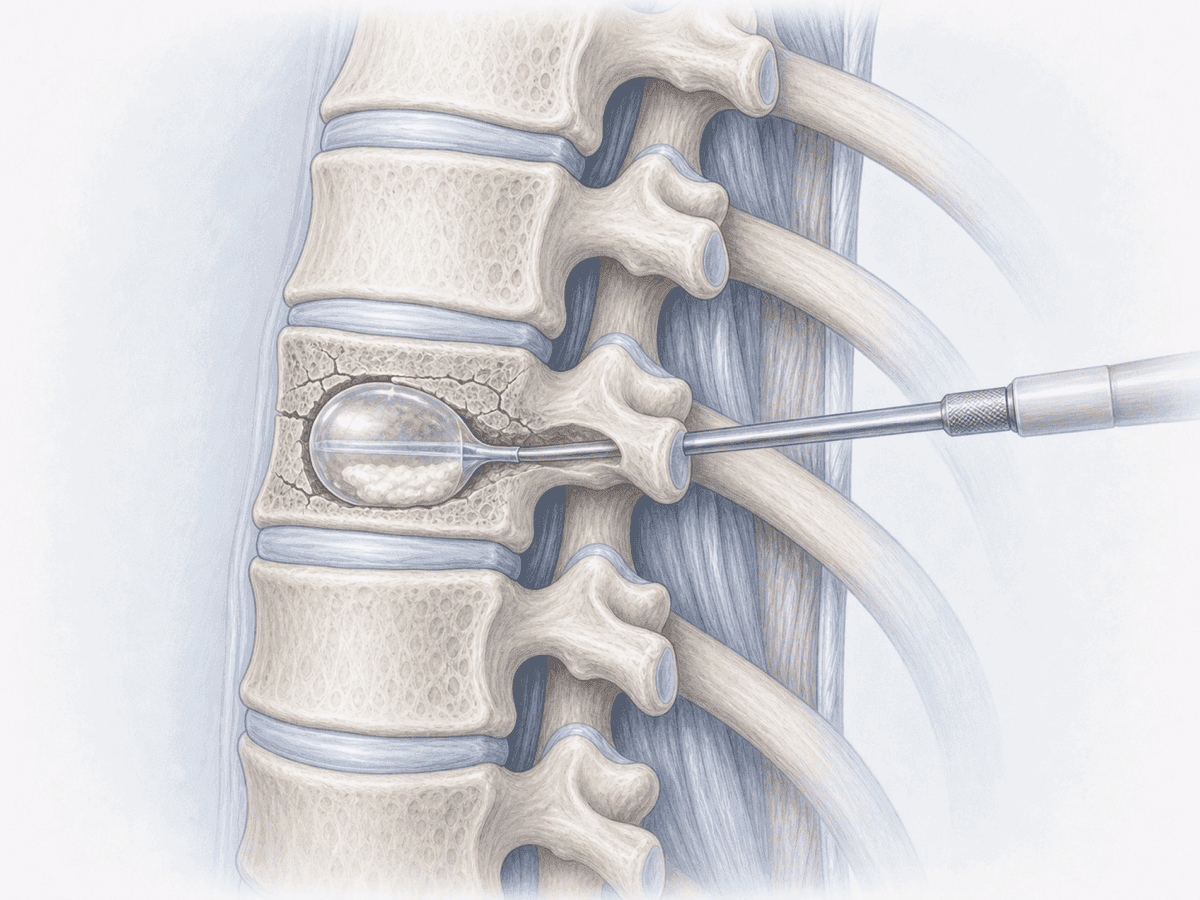
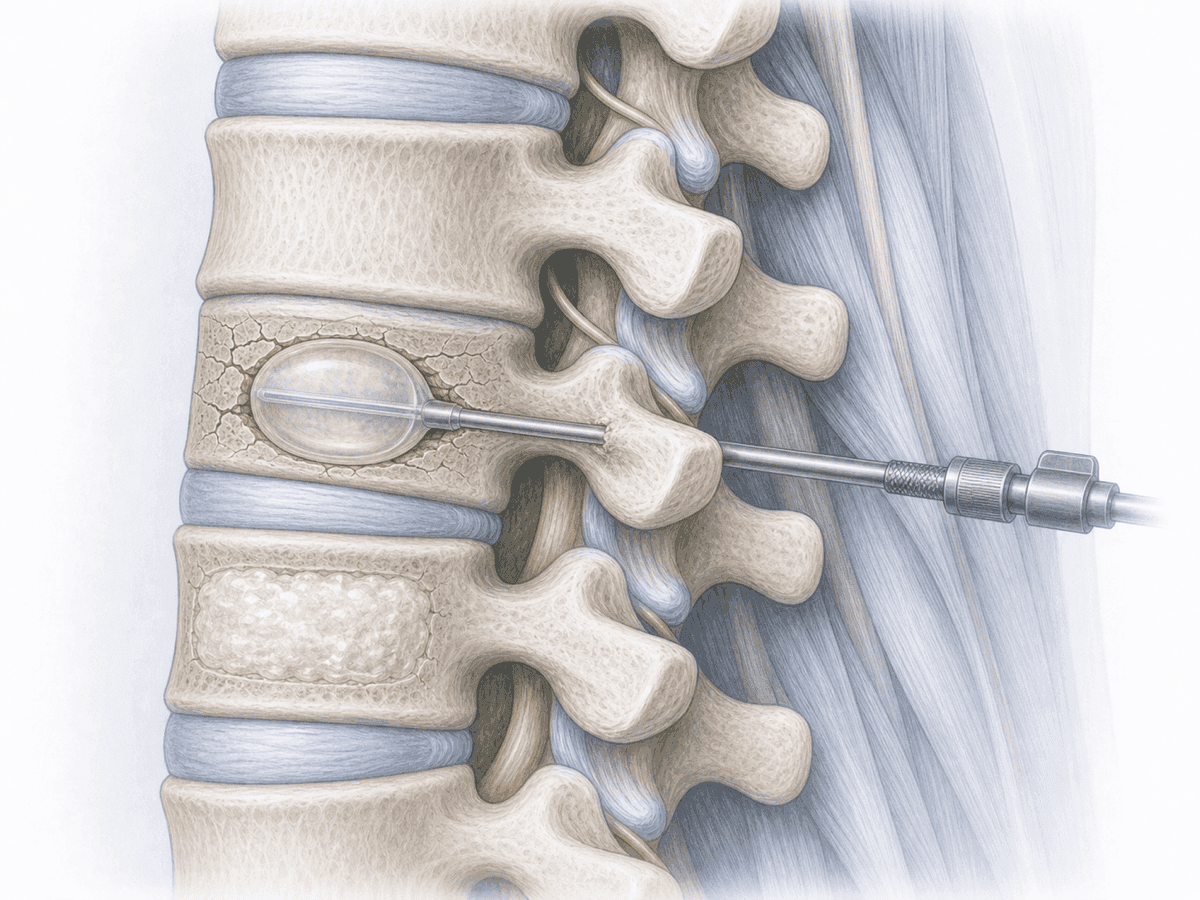
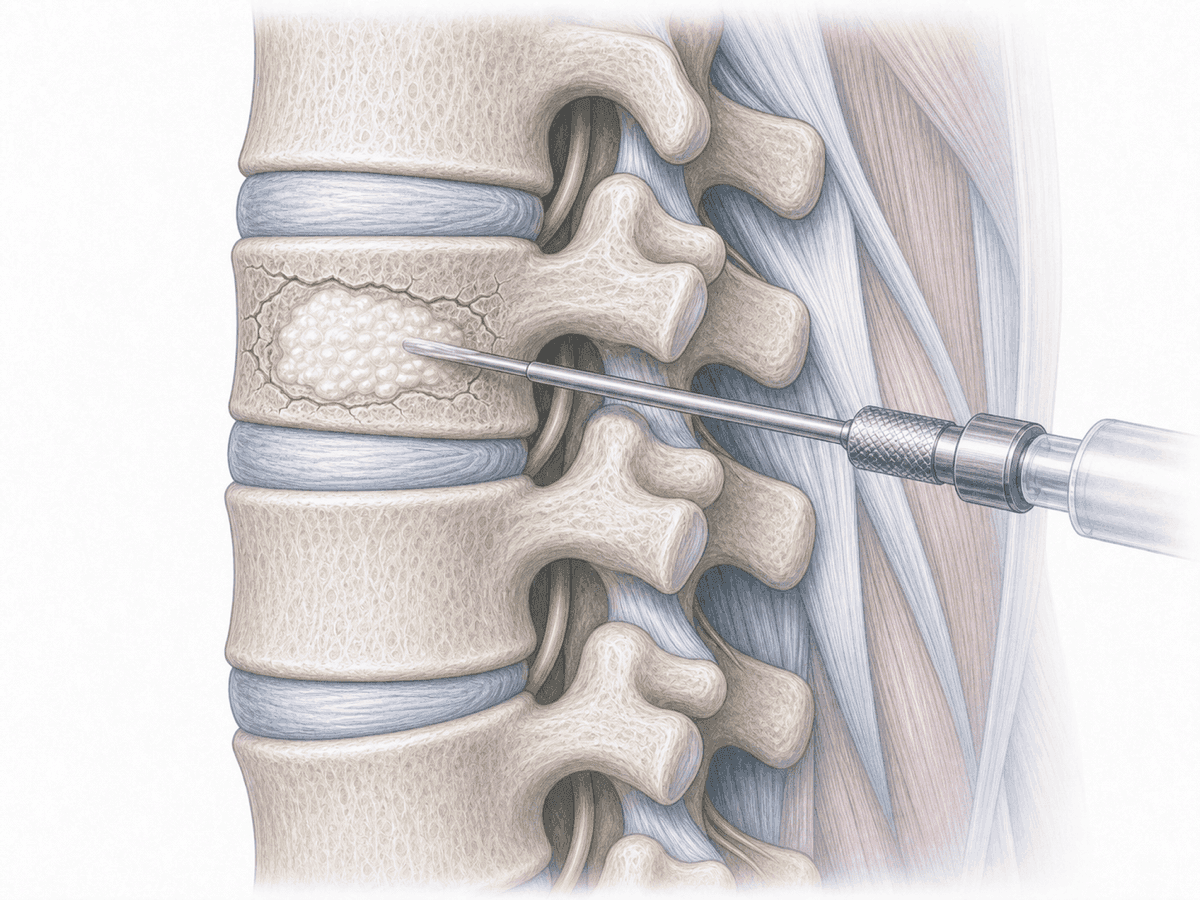
Minimally invasive procedure that restores vertebral body height and stabilises the fracture using an inflatable balloon and bone cement, with rapid pain relief.

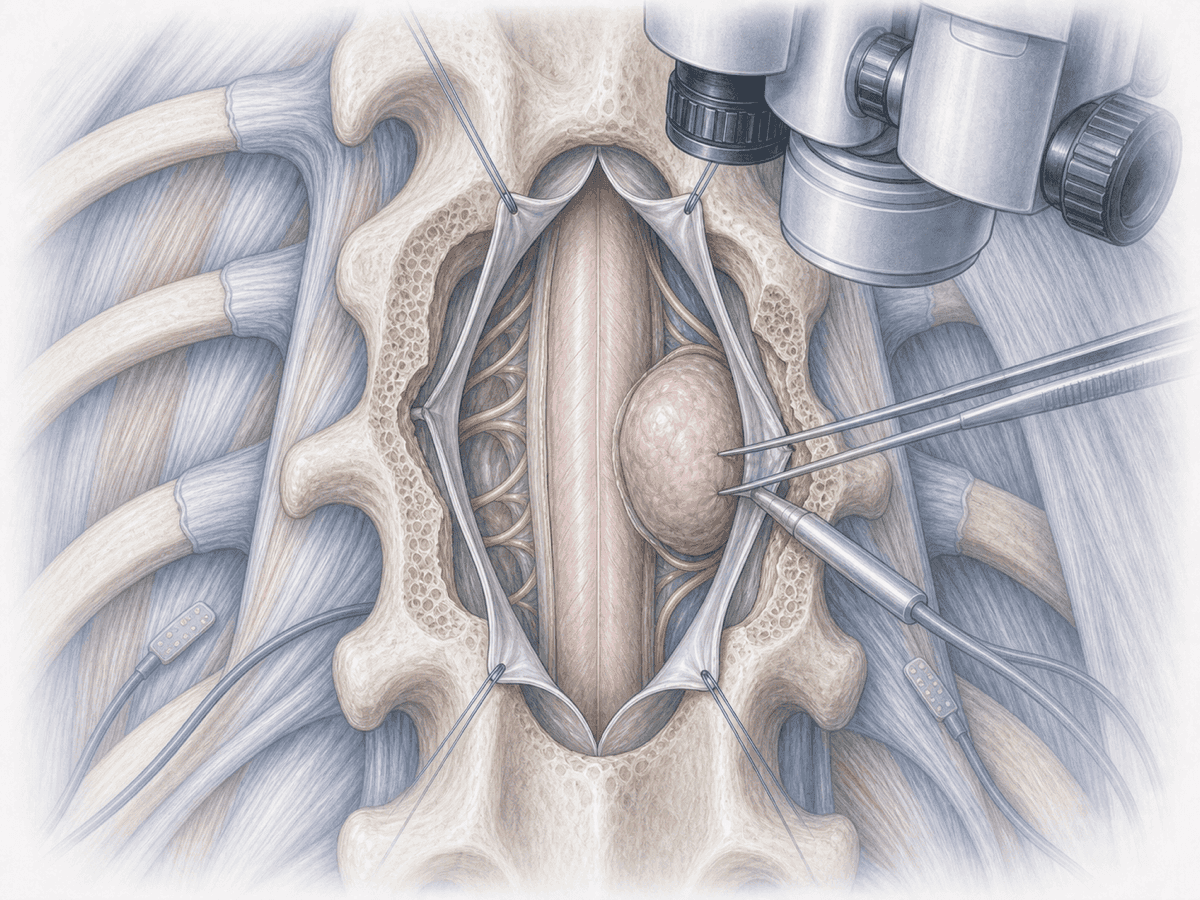
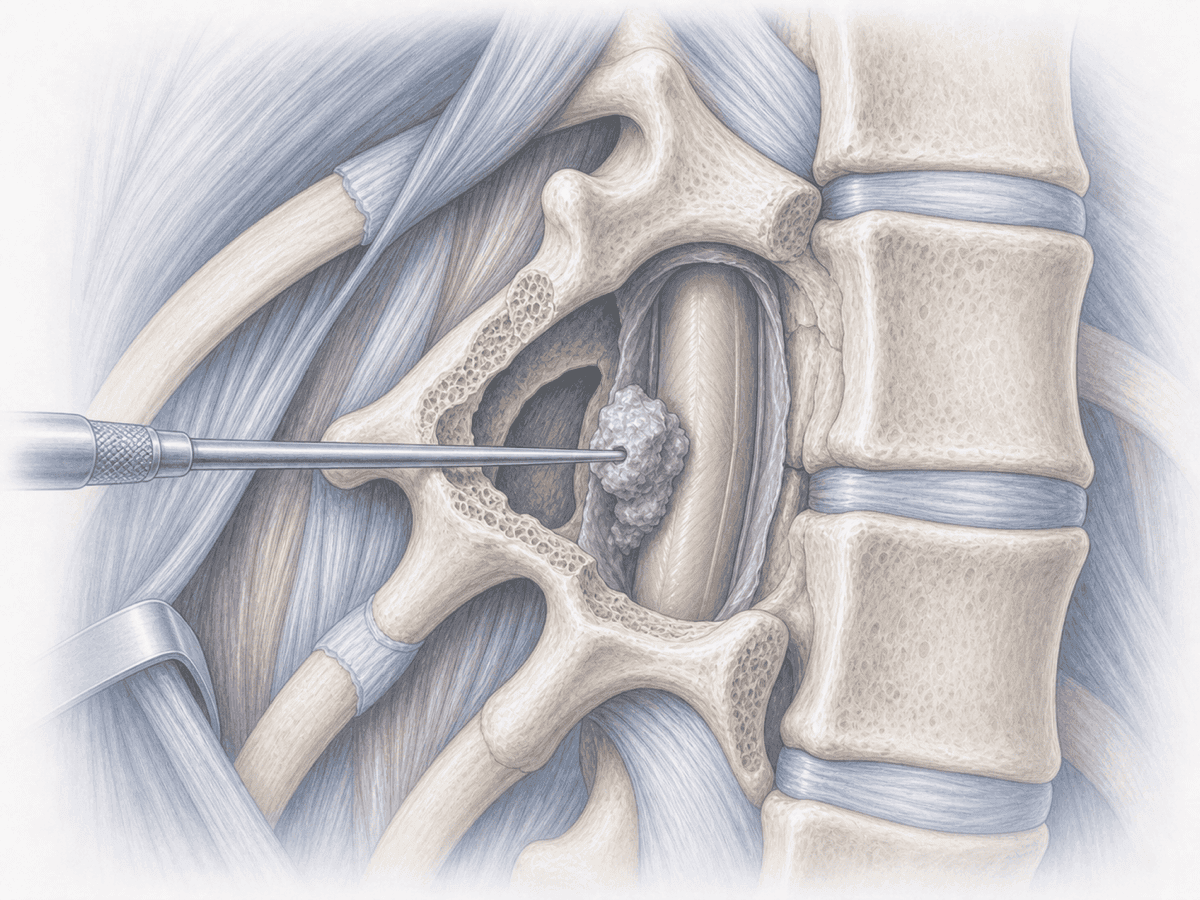
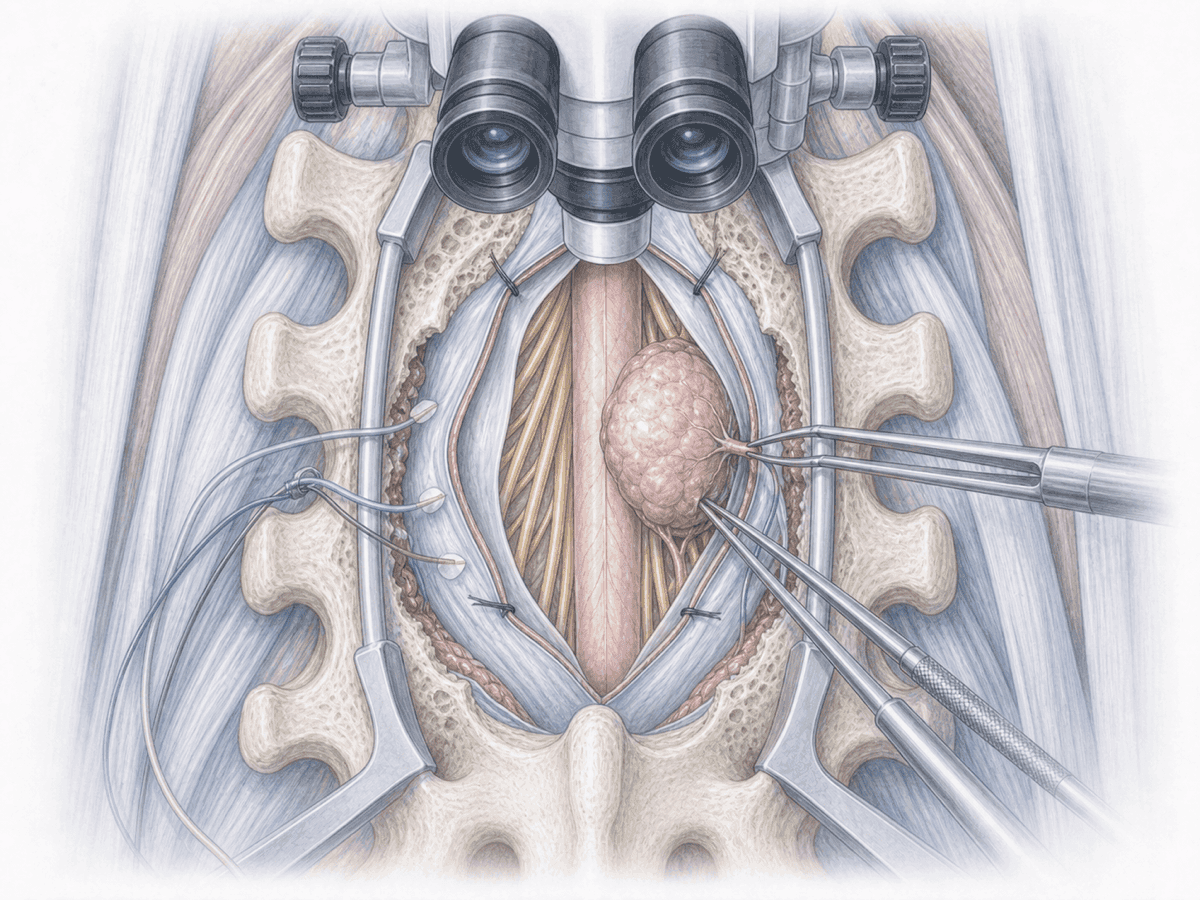
Microsurgical resection of intradural tumours in the thoracic spine with spinal cord neuromonitoring to preserve neurological function.

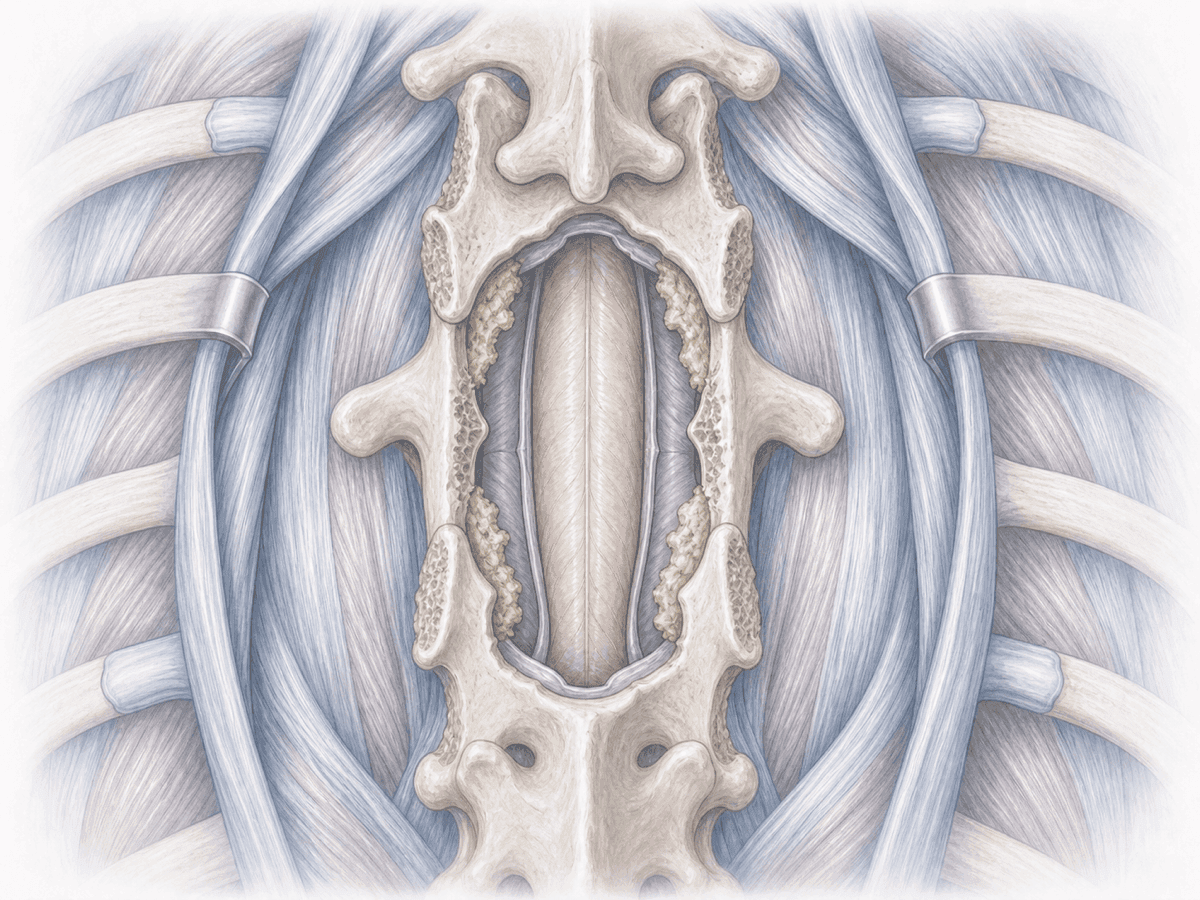
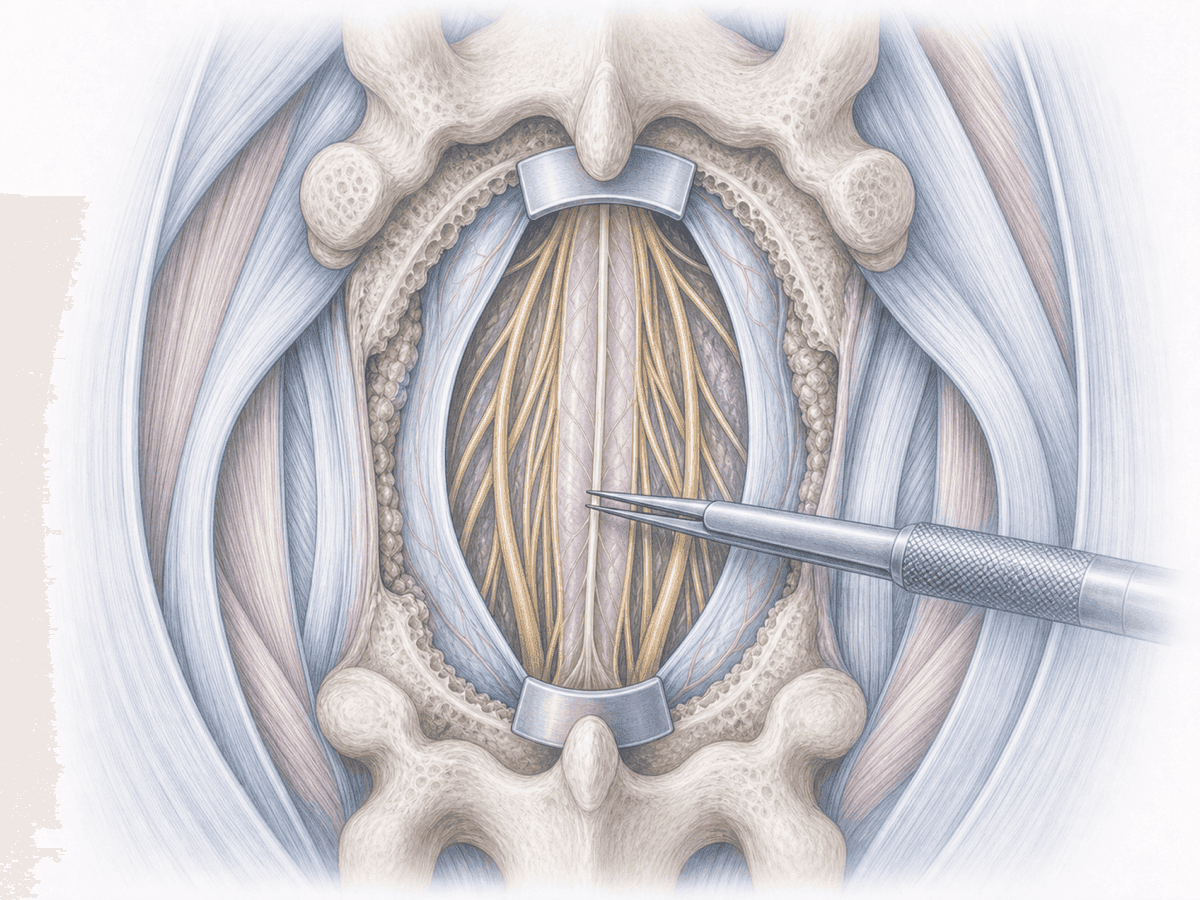
Decompressive surgery for thoracic spinal canal stenosis, usually caused by hypertrophy or ossification of the ligamentum flavum, to halt myelopathy and improve gait.

Surgery to remove a symptomatic thoracic disc herniation using a posterolateral or anterior approach, avoiding spinal cord manipulation and preserving stability.

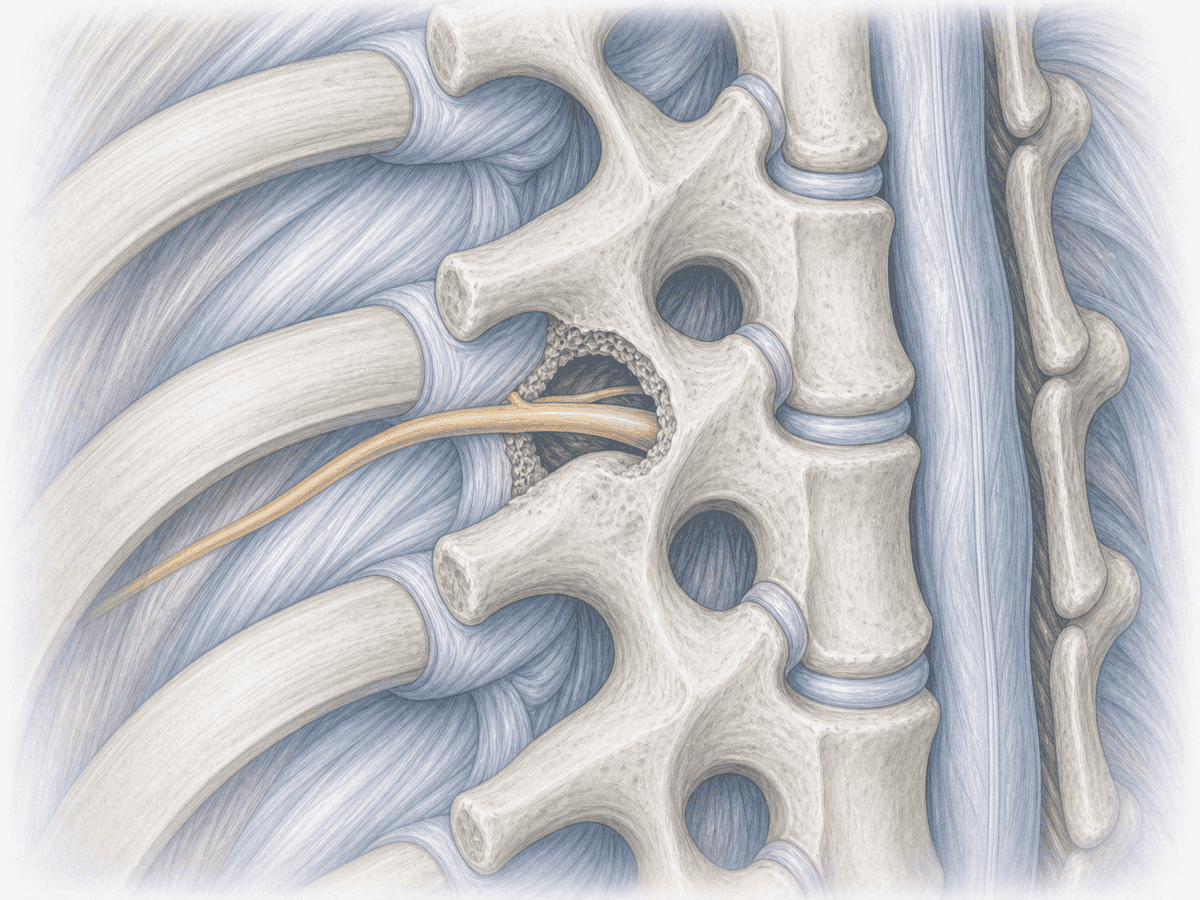
Focused surgery that widens the thoracic foramen to release a compressed intercostal nerve root when band-like chest pain does not improve with conservative care.

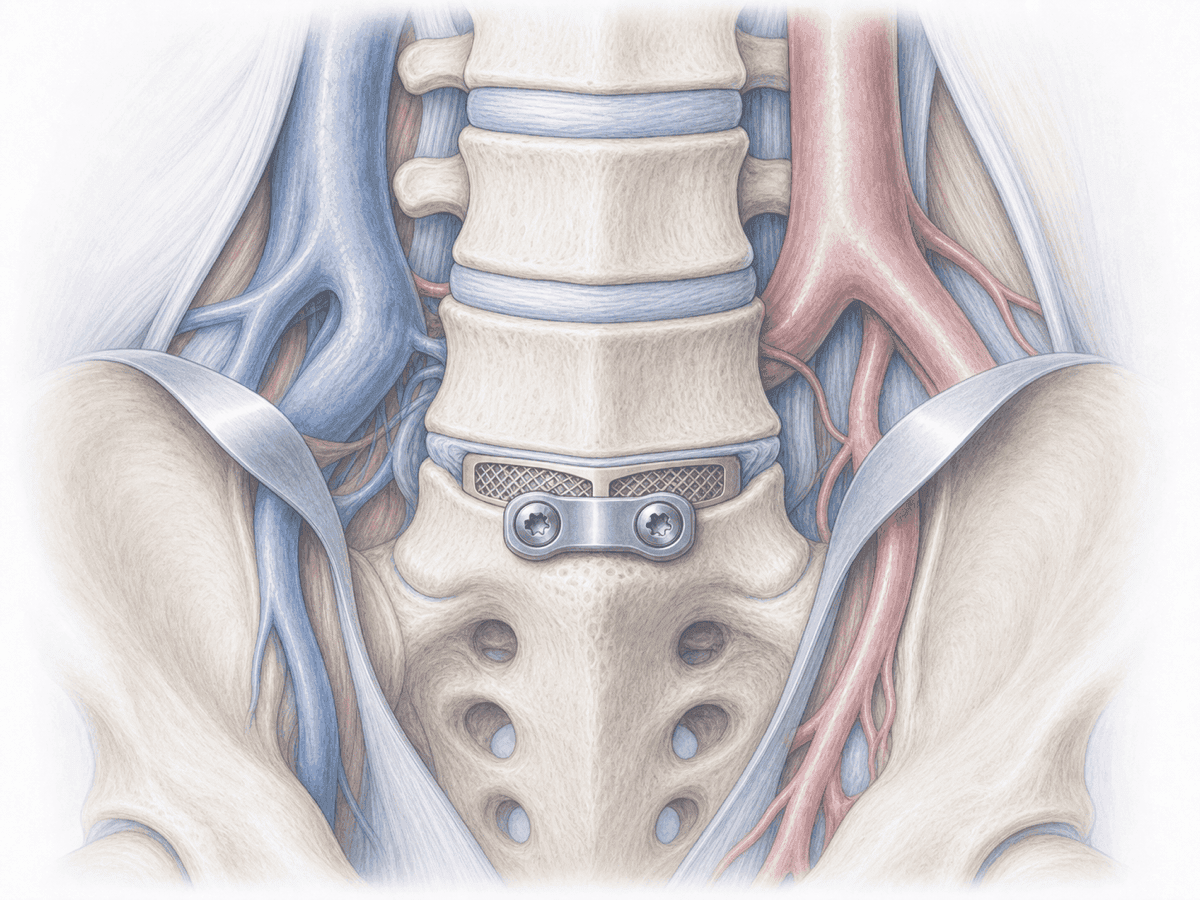
Lumbar fusion performed through the abdomen, in collaboration with a vascular surgeon, allowing indirect decompression, restoration of disc height and lordosis and segmental stabilisation, particularly at L5-S1.

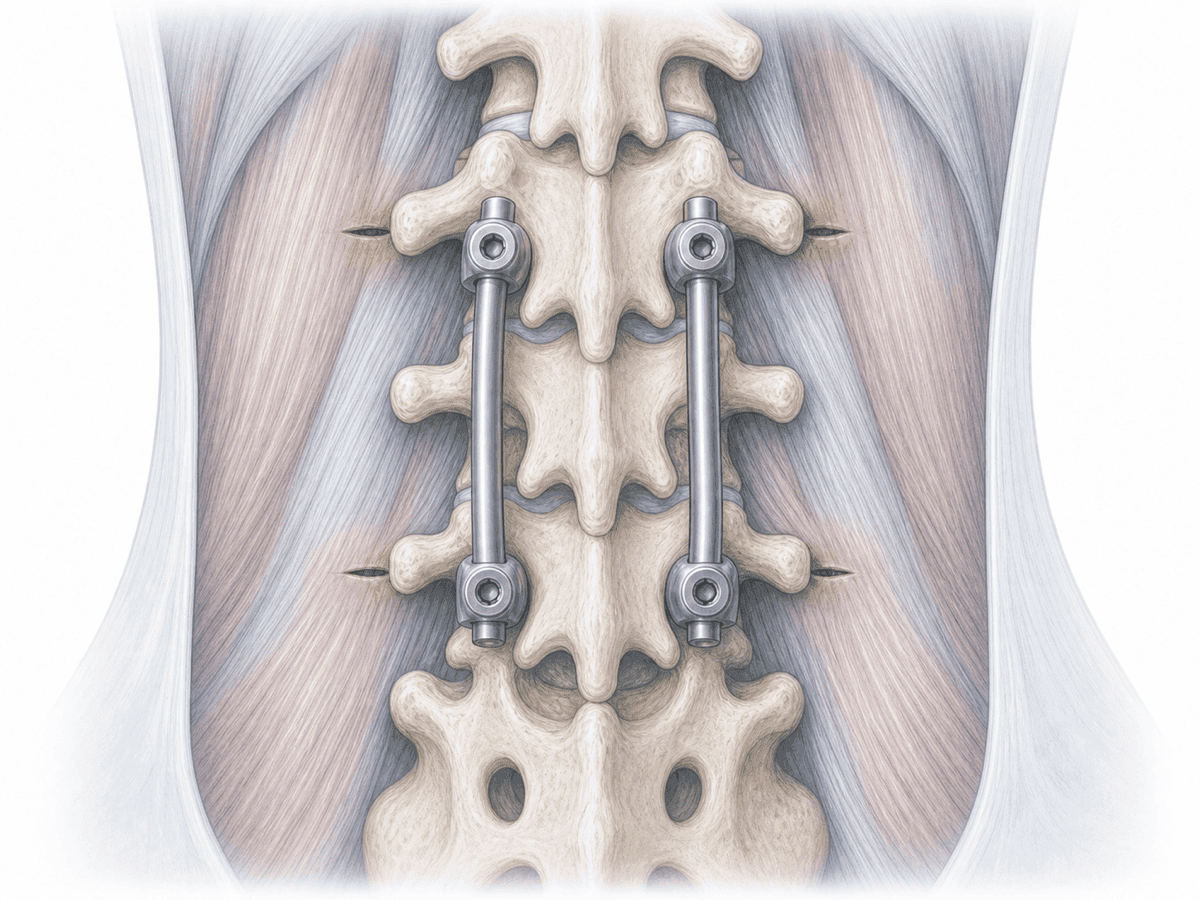
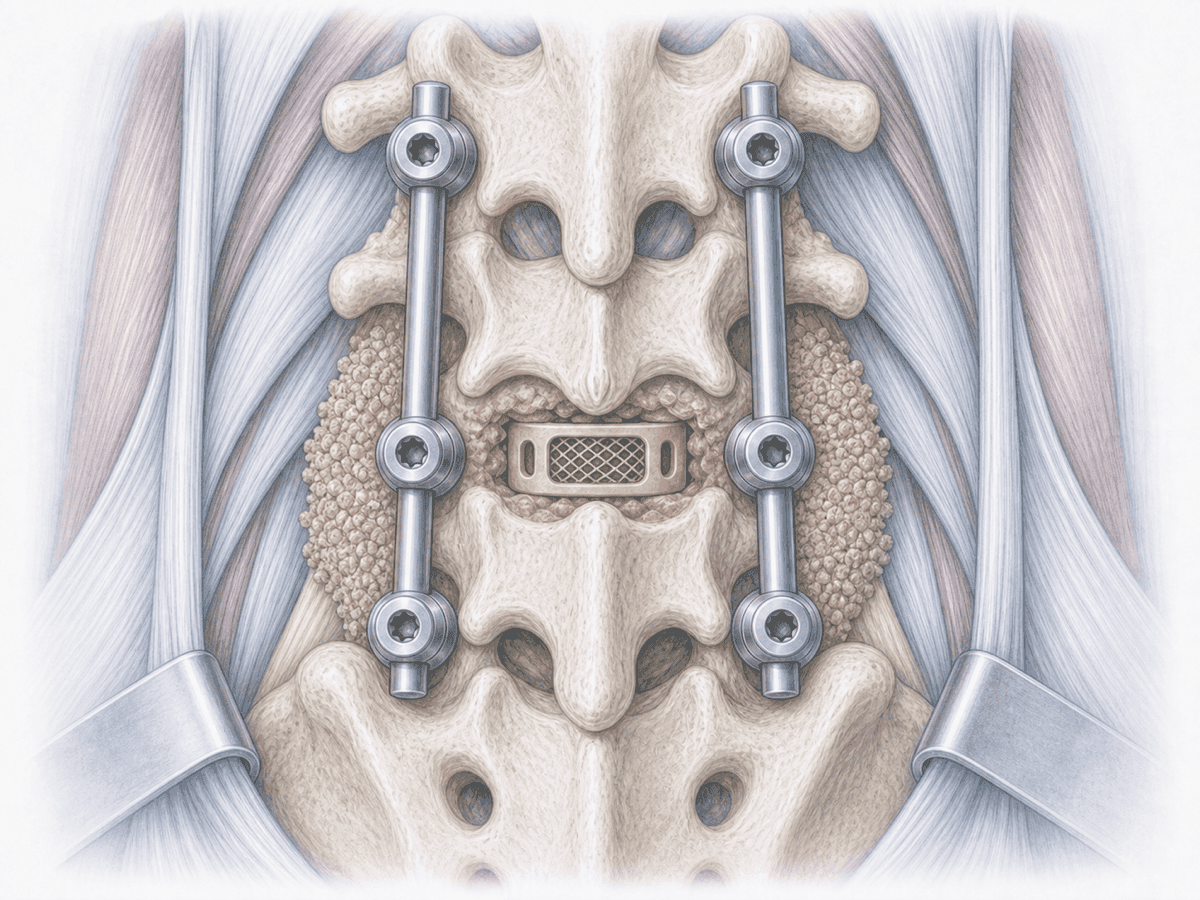
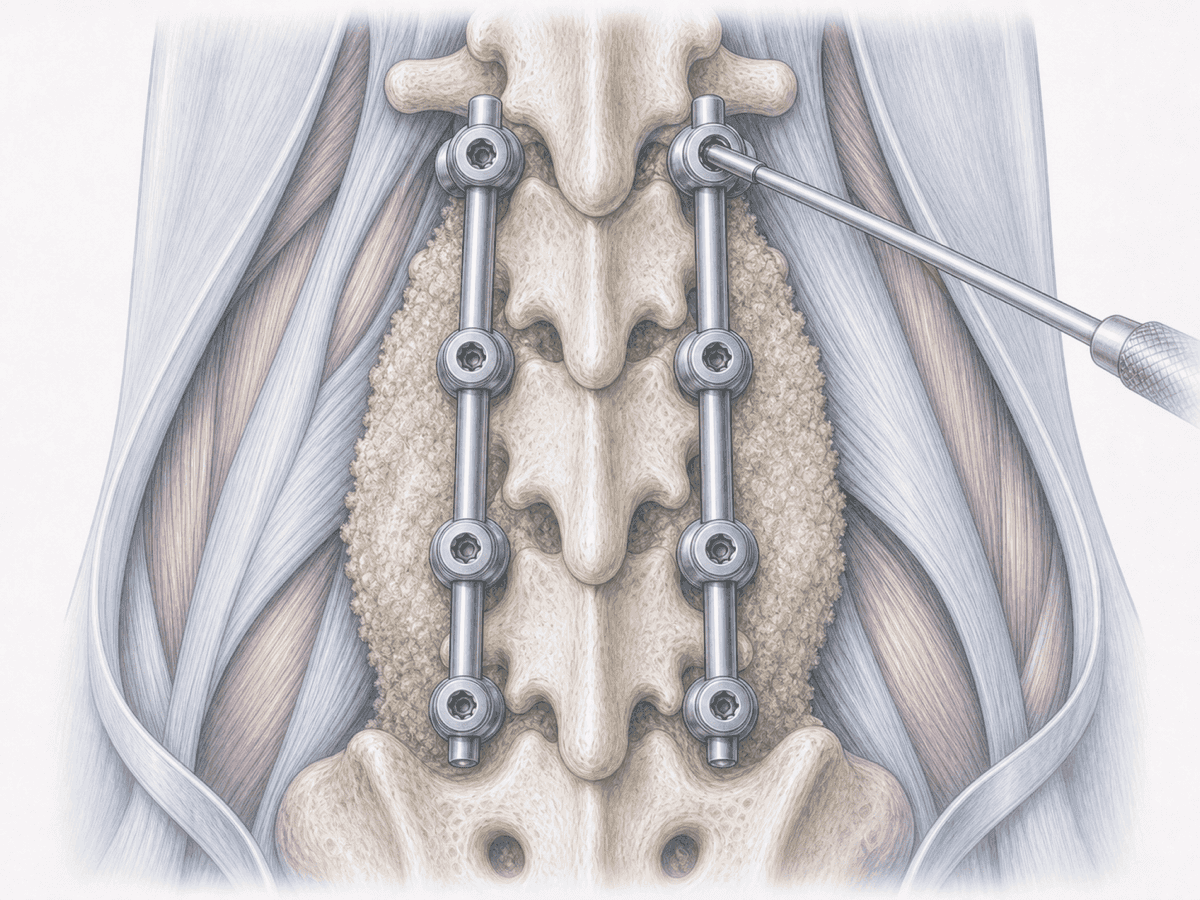
Lumbar fusion performed through small incisions with image-guided percutaneous pedicular screws, offering less blood loss and a faster recovery than open surgery.

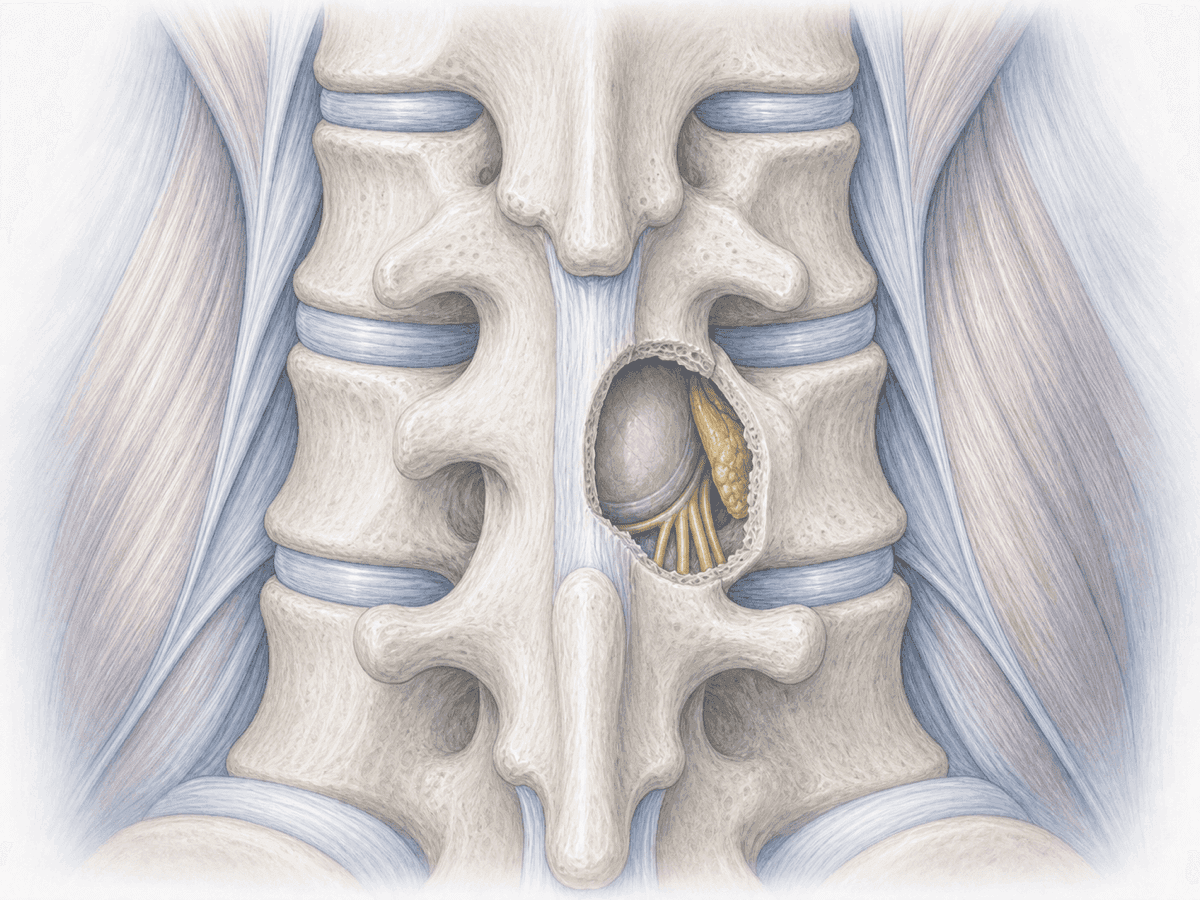
Lumbar microsurgery that frees the entrapped nerve root in the lateral recess while preserving the facet joint, relieving radicular pain and neurogenic claudication.

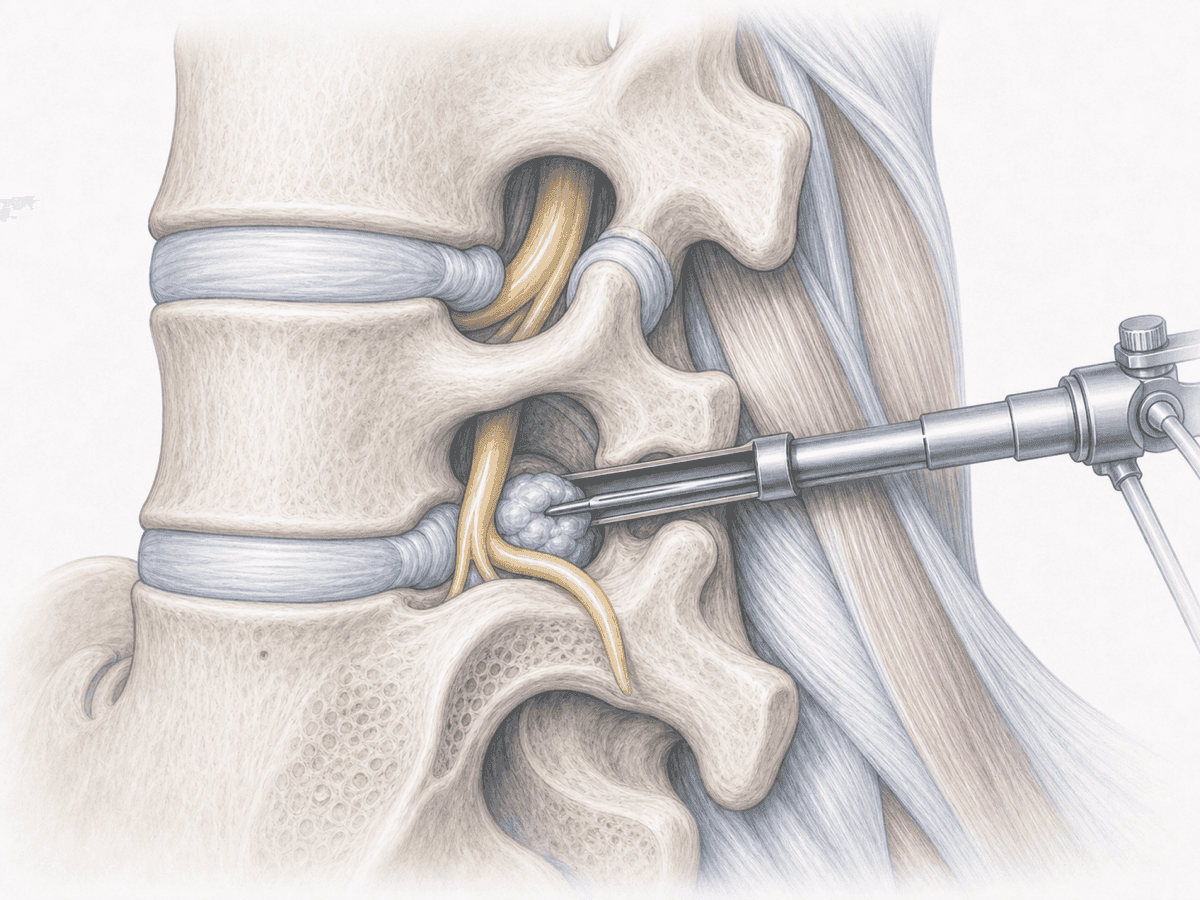
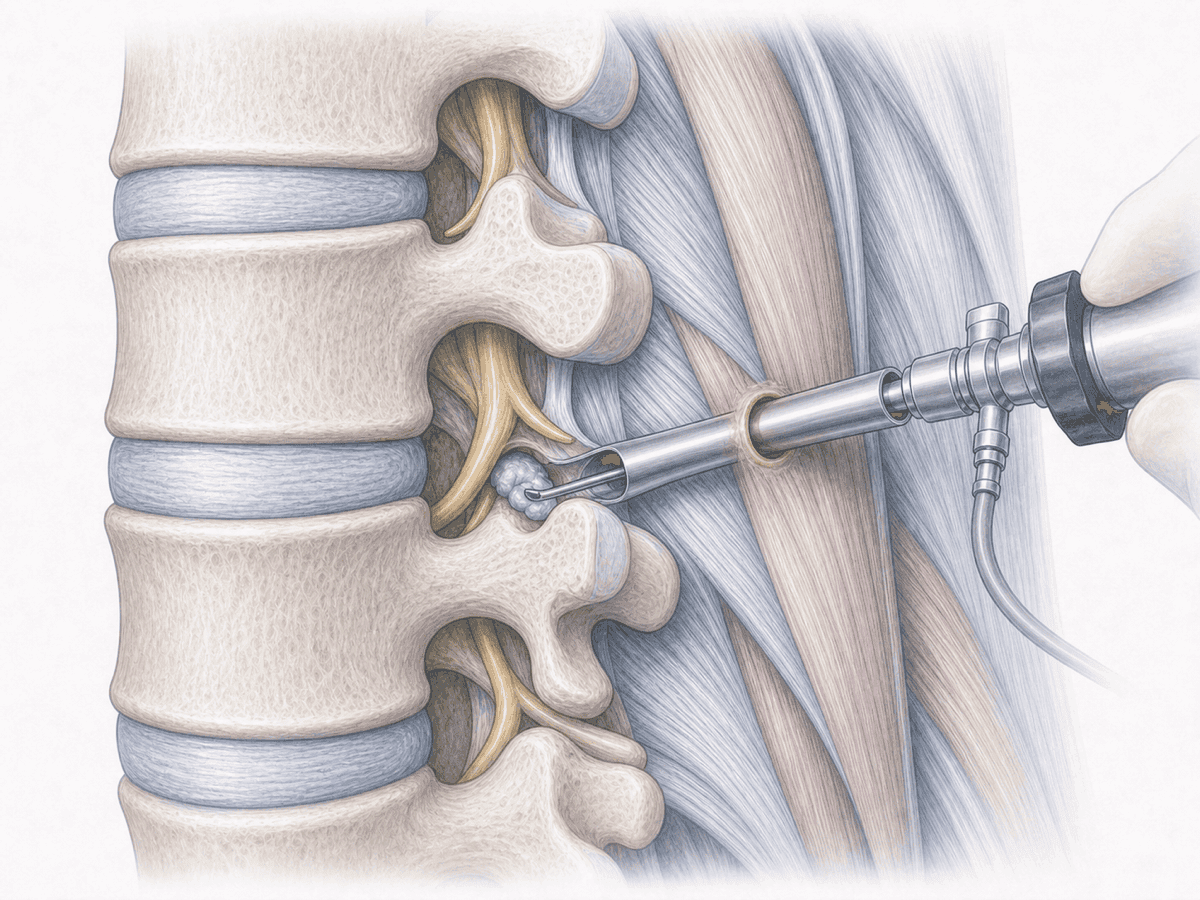
Minimally invasive surgery that removes a lumbar disc herniation through a 7-8 mm incision with an endoscope, under local anaesthesia or sedation, with same-day discharge.

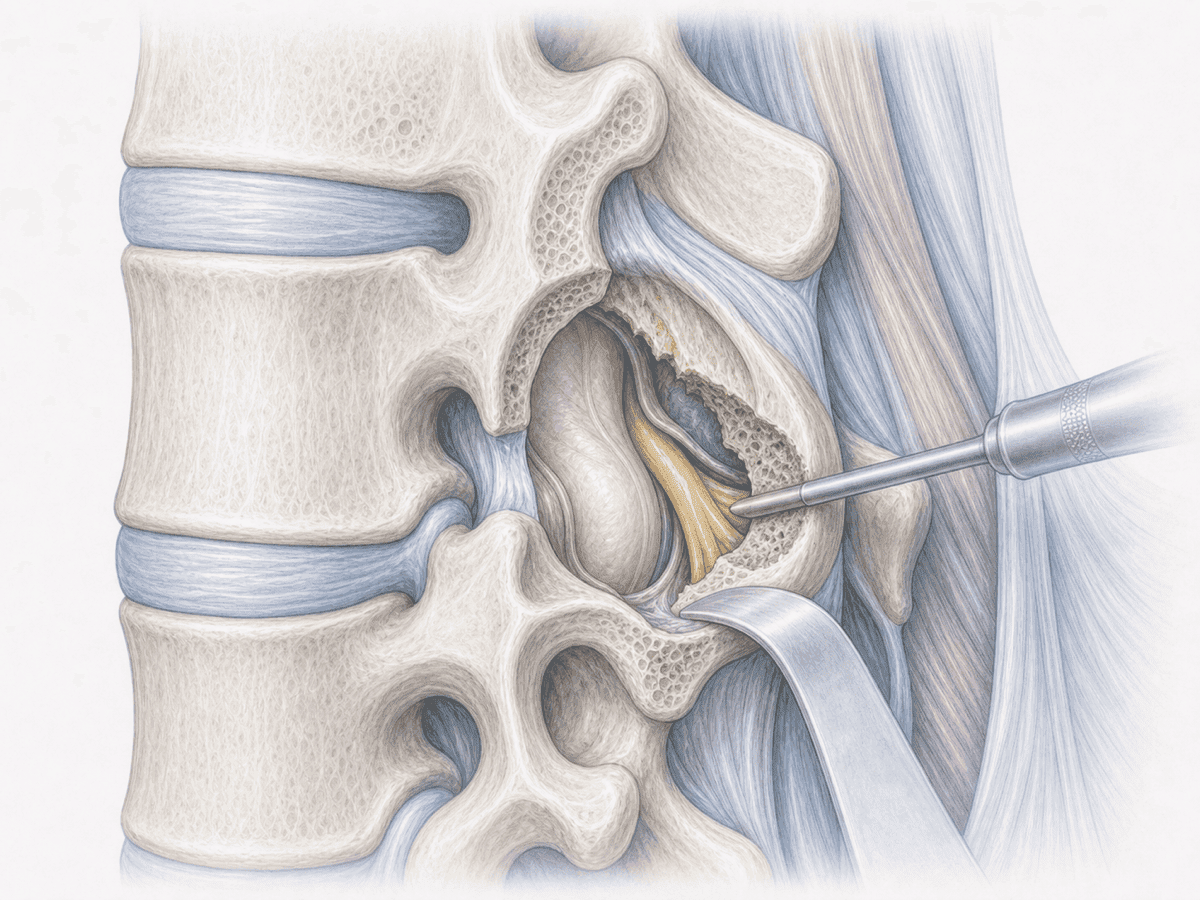
Minimally invasive lumbar surgery that widens the intervertebral foramen to free a compressed nerve root, preserving the facet joint and avoiding fusion.

A limited lumbar decompression that opens part of the lamina while preserving the spinous process and midline ligaments to relieve canal stenosis without the need for fusion.

Minimally invasive technique that restores the height of a collapsed vertebral body and stabilises the fracture with a balloon and bone cement, applicable to any thoracic or lumbar level.

Spine surgery to treat spondylodiscitis (infection of the disc and vertebral bodies) when antibiotics are not enough, or when neurological deficit, instability or an epidural abscess compressing the spinal cord or nerve roots is present.

Microsurgical removal of intradural extramedullary and intramedullary tumours with neuromonitoring to resect the lesion while preserving the spinal cord and nerve roots.

Surgery aimed at resecting benign or malignant primary bone tumours of the vertebra, with reconstruction and stabilisation as part of an individualised multidisciplinary plan.

Surgery that releases a tethered cord by cutting a tight or thickened filum terminale to halt neurological progression, low back pain and bowel or bladder symptoms.

Percutaneous injection of bone cement (PMMA) into a fractured vertebra, lumbar or thoracic, to stabilise it and relieve pain quickly.

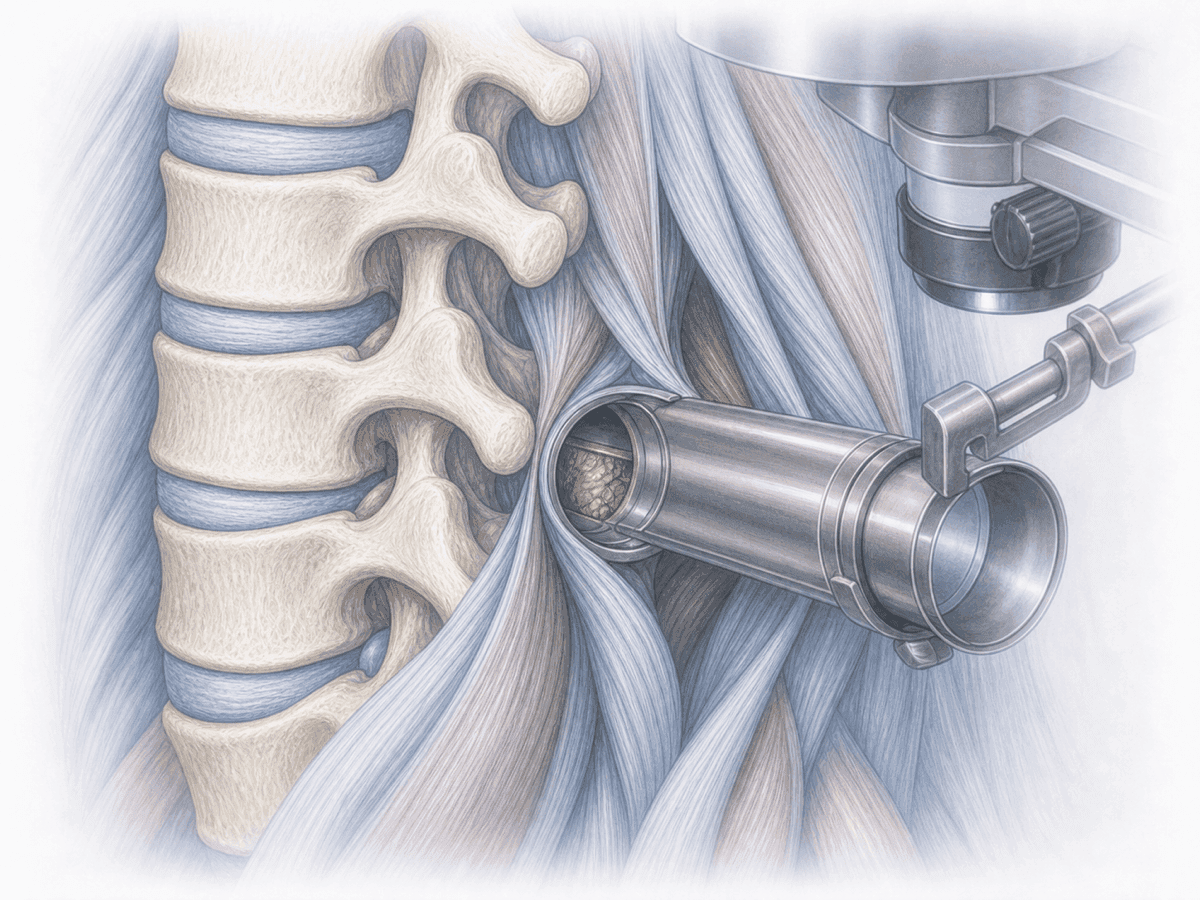
Cross-cutting technique that lets us operate on the spine through small tubular retractors, sparing muscle and soft tissue for a faster recovery.

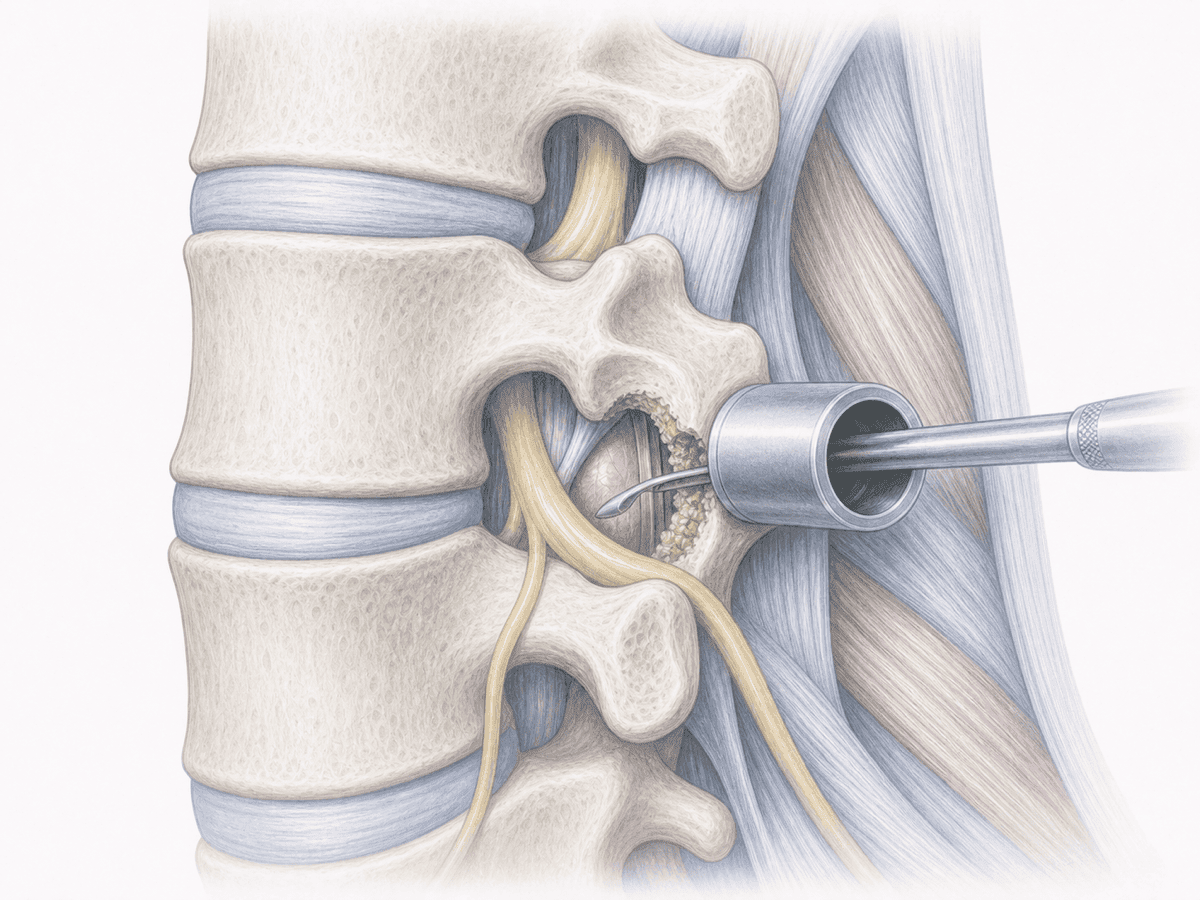
Minimally invasive technique using a working-channel spinal endoscope to decompress nerve roots through a 7-8 mm incision, often under local anaesthesia and with same-day discharge.

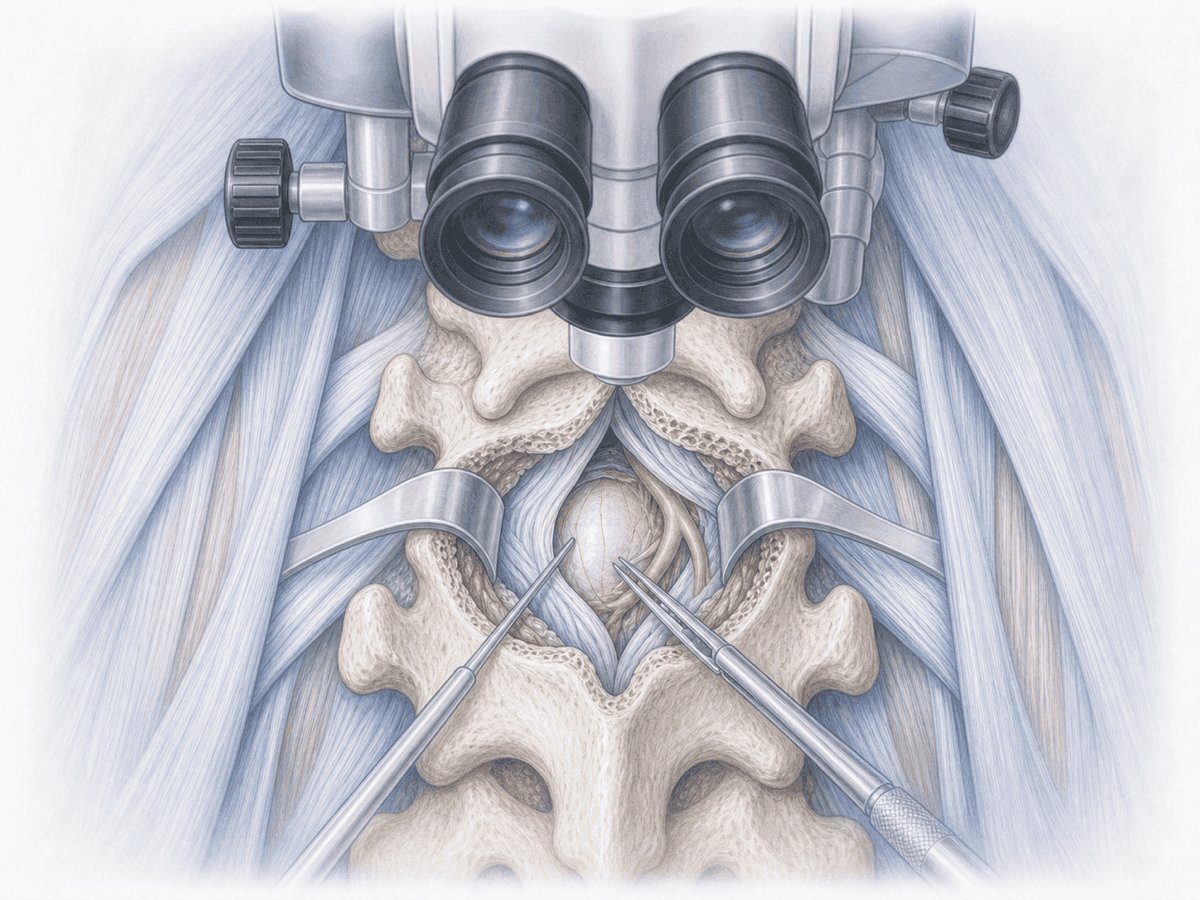
Technique that uses a stereoscopic surgical microscope to operate on the spine with magnified visualisation and coaxial illumination, improving precision and neurological safety.

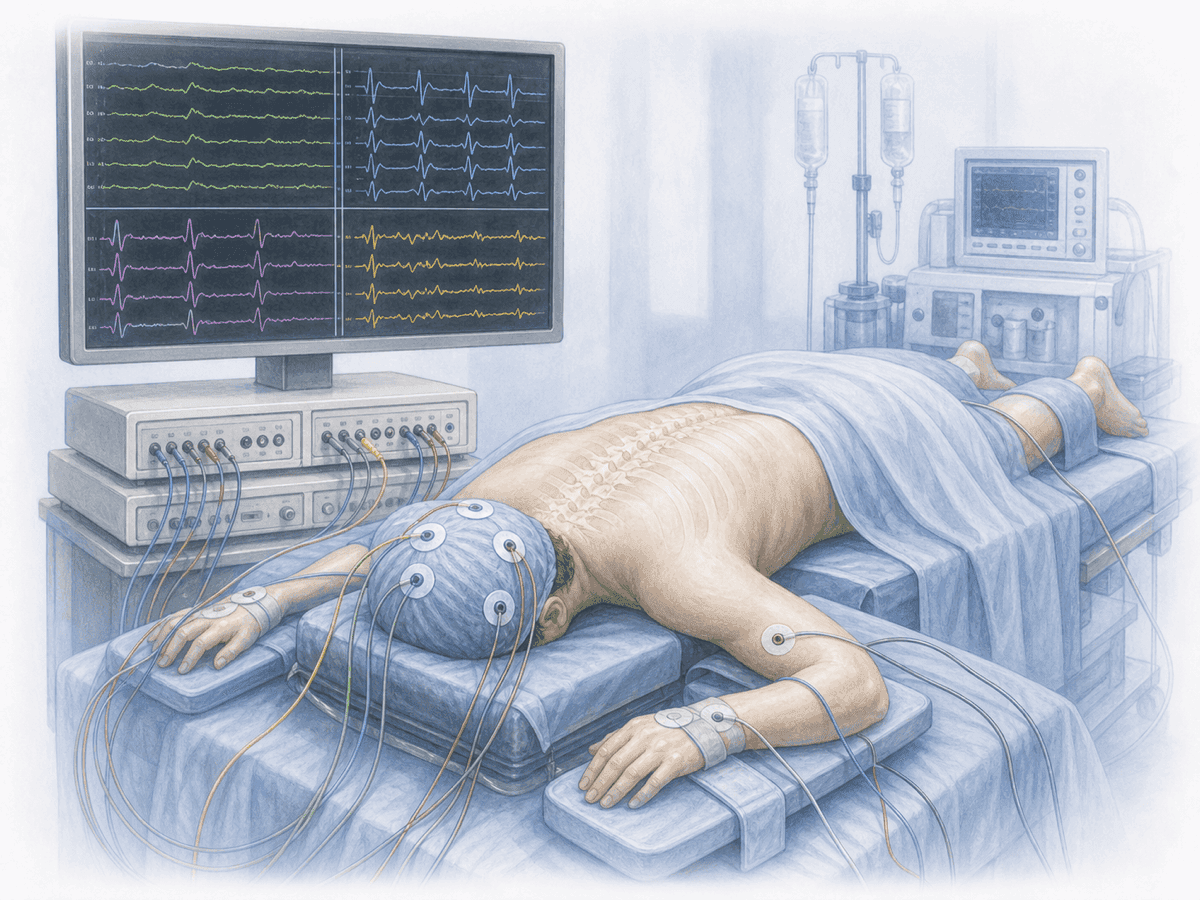
Real-time monitoring of the spinal cord and nerve roots during surgery using MEP, SSEP and EMG to detect and prevent neurological injury.

Surgical removal of spinal instrumentation (screws, rods or plates) once the fusion has consolidated, when the hardware causes discomfort, prominence or intolerance.

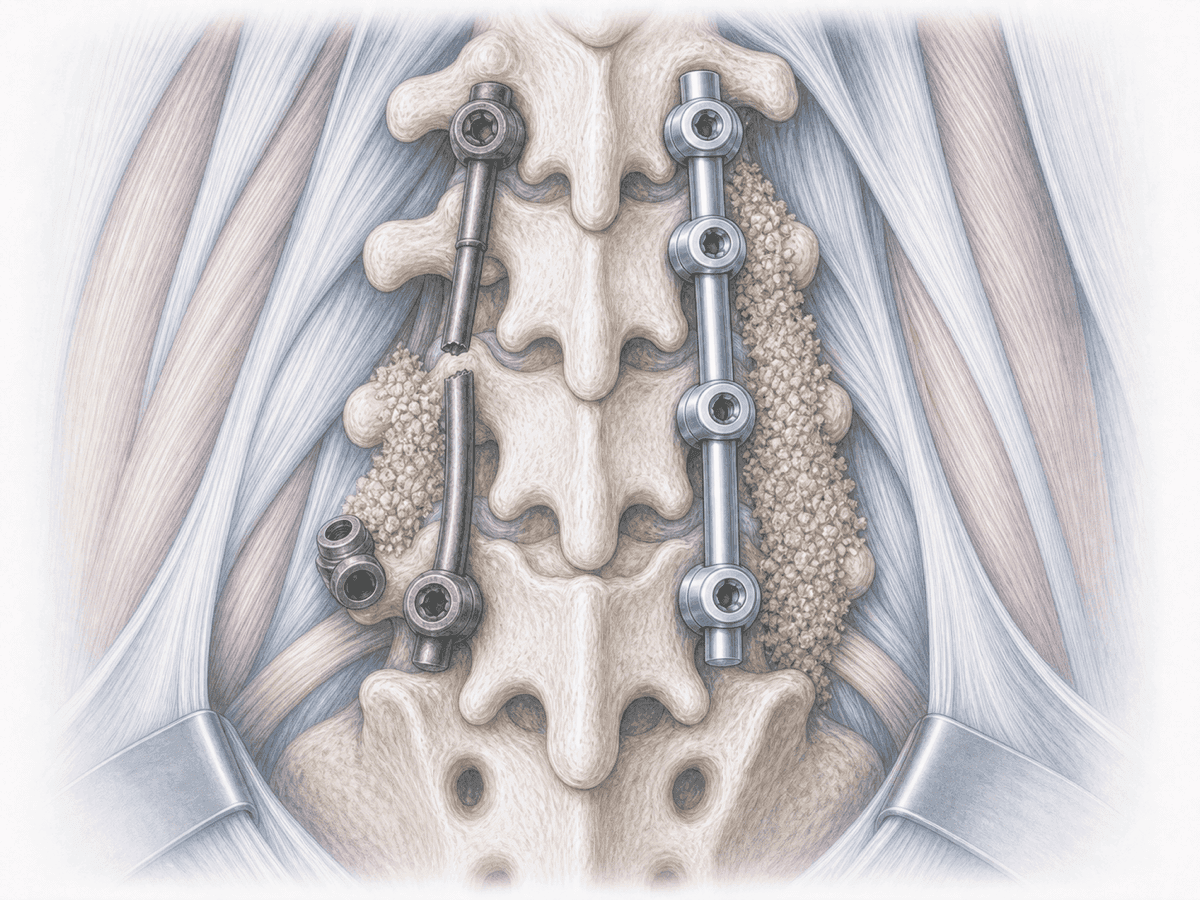
Salvage surgery when screws, rods or cages have broken, loosened or been malpositioned, with persistent mechanical pain or new neurological symptoms. Individualised plan for removal, replacement or re-instrumentation.

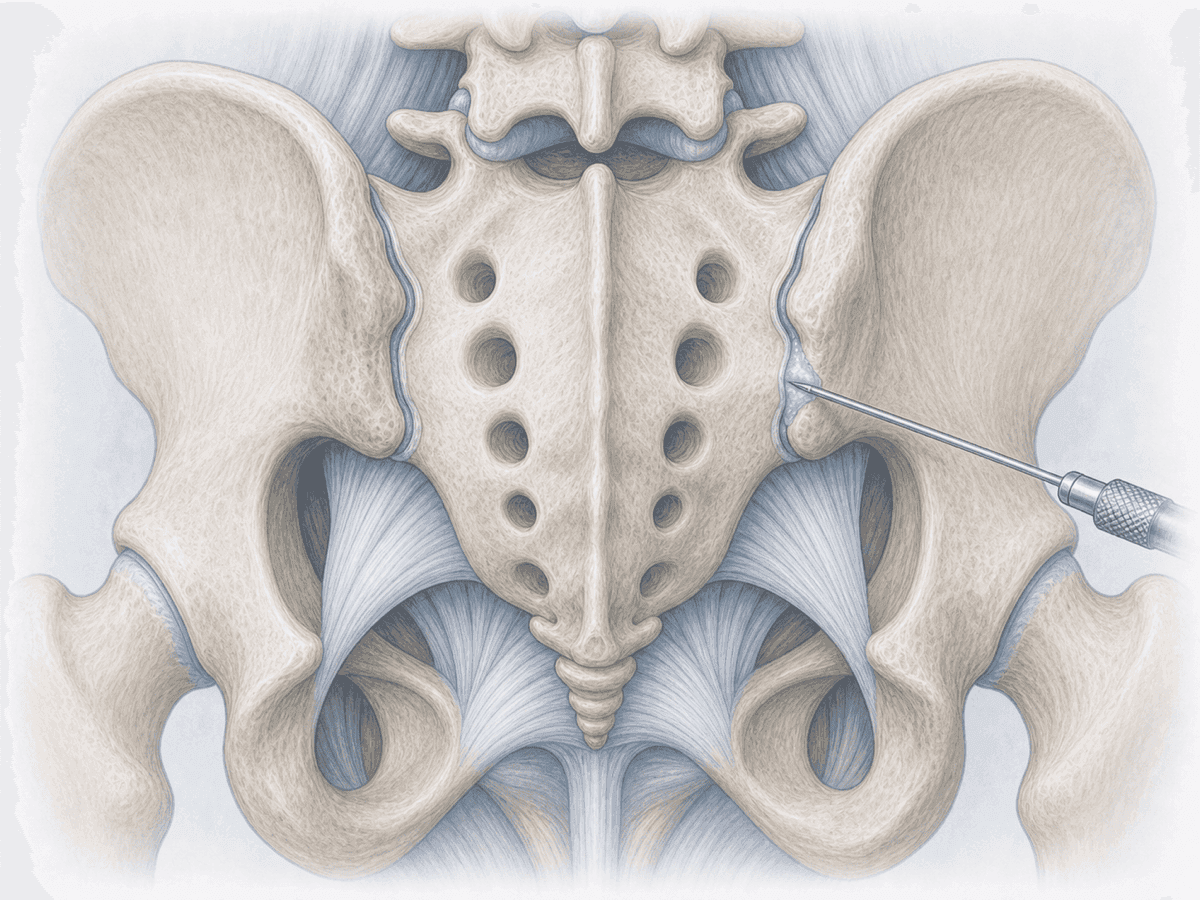
Diagnostic and therapeutic intra-articular injection of the sacroiliac joint under fluoroscopic or ultrasound guidance, indicated for buttock or low back pain of sacroiliac origin.

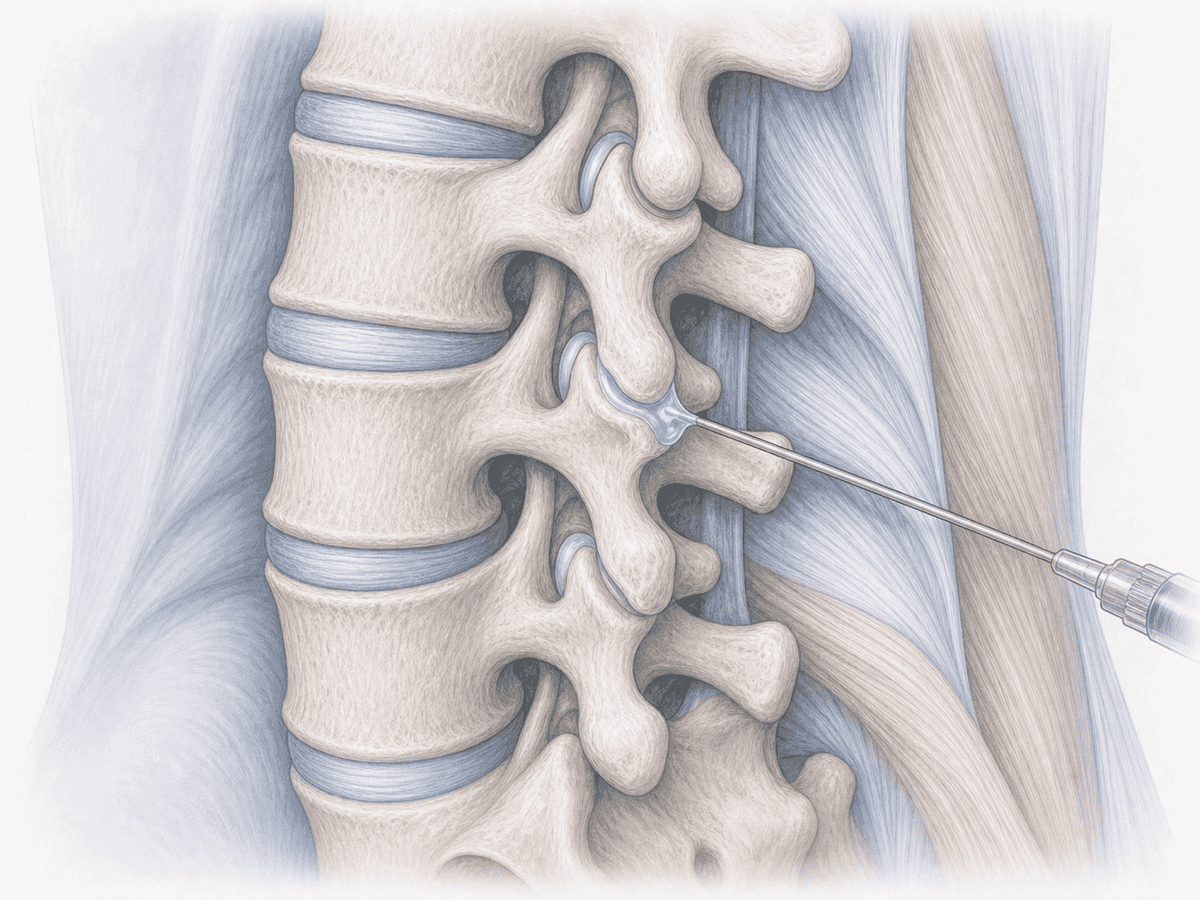
Image-guided injection of local anaesthetic and corticosteroid into the facet joints to diagnose and relieve cervical or lumbar facet-mediated pain.

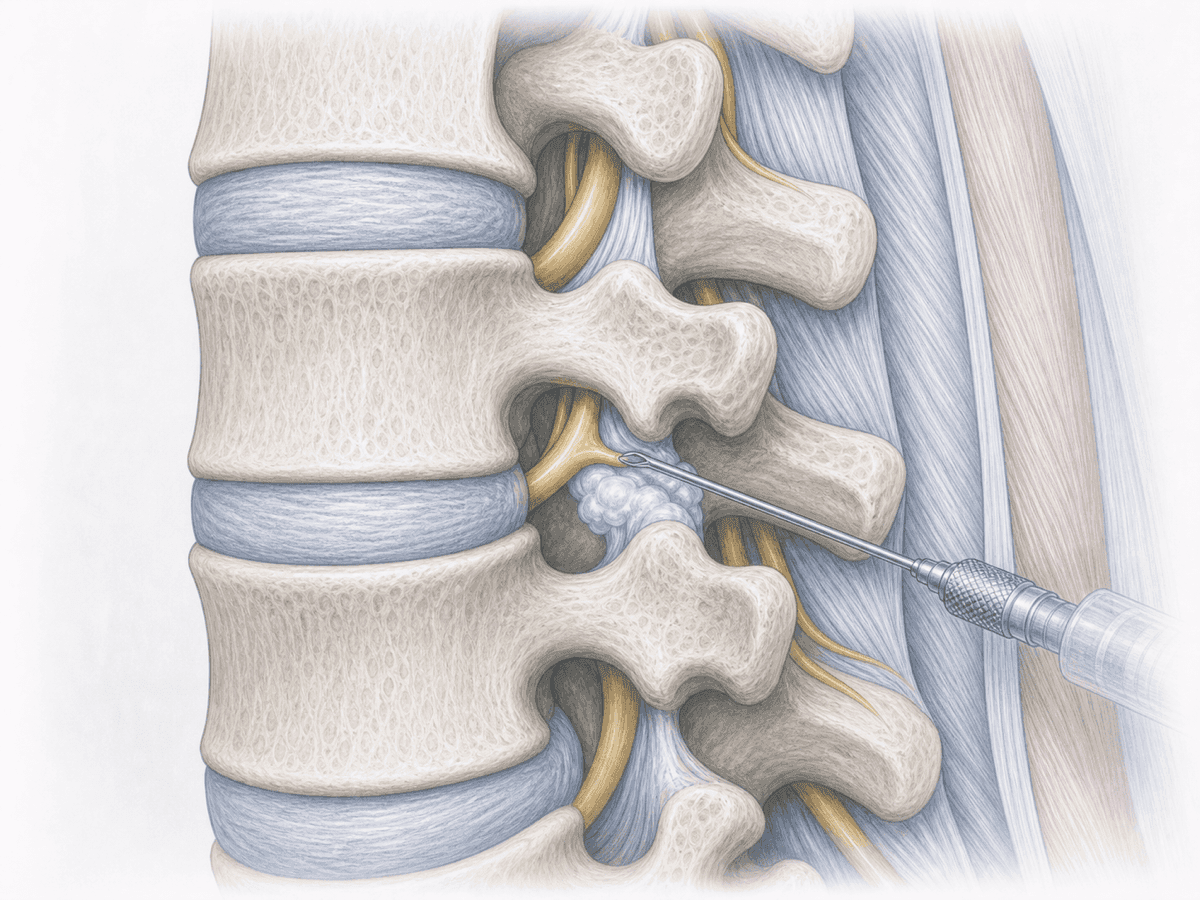
Fluoroscopy-guided injection that delivers corticosteroid next to a specific nerve root through the foramen to relieve radicular pain from disc herniation or foraminal stenosis.

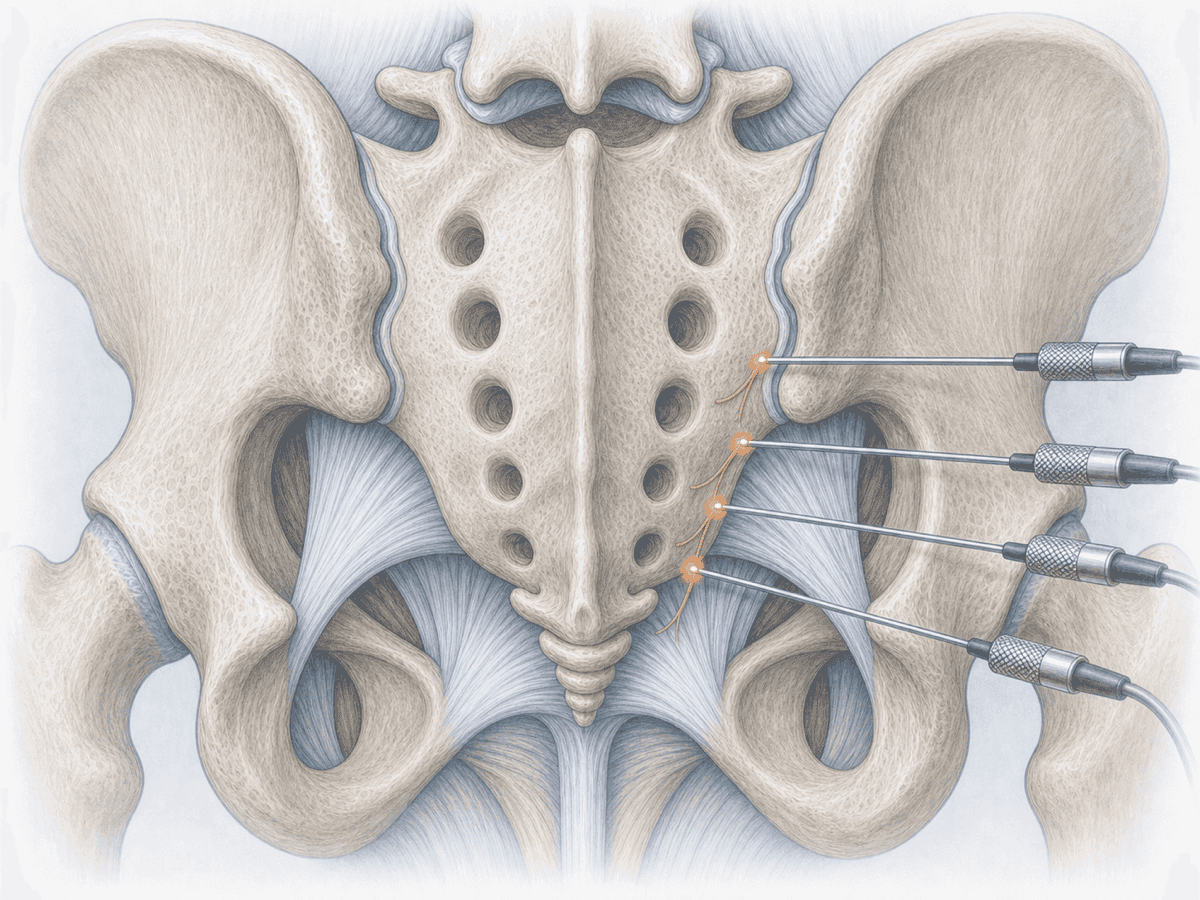
Fluoroscopy-guided percutaneous procedure that applies radiofrequency to the sensory branches of the sacroiliac joint to provide lasting pain relief after positive diagnostic blocks.

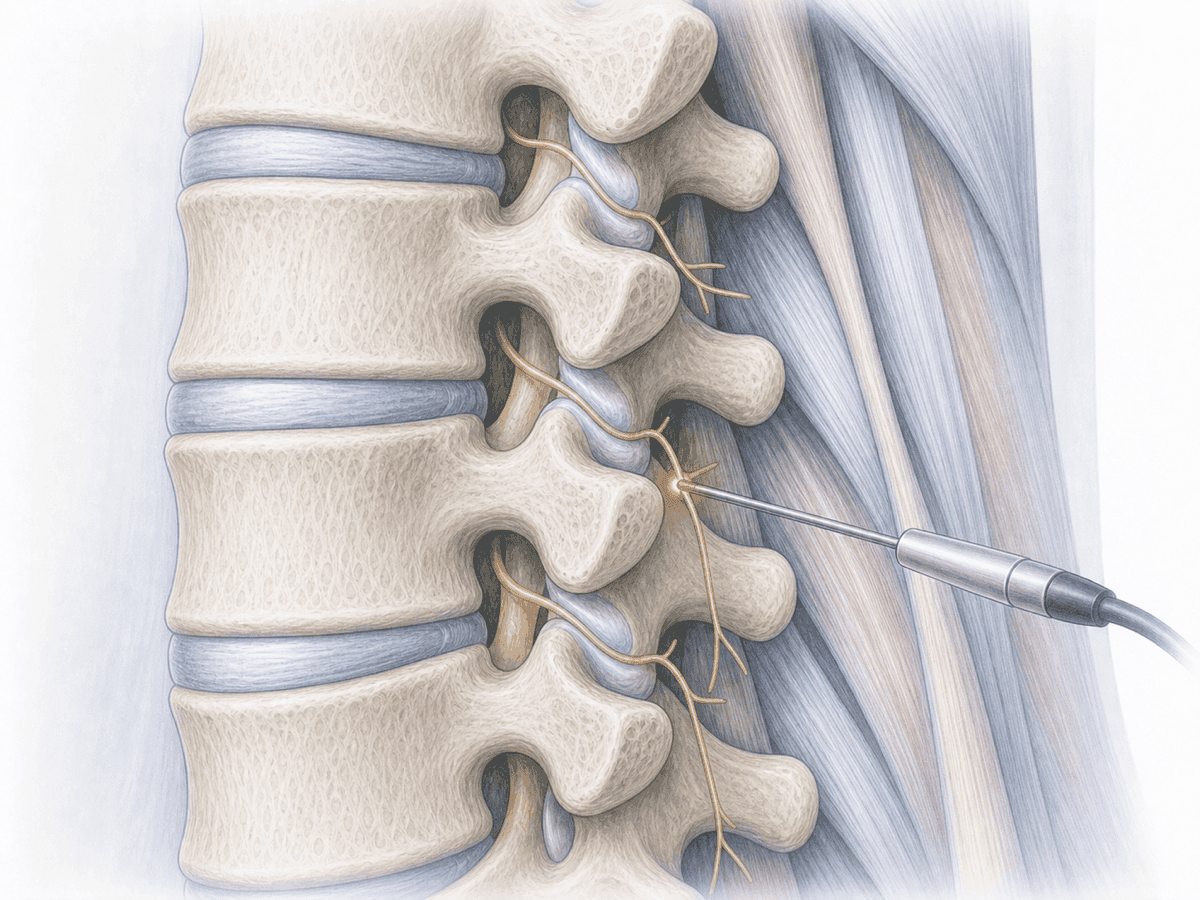
Minimally invasive fluoroscopy-guided technique that denervates the medial branch of the dorsal ramus to relieve facet-origin low back pain after positive diagnostic blocks.
If you recognise yourself in some of these symptoms and your pain is starting to limit your daily life, we can review your case in a personalised consultation. Dr. Ben Ghezala will assess your clinical history and imaging studies to help you decide the best treatment option for you.
Request a consultation with Dr. Ben Ghezala