Tubular minimally invasive spine surgery
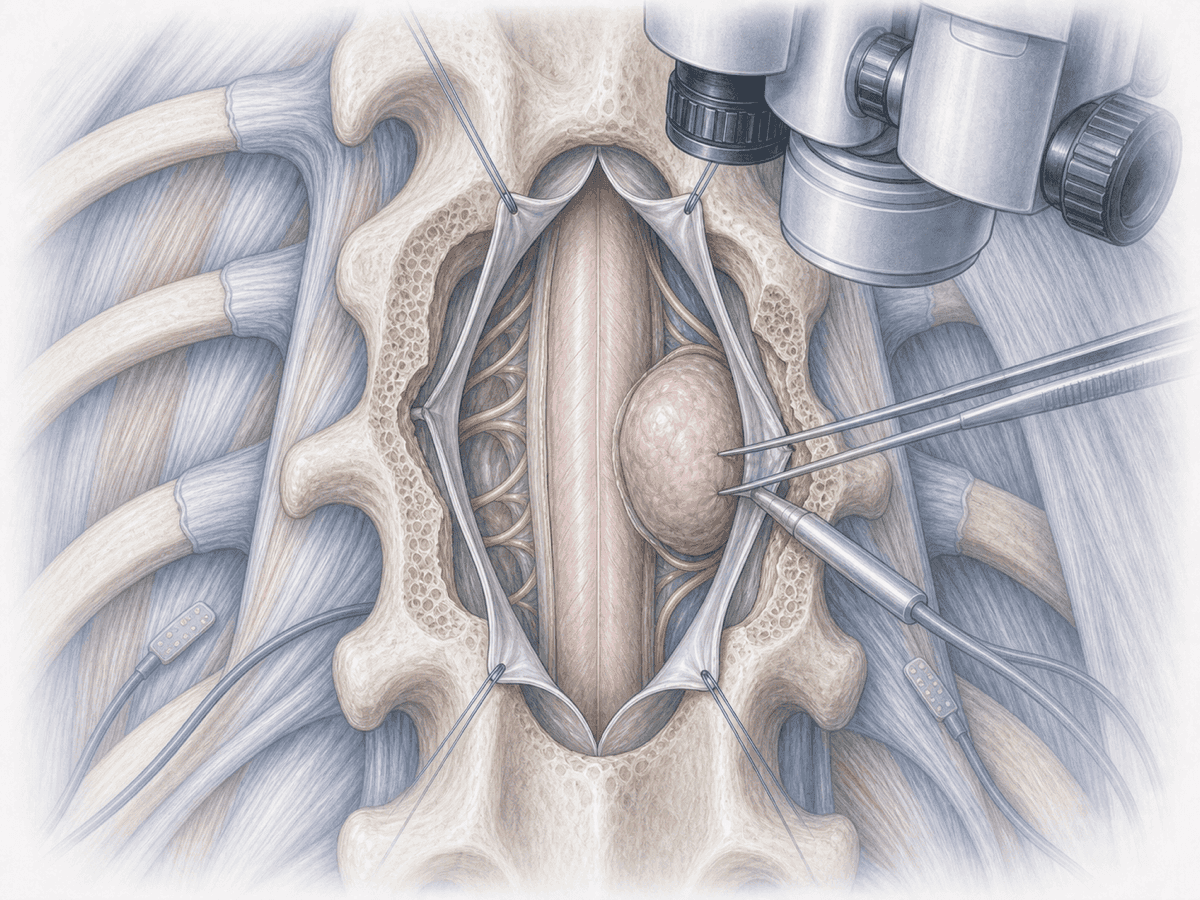
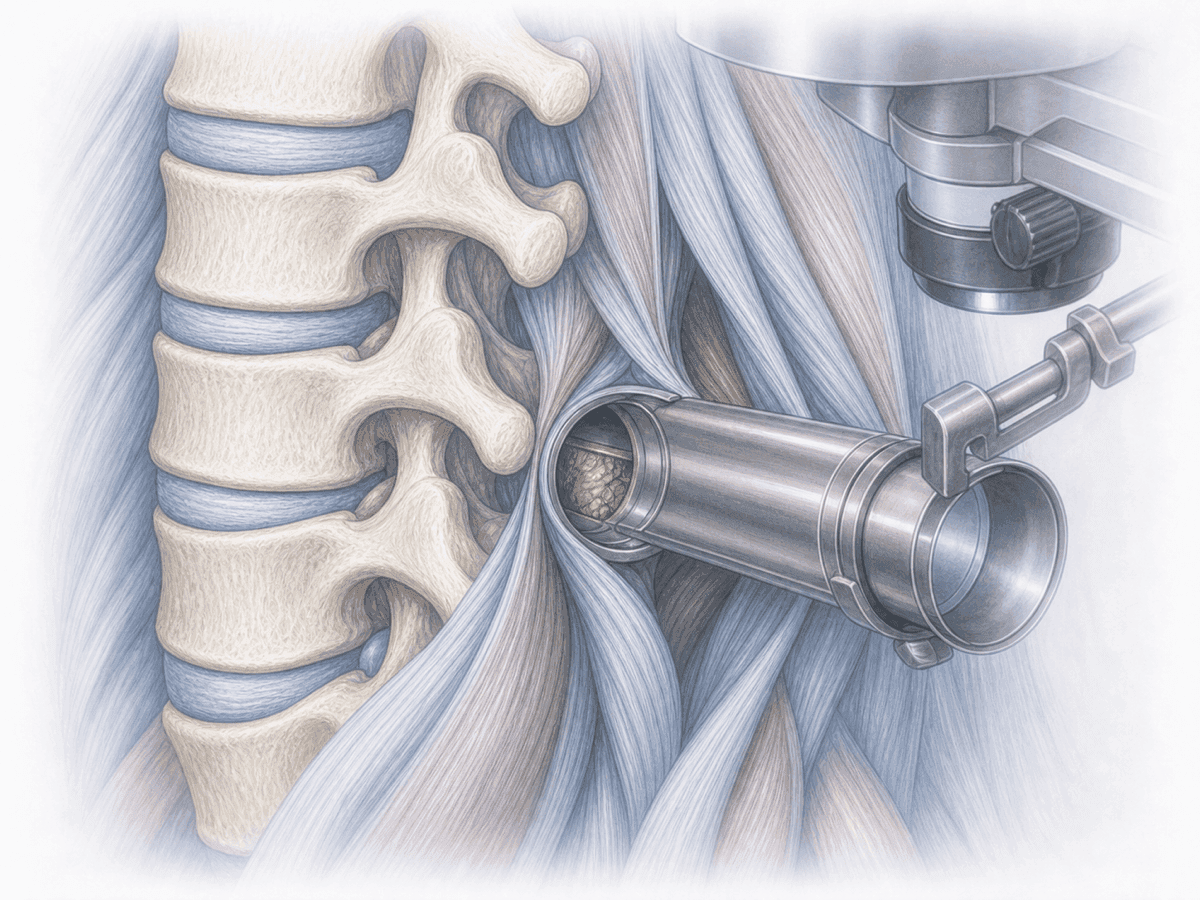
Cross-cutting technique that lets us operate on the spine through small tubular retractors, sparing muscle and soft tissue for a faster recovery.
Explore Dr. Karim Ben Ghezala's spine treatments. In each treatment, you will find clear information about its indication, what it involves, and what to expect from the process, with a patient-centered medical approach.

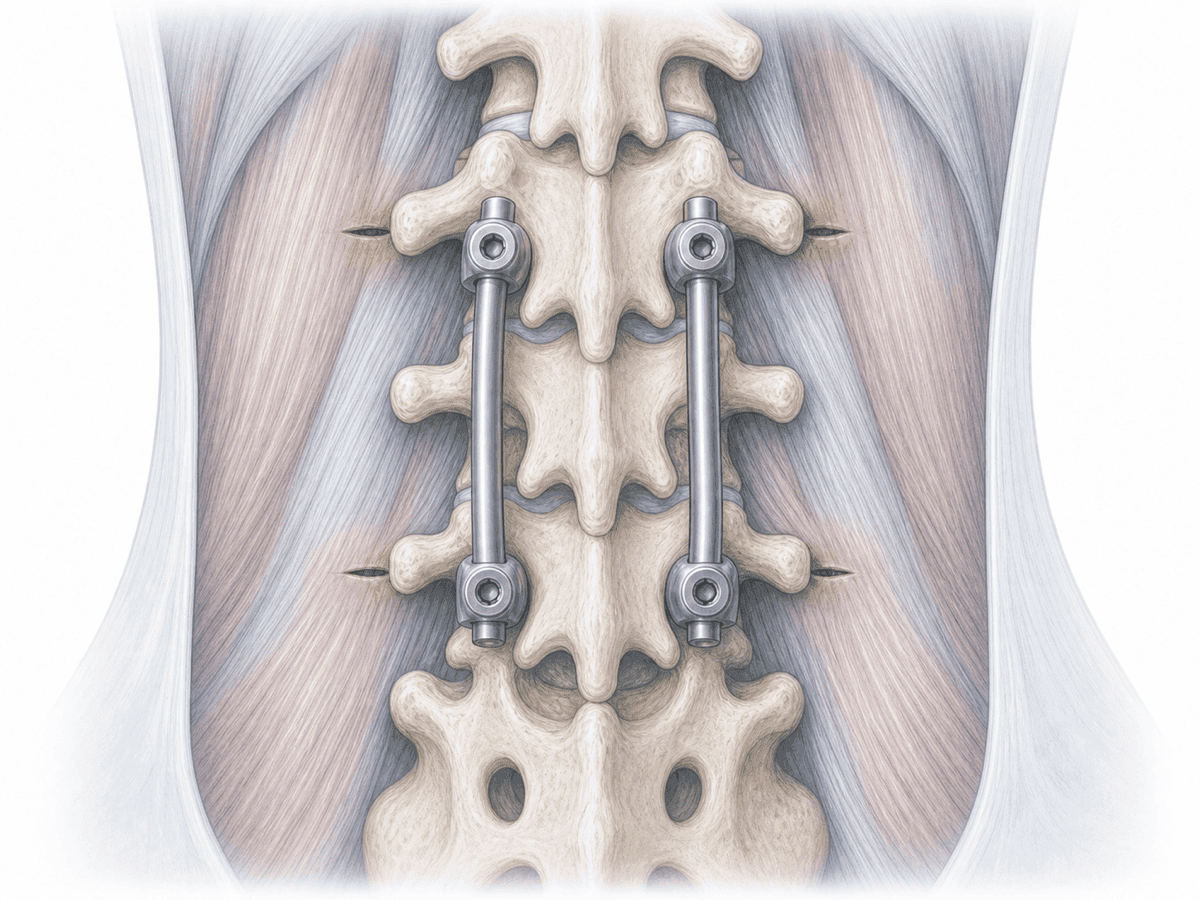
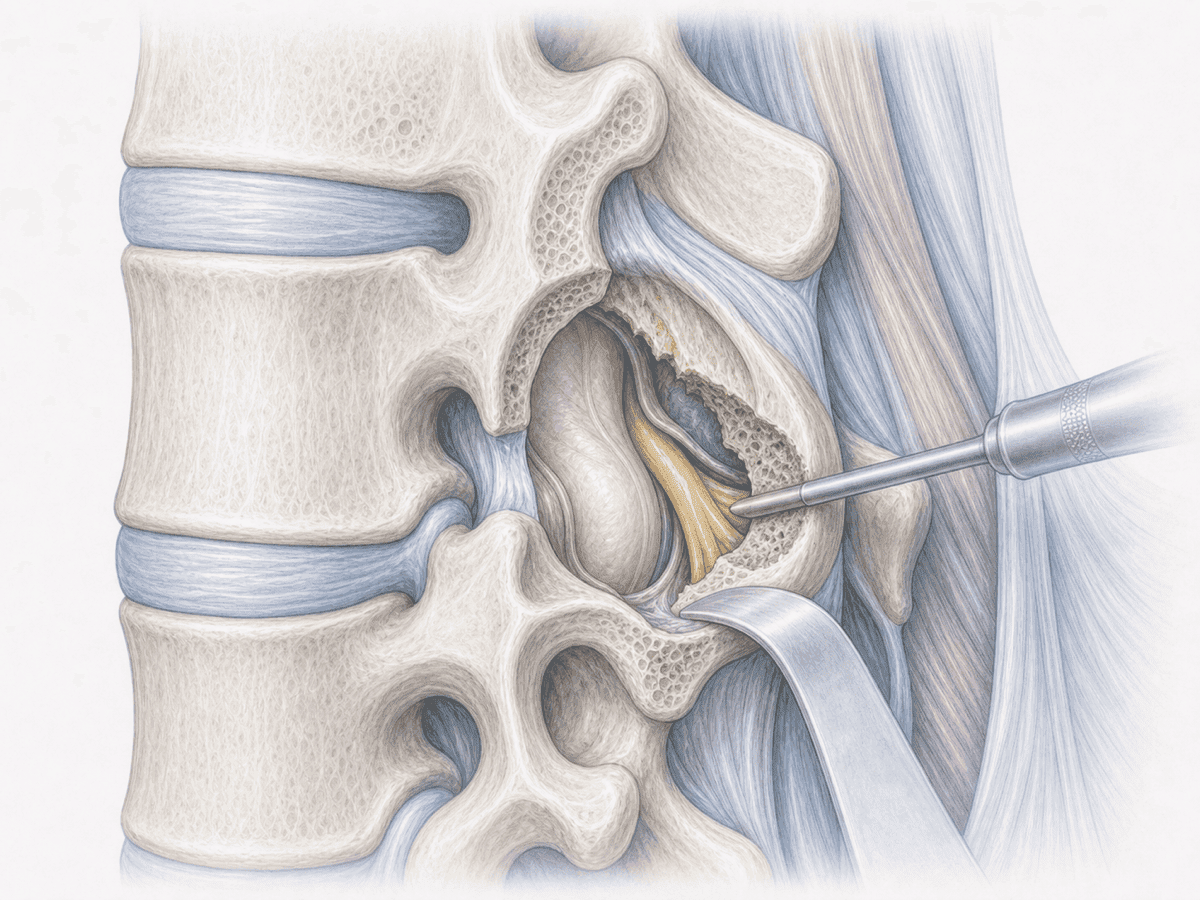
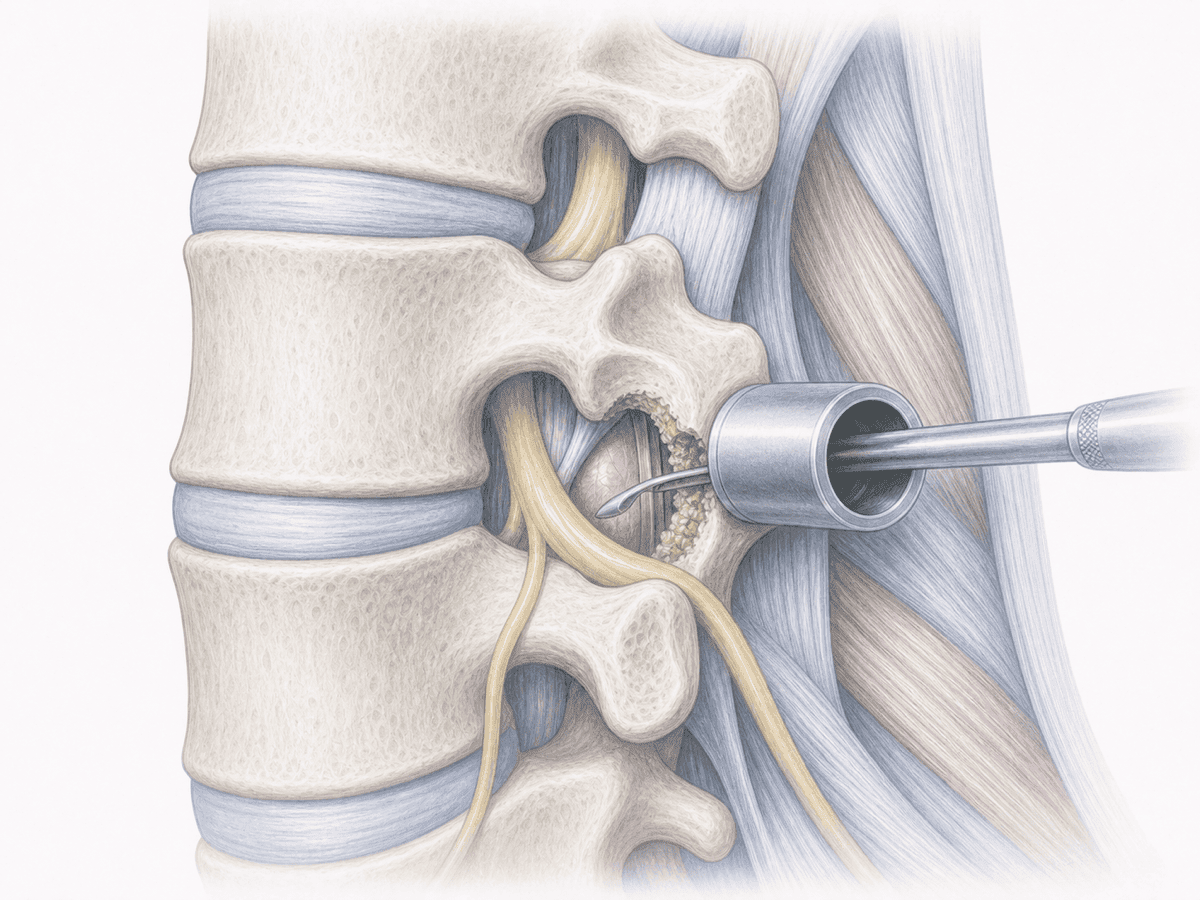
Cross-cutting technique that lets us operate on the spine through small tubular retractors, sparing muscle and soft tissue for a faster recovery.

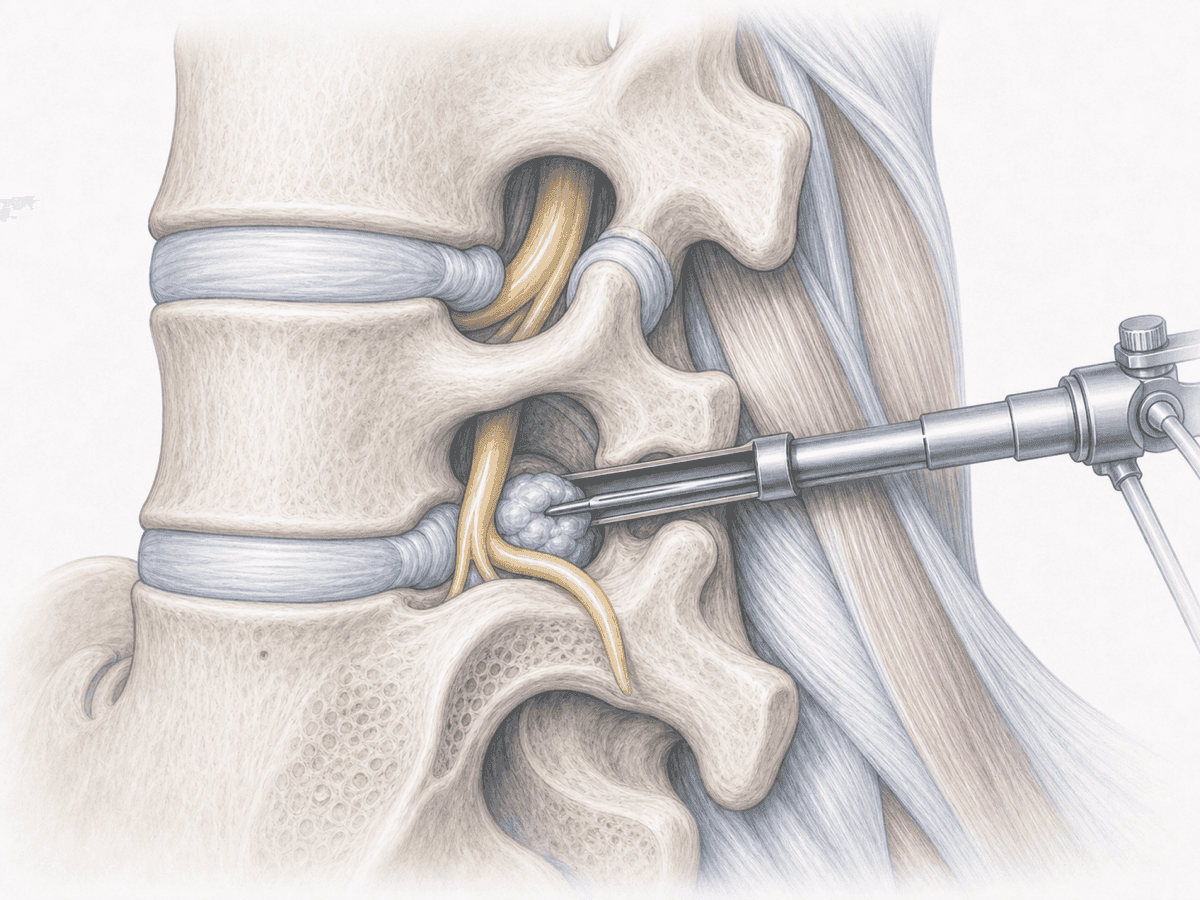
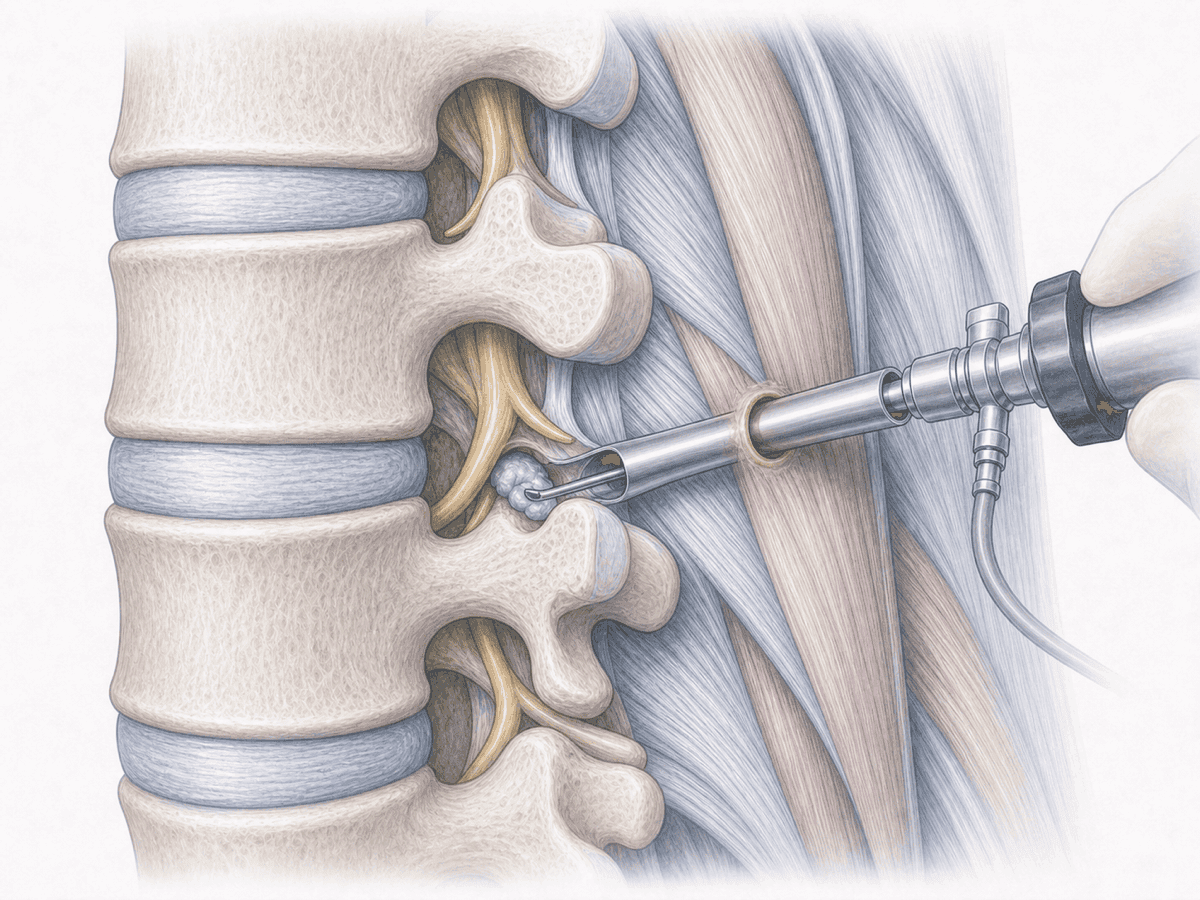
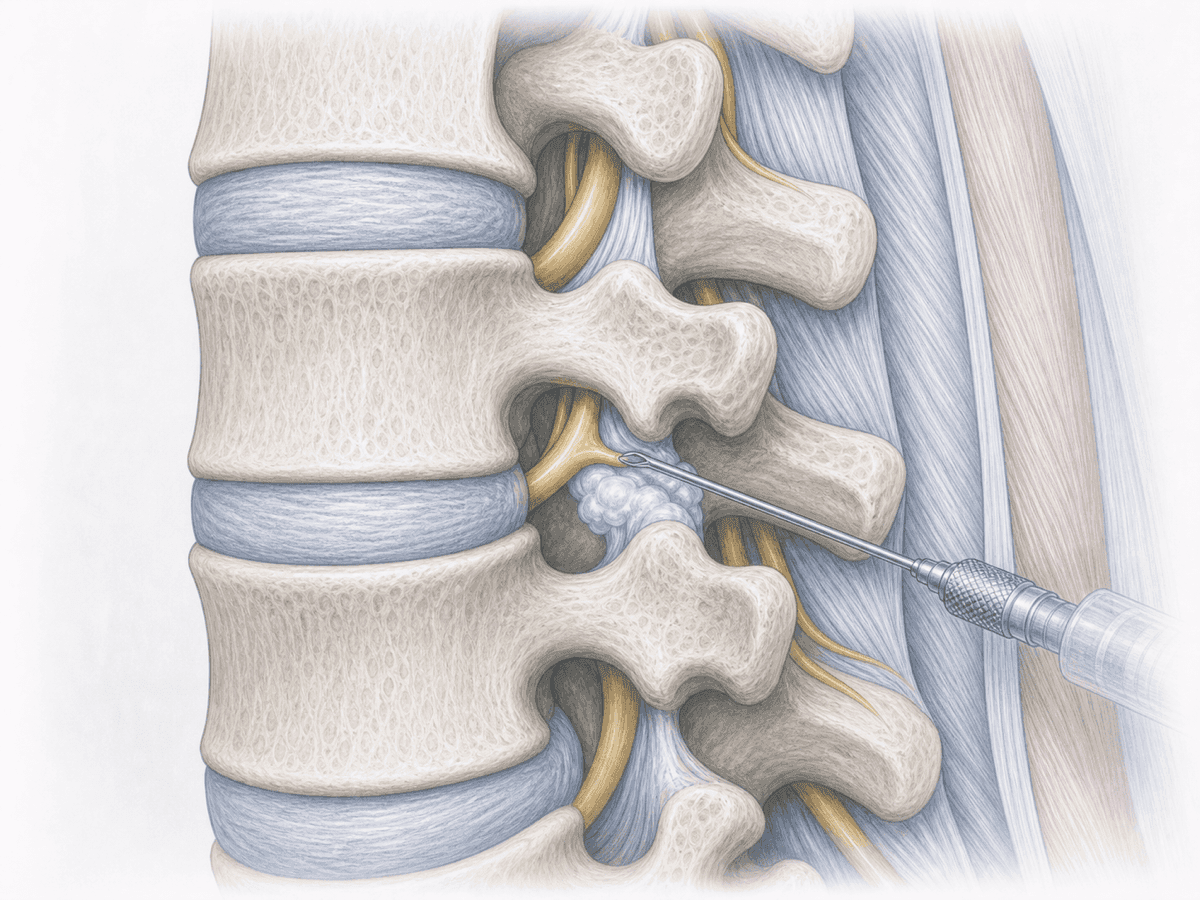
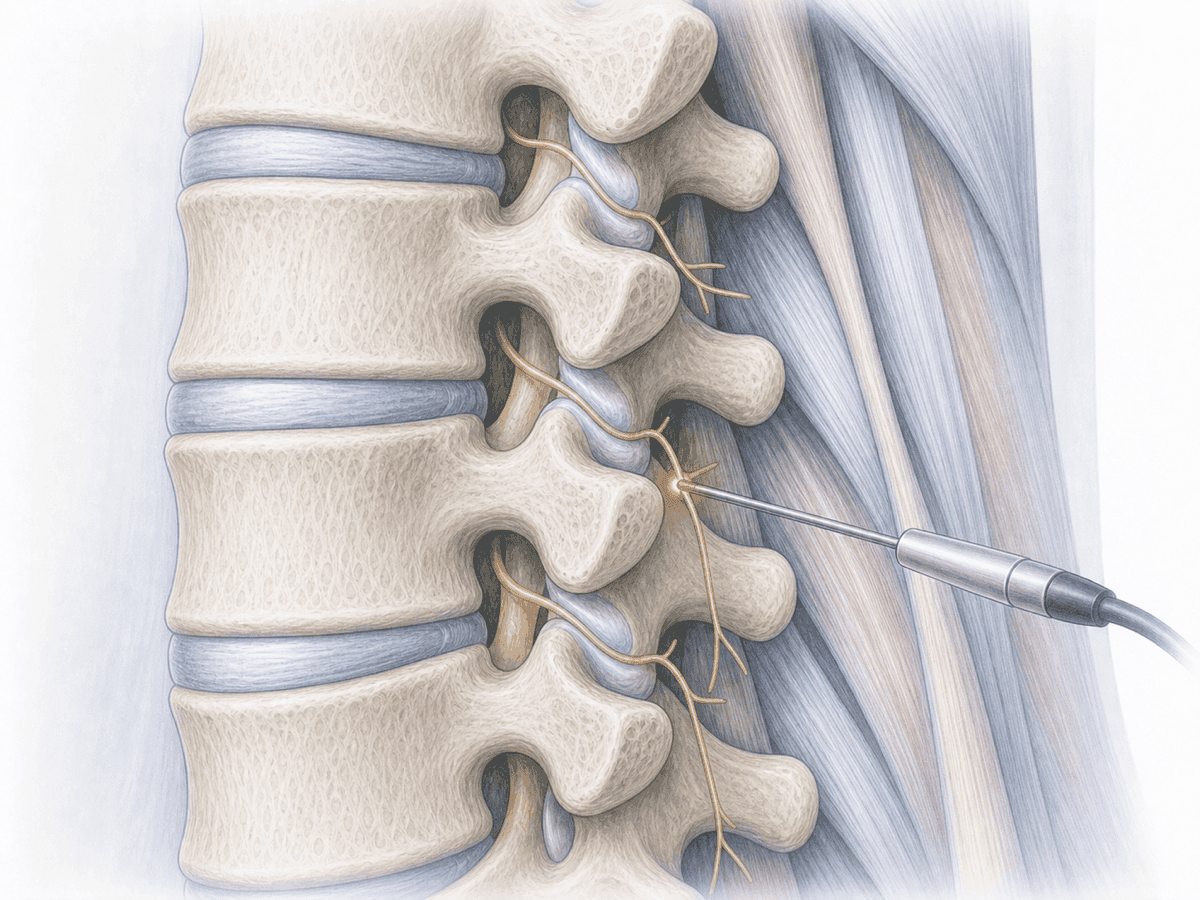
Minimally invasive technique using a working-channel spinal endoscope to decompress nerve roots through a 7-8 mm incision, often under local anaesthesia and with same-day discharge.

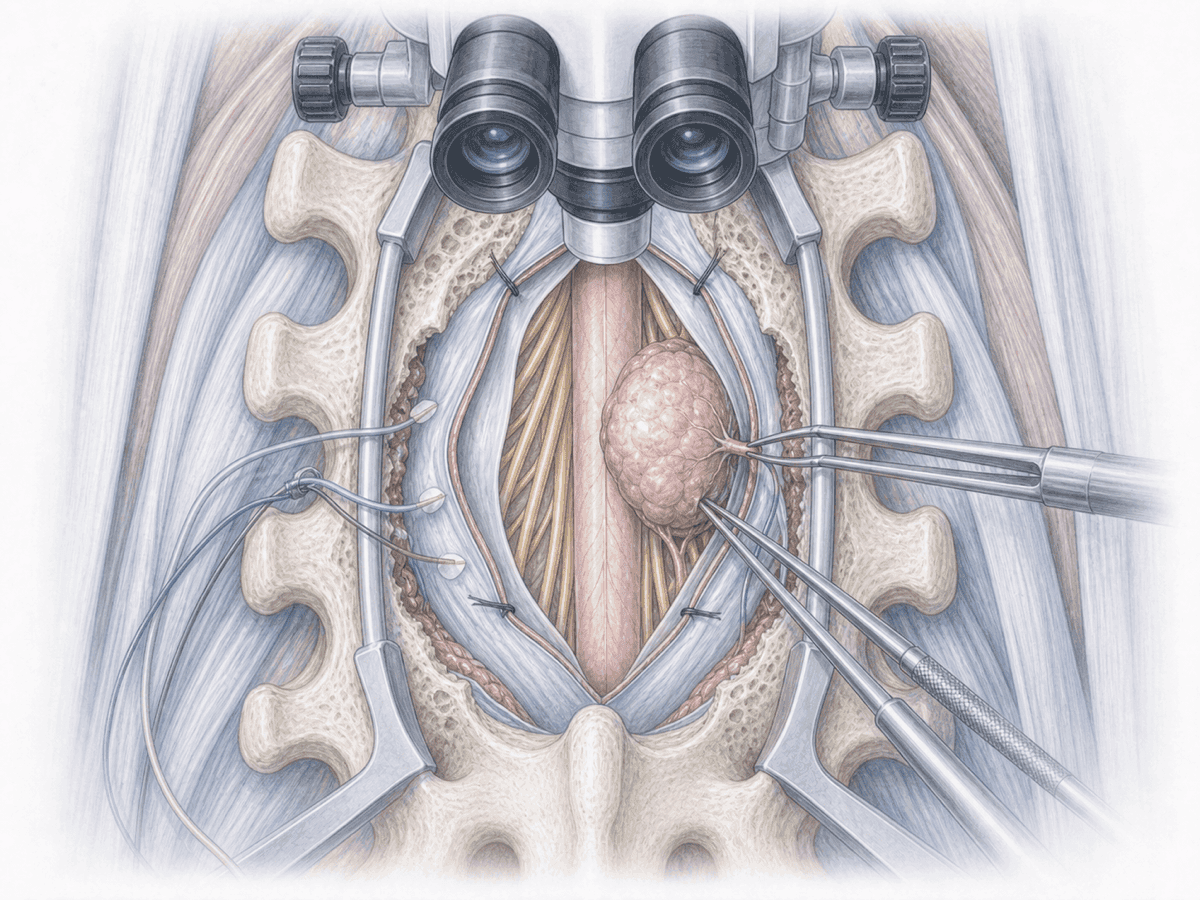
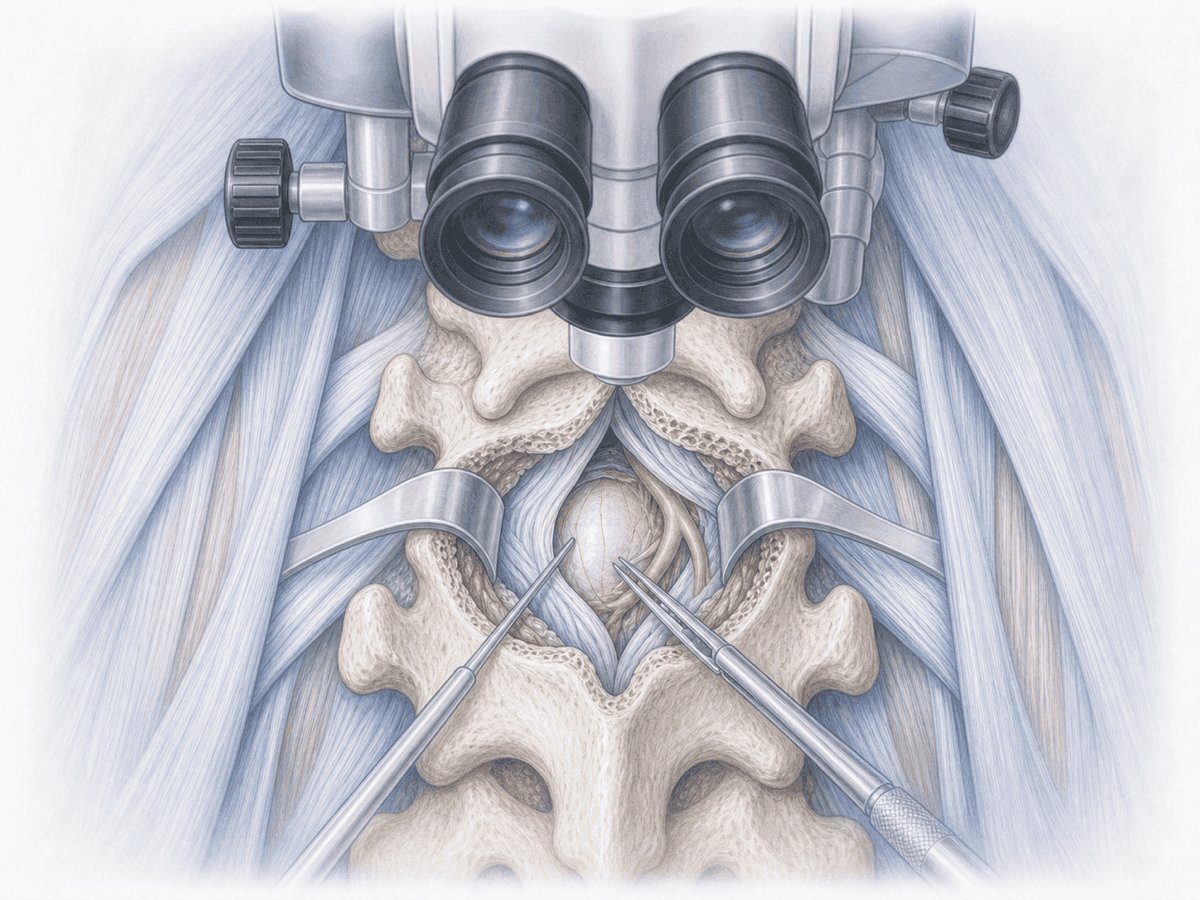
Technique that uses a stereoscopic surgical microscope to operate on the spine with magnified visualisation and coaxial illumination, improving precision and neurological safety.

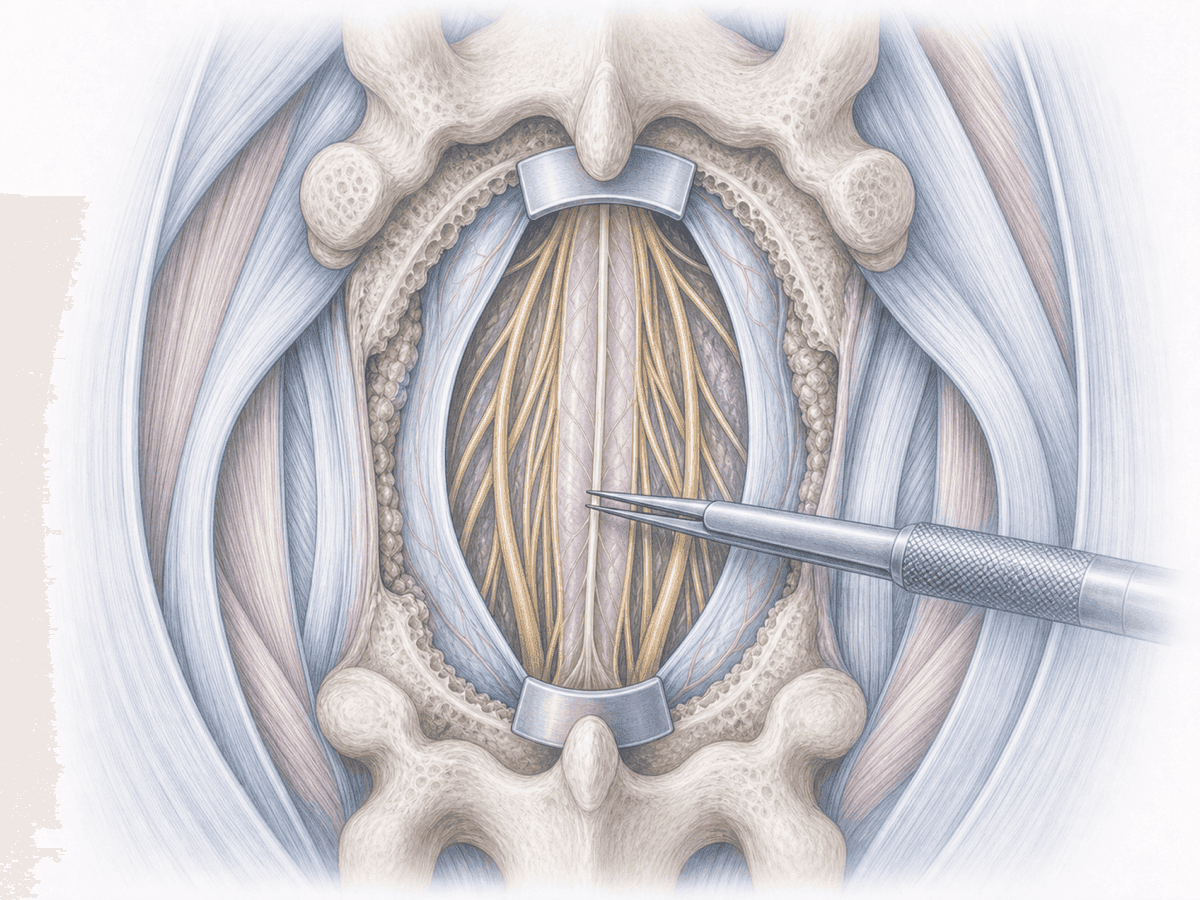
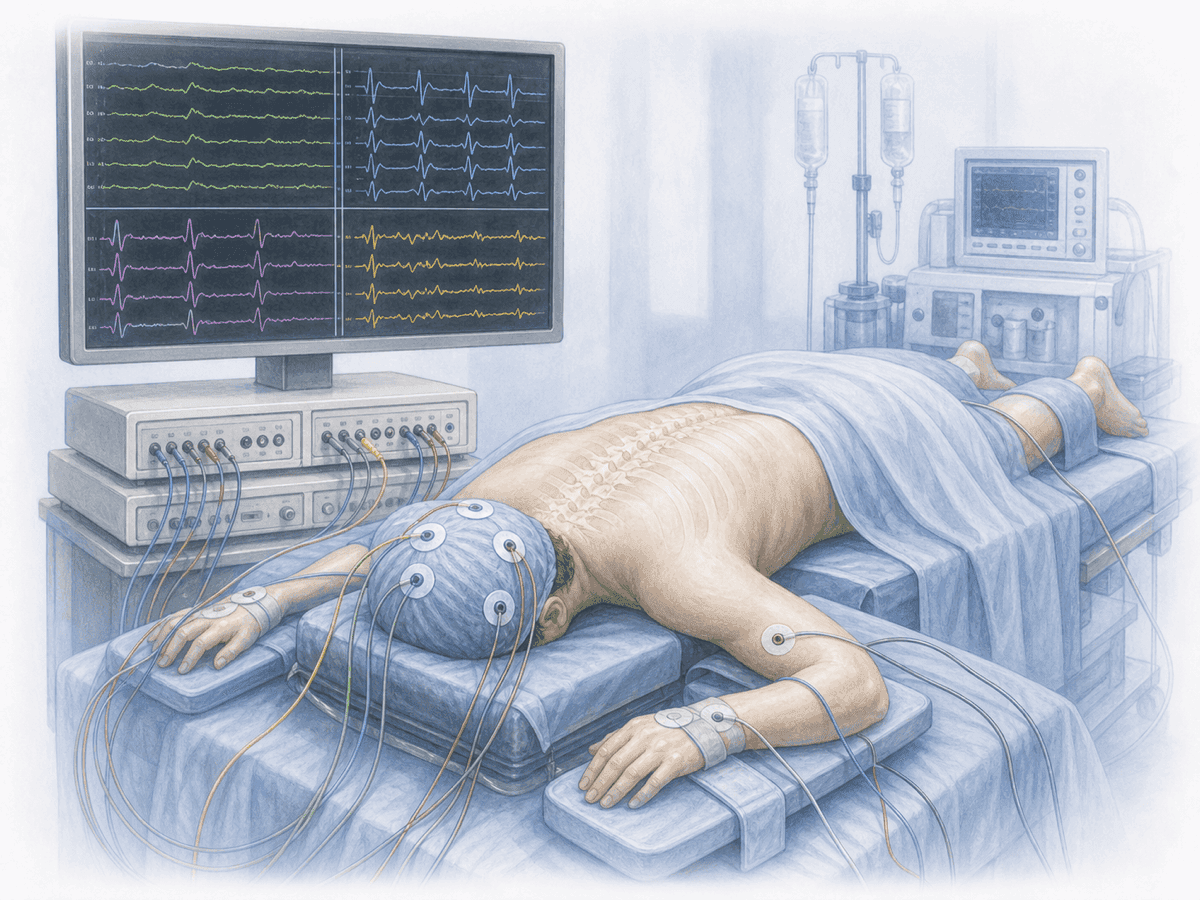
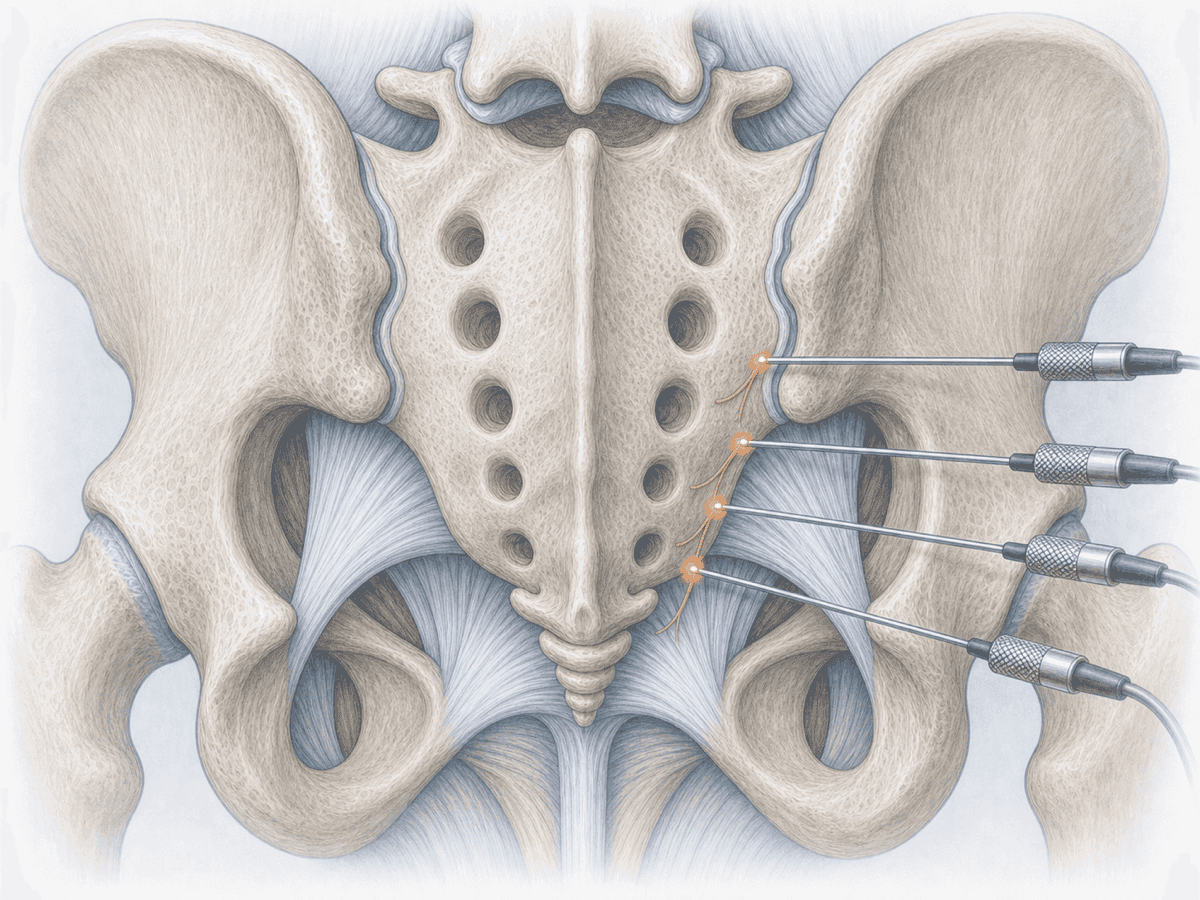
Real-time monitoring of the spinal cord and nerve roots during surgery using MEP, SSEP and EMG to detect and prevent neurological injury.

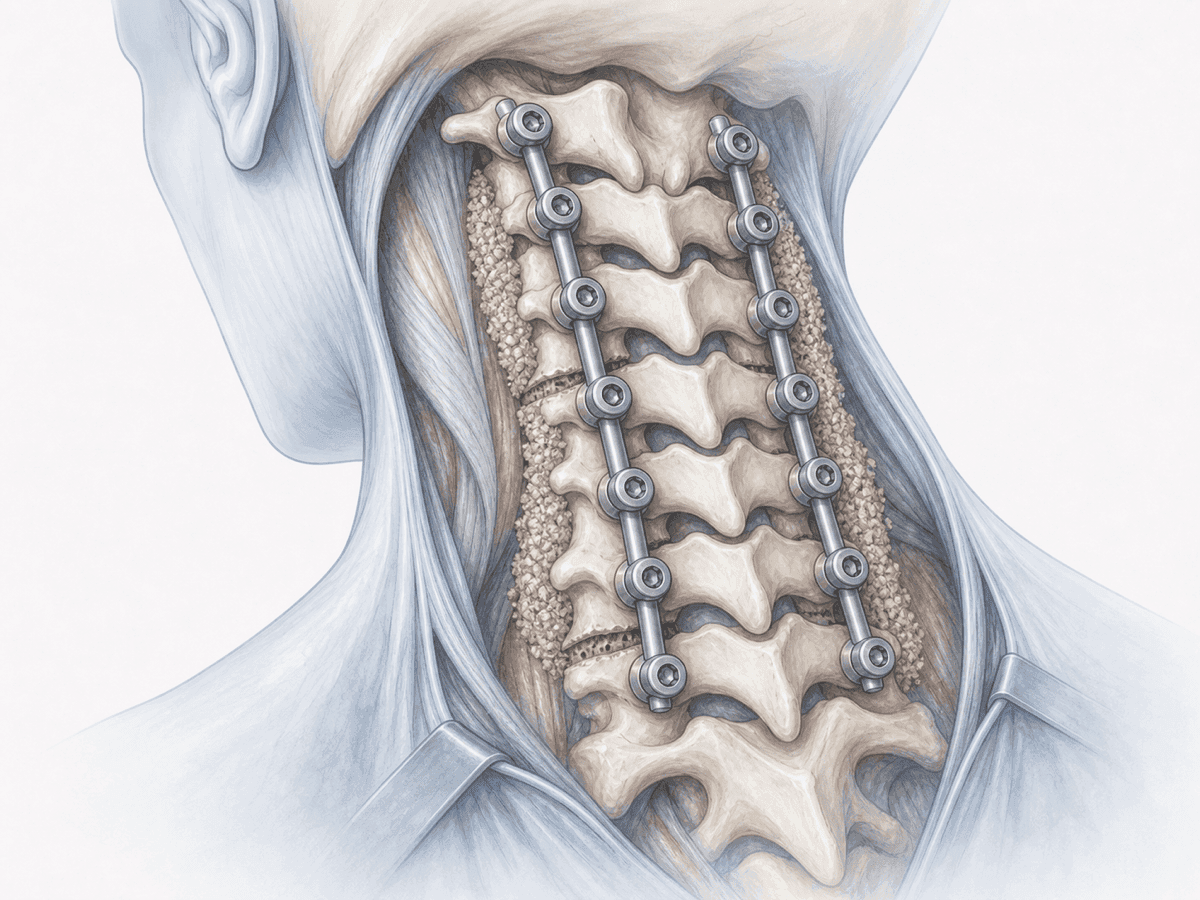
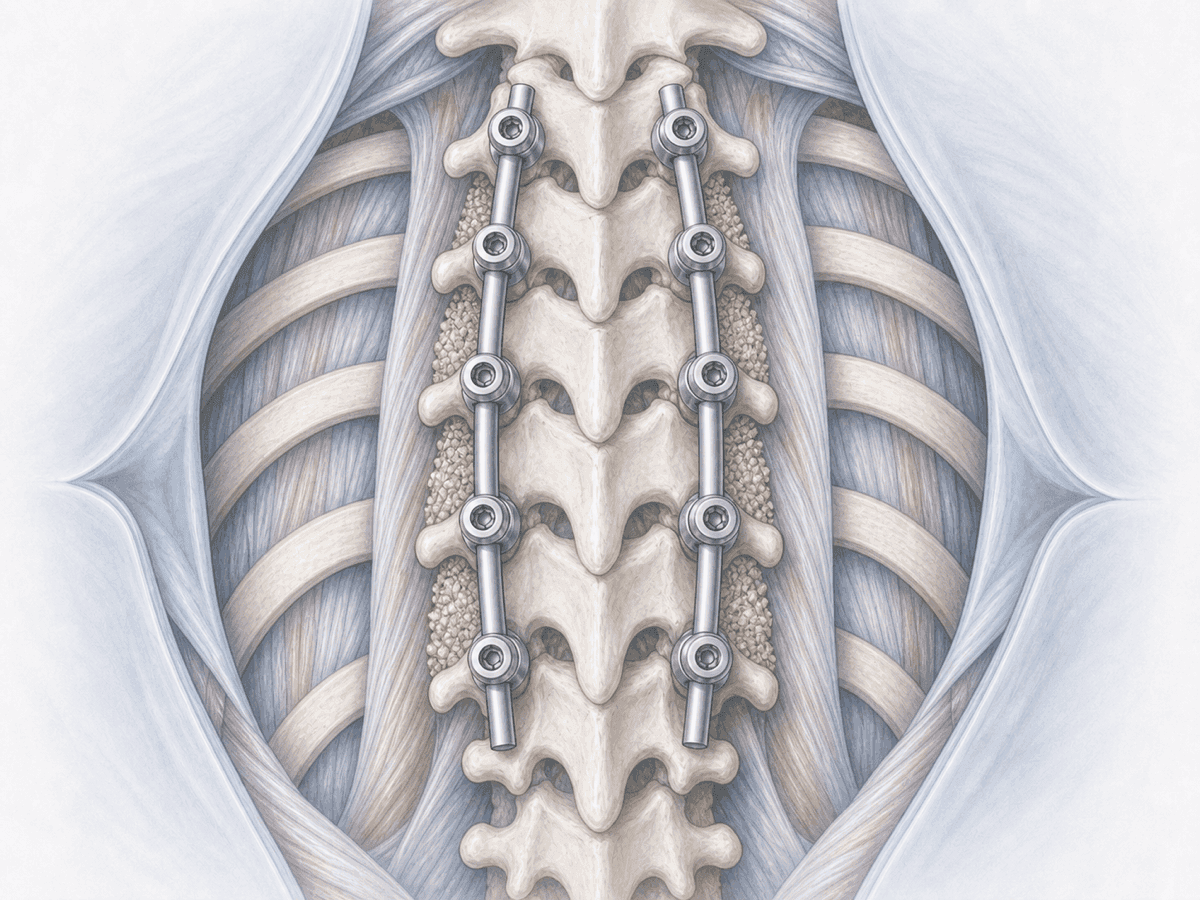
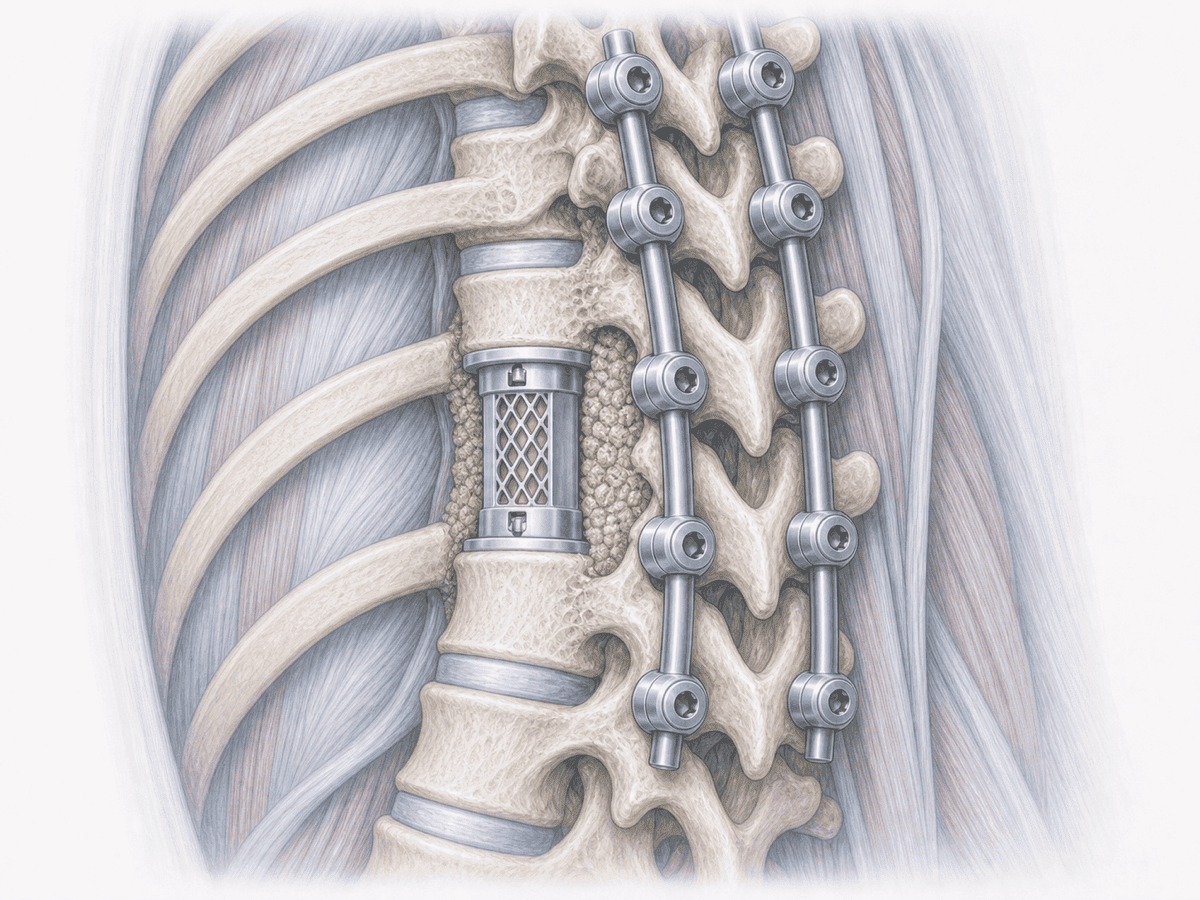
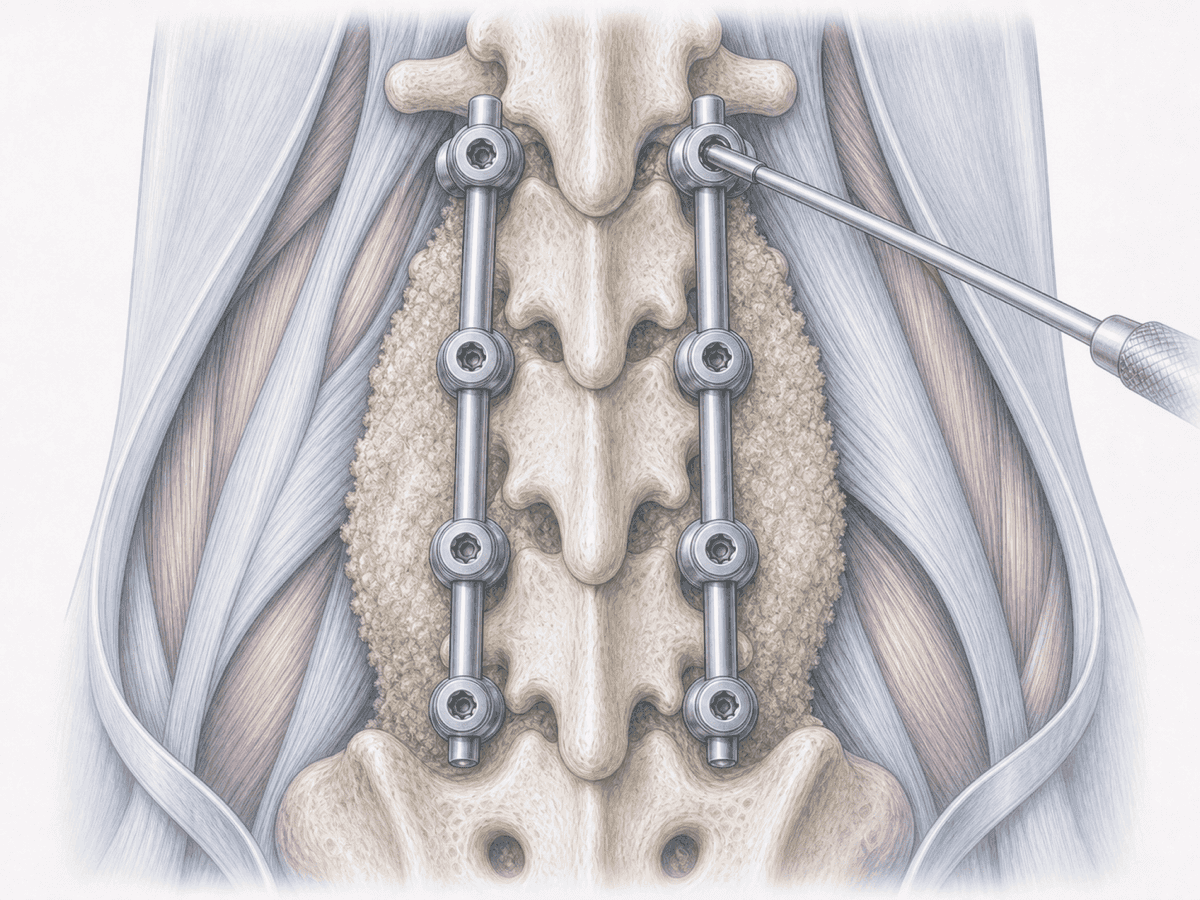
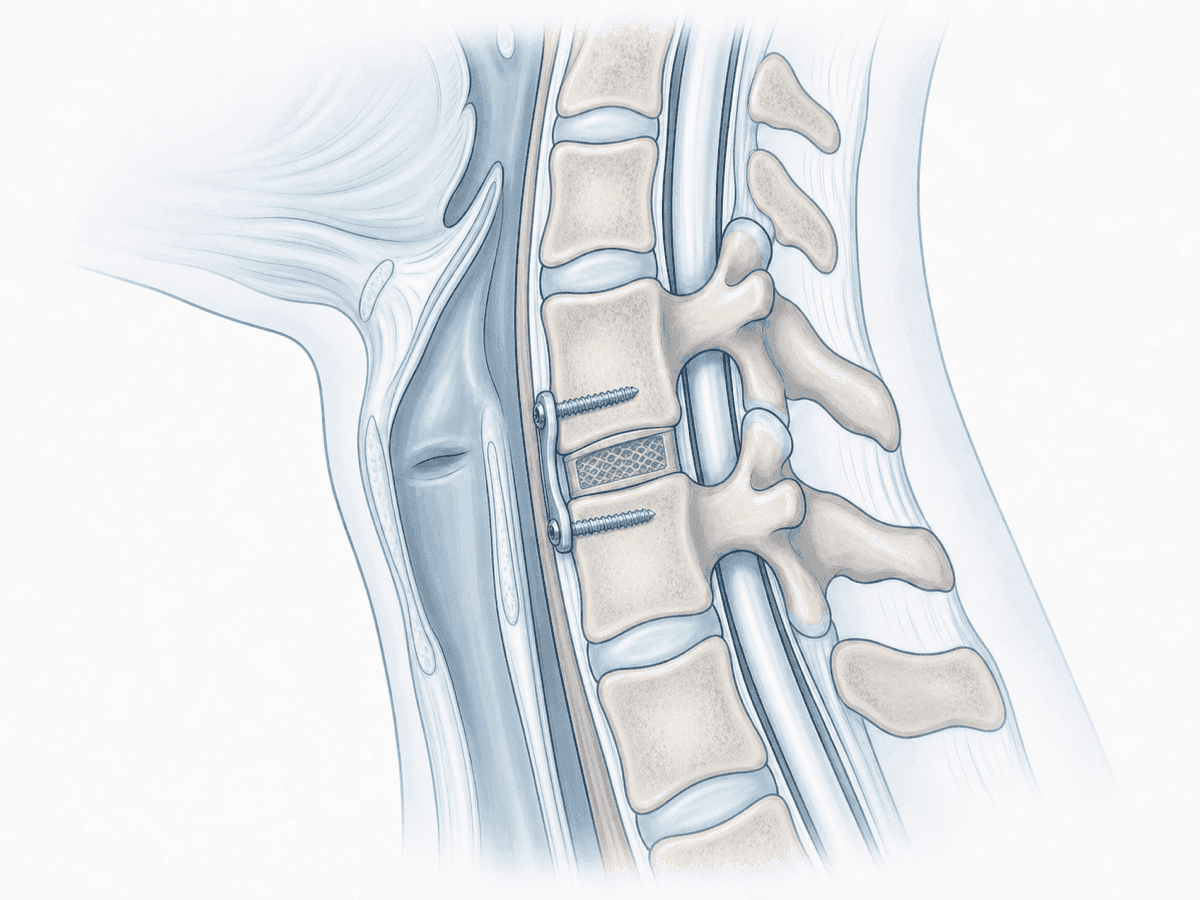
Surgical removal of spinal instrumentation (screws, rods or plates) once the fusion has consolidated, when the hardware causes discomfort, prominence or intolerance.

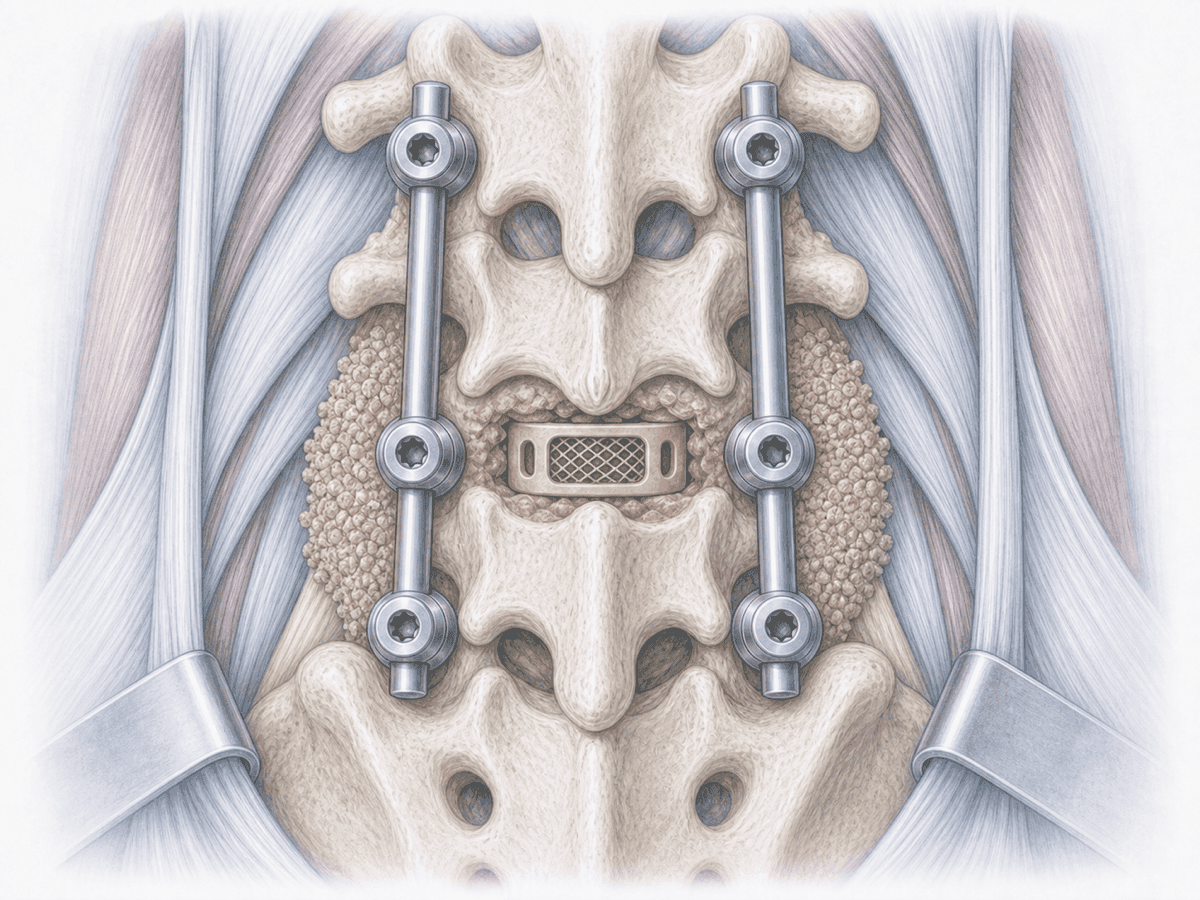
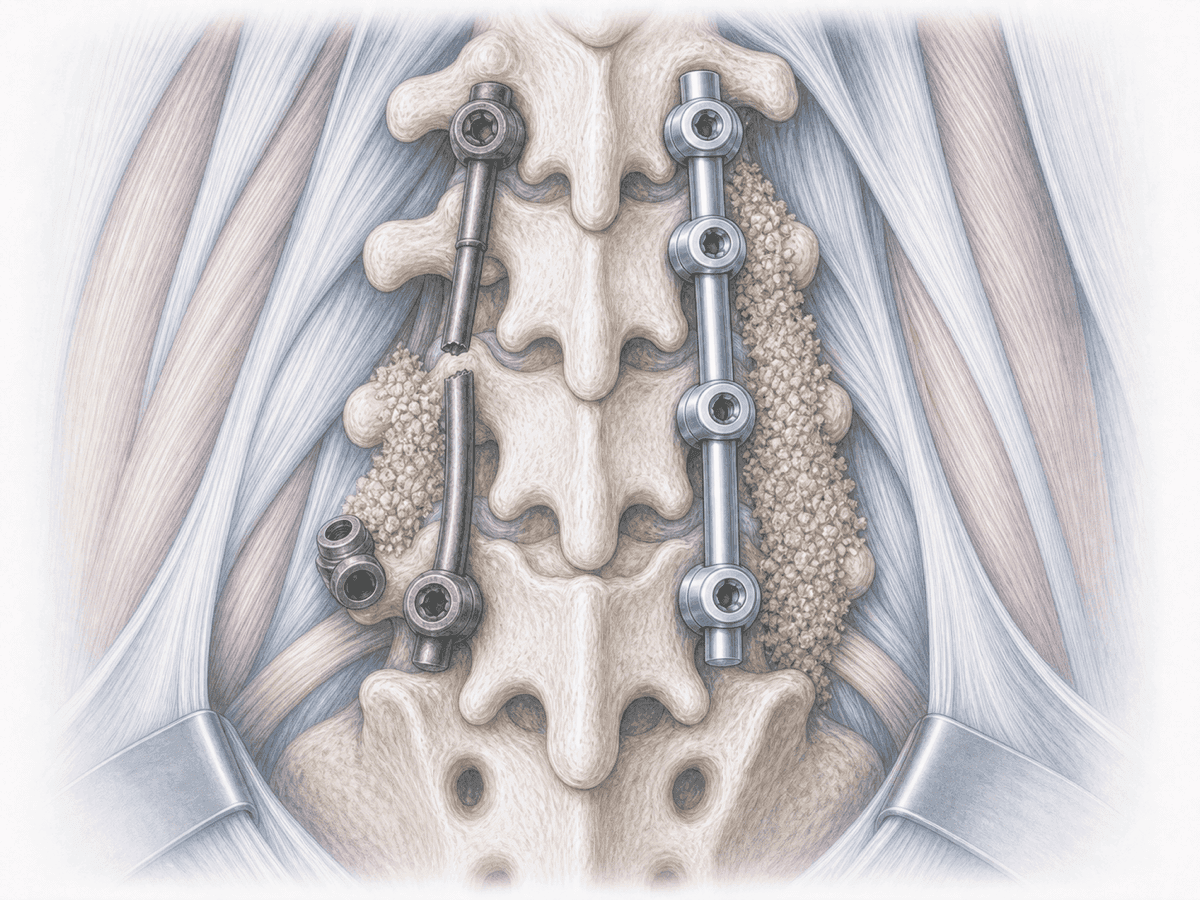
Salvage surgery when screws, rods or cages have broken, loosened or been malpositioned, with persistent mechanical pain or new neurological symptoms. Individualised plan for removal, replacement or re-instrumentation.
If you recognise yourself in some of these symptoms and your pain is starting to limit your daily life, we can review your case in a personalised consultation. Dr. Ben Ghezala will assess your clinical history and imaging studies to help you decide the best treatment option for you.
Request a consultation with Dr. Ben Ghezala