Logo of Dr. Karim Ben Ghezala, spine neurosurgeon
Home
Treatments
AboutBlogContact
ES/EN/DE
Book Appointment
Book Appointment
Home
AboutBlogContact
ES/EN/DE
Logo of Dr. Karim Ben Ghezala, spine neurosurgeon

Neurosurgeon specialized in spinal disorders, with over 20 years of experience in the diagnosis and treatment of complex spine conditions.

NAVIGATION

  • Home
  • Treatments
  • About Dr. Ben Ghezala
  • Blog
  • Contact

TREATMENTS

  • Cervical spine
  • Thoracic spine
  • Lumbar spine
  • General spinal conditions
  • Advanced techniques
  • Pain surgery

CONTACT

  • NeuroKlinik Alicante

    Hospital Vithas Medimar

    Calle Padre Arrupe, 03016 Alicante

    965 26 90 74 (Reception)
    965 16 22 00 (Emergency)
  • Hospital Clínica Benidorm (HCB)

    Avenida Alfonso Puchades 8

    Hospital Clínica Benidorm, 03501 Benidorm

    965 85 38 50 ext. 5520 (Receptionist)
    965 85 38 50 (Emergency)
  • info@neuroklinik.es

The information on this website is for guidance only and does not in any case replace an individual medical assessment. For any decision about your health, always consult a specialist.

© 2026 Dr. Karim Ben Ghezala

Legal noticePrivacy policyCookie policy
Treatment catalogue

Spine treatments in
Alicante and Benidorm

Explore Dr. Karim Ben Ghezala's spine treatments. In each treatment, you will find clear information about its indication, what it involves, and what to expect from the process, with a patient-centered medical approach.

Precise diagnosis
Safe techniques
Fast recovery
Book appointment
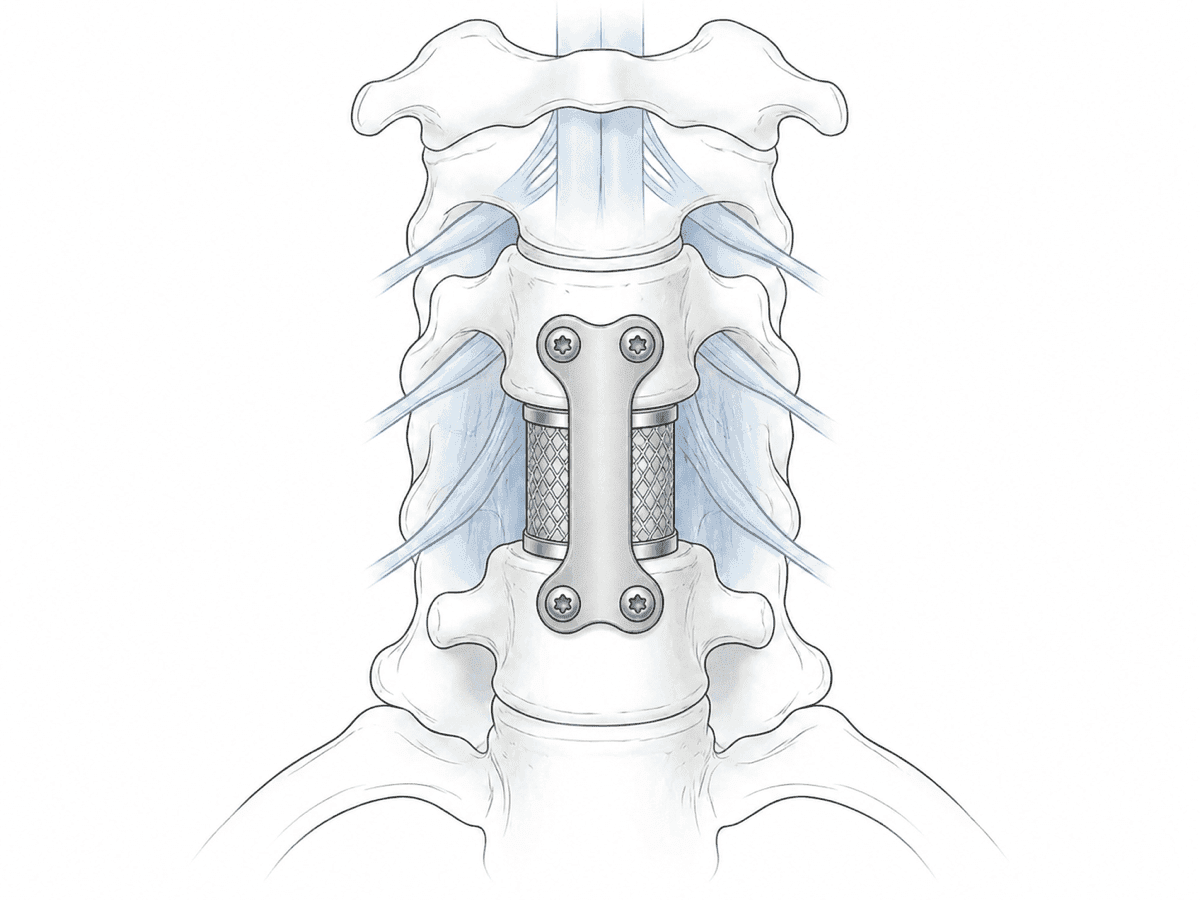
Anatomical illustration of anterior cervical fusion with interbody cage and screw-fixed plate.
Cervical spine

Anterior cervical fusion (interbody fusion with plate)

Anterior cervical surgery to decompress nerves and stabilise a severely degenerated or herniated disc when pain and symptoms persist despite medication, physiotherapy or injections.

View treatment
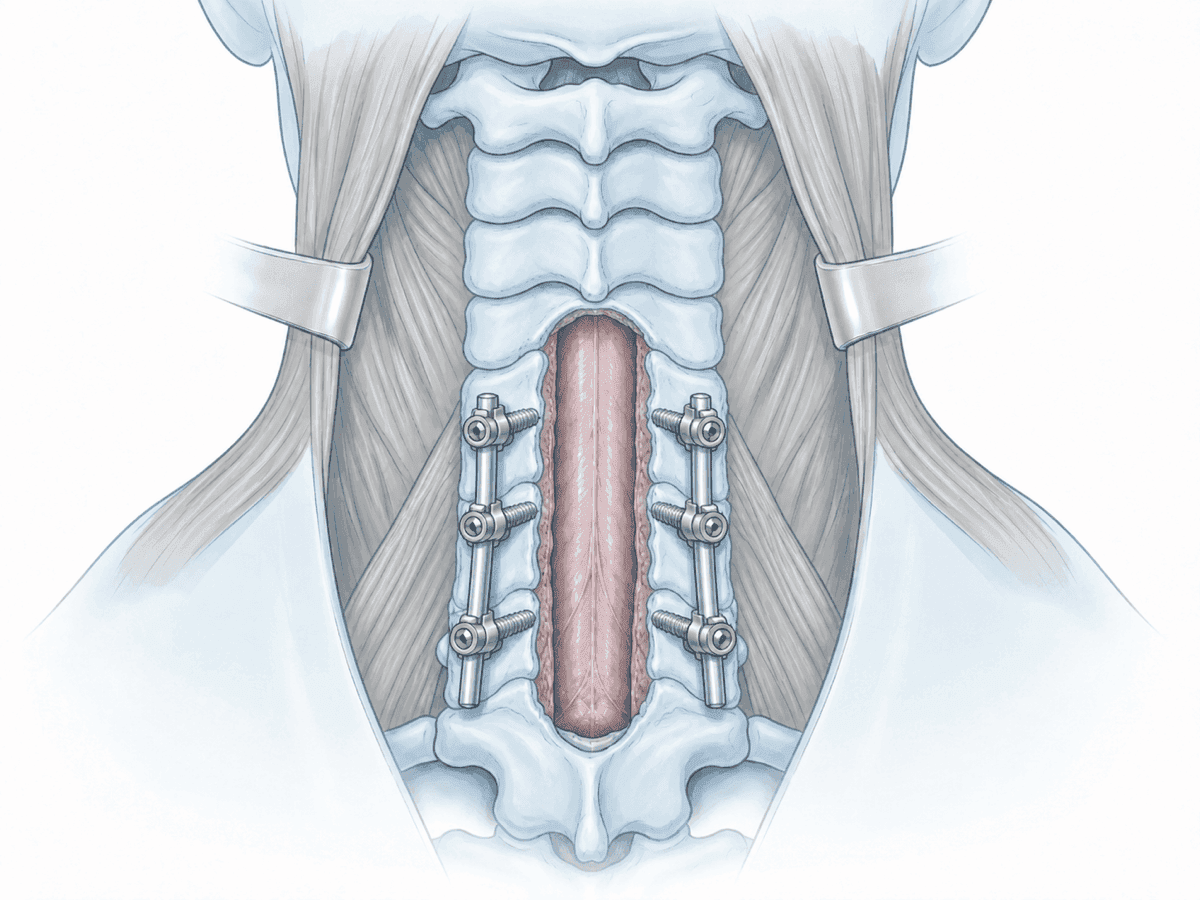
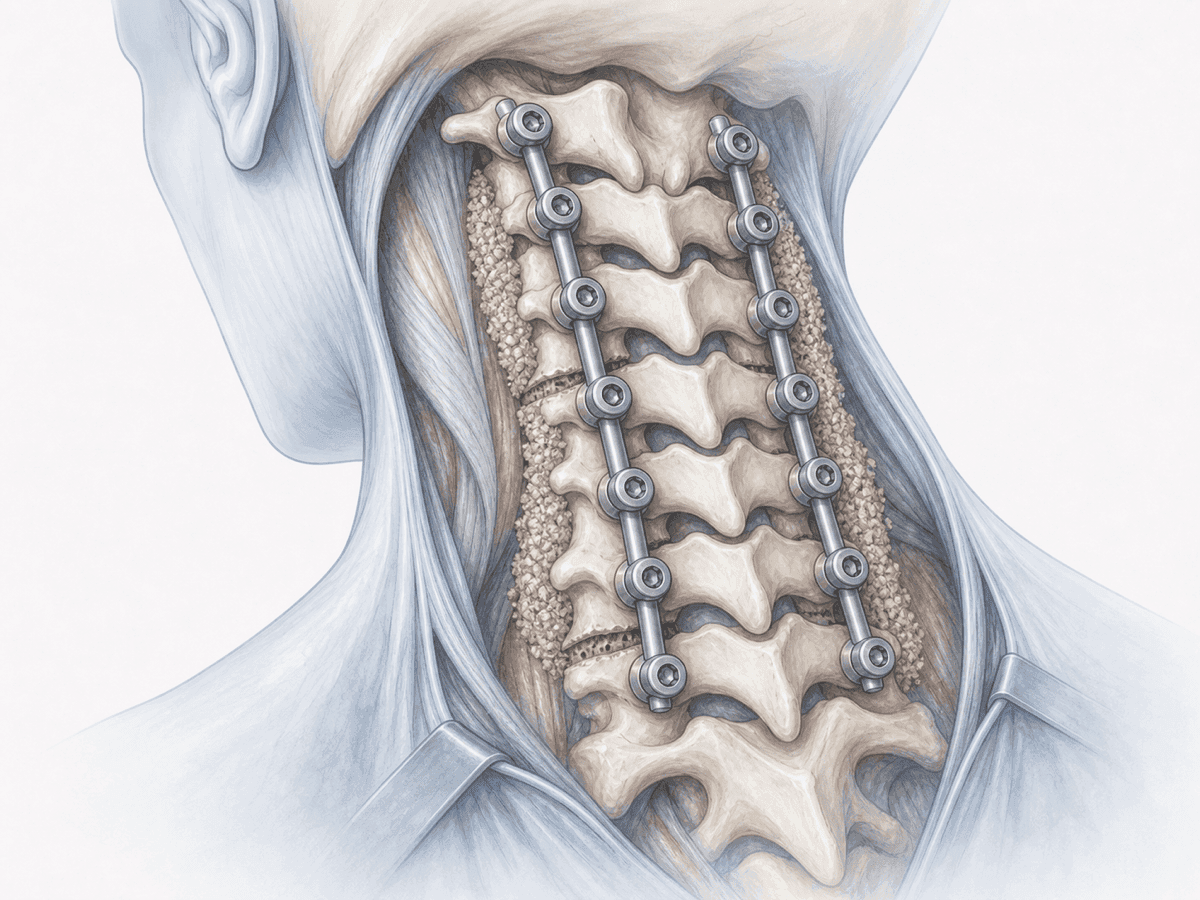
Posterior cervical fusion illustration with lateral mass screws and longitudinal rods.
Cervical spine

Posterior cervical fusion (instrumentation with lateral mass or cervical pedicle screws)

Posterior cervical surgery with screws and rods to decompress and stabilise the spine in patients with pain, instability or cord compression not improved by conservative care.

View treatment
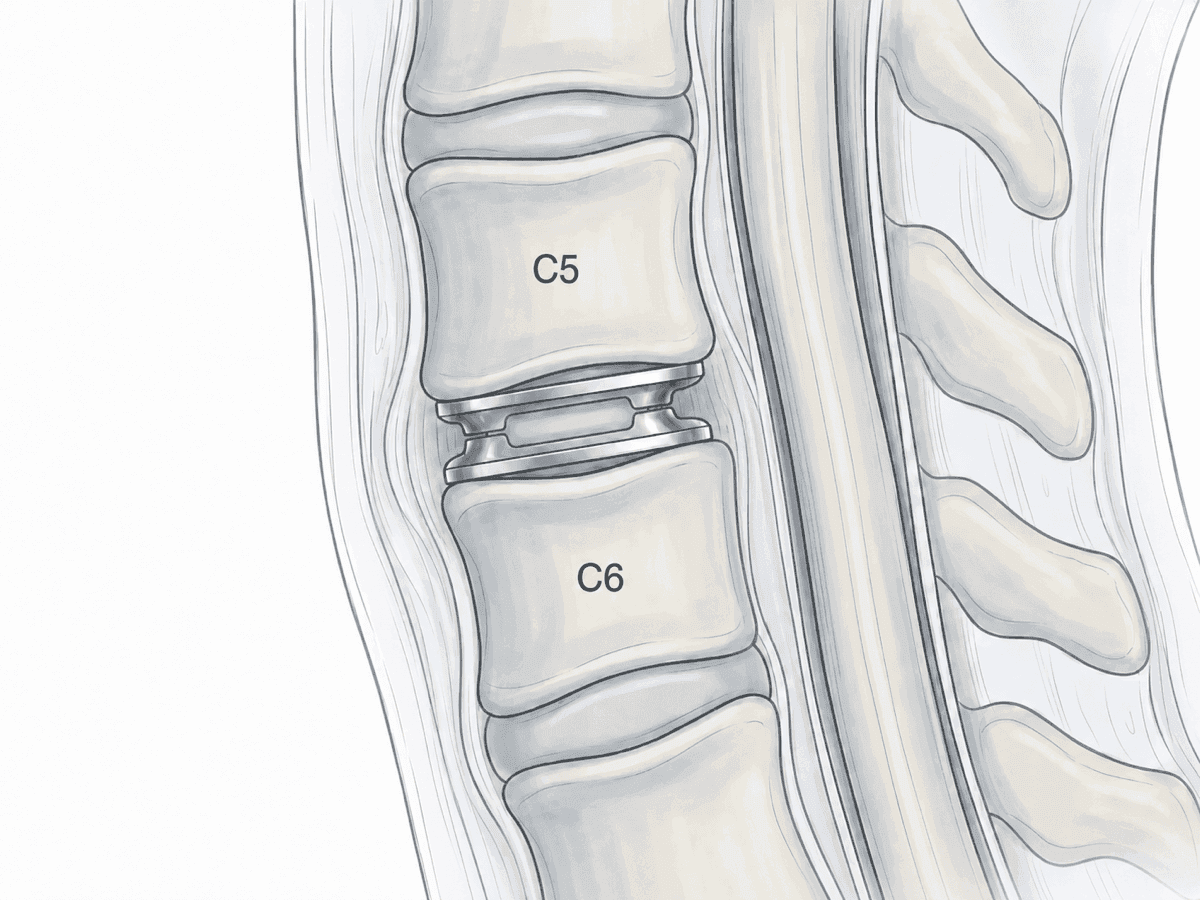
Cervical disc arthroplasty illustration showing motion-preserving disc prosthesis.
Cervical spine

Cervical disc arthroplasty (cervical disc prosthesis)

Surgery that replaces a damaged cervical disc with a mobile prosthesis to relieve nerve compression and preserve motion when conservative care is no longer enough.

View treatment
Cervical corpectomy illustration with structural cage and anterior plate after vertebral body removal.
Cervical spine

Cervical corpectomy (removal of one or more vertebral bodies)

Surgery to widely decompress the cervical spinal cord and nerve roots by removing one or more vertebral bodies when pain, stiffness and neurological symptoms persist despite conservative care.

View treatment
Cervical kyphosis correction illustration showing posterior osteotomies and instrumentation with lateral mass and pedicle screws to realign the neck.
Cervical spine

Cervical kyphosis correction

Cervical realignment surgery to correct kyphosis: combines osteotomies, decompression and instrumentation to restore sagittal balance and relieve symptoms.

View treatment
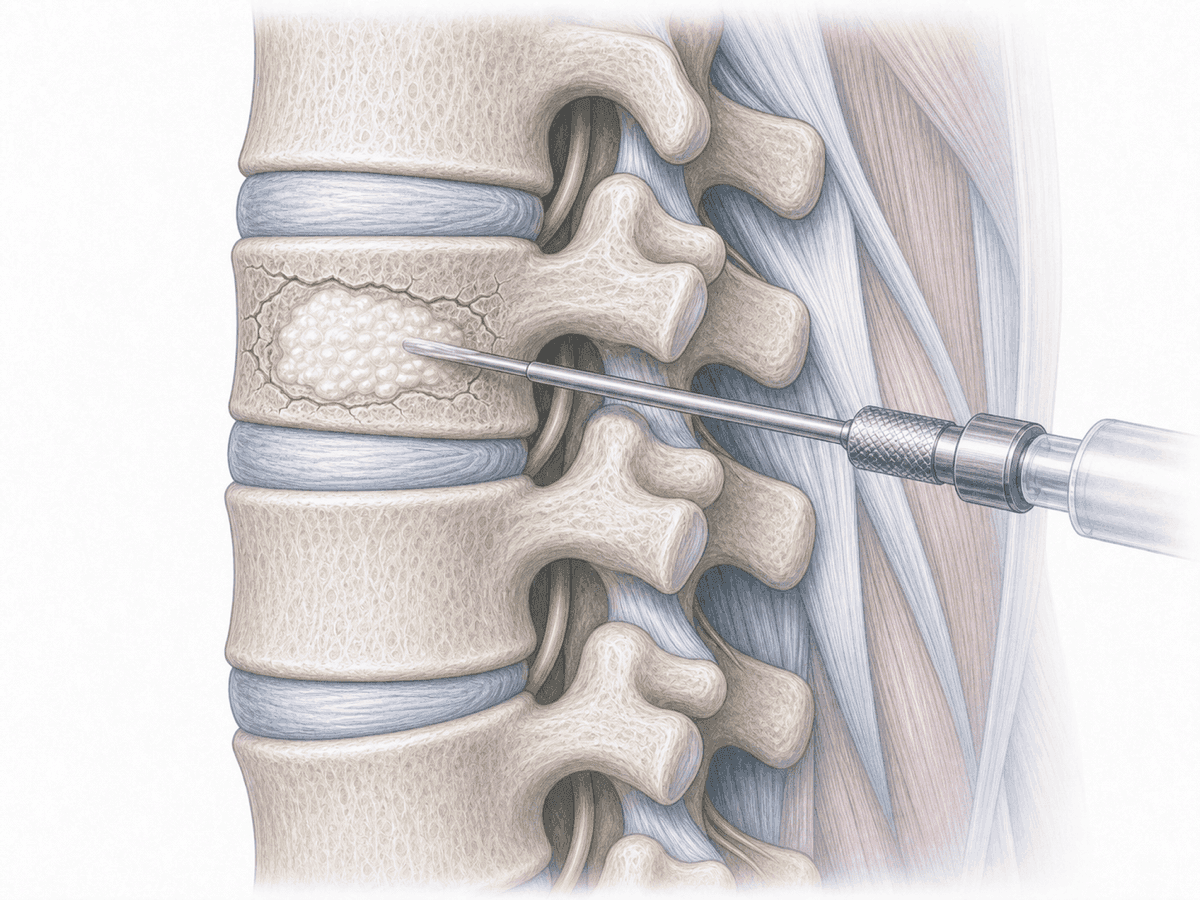
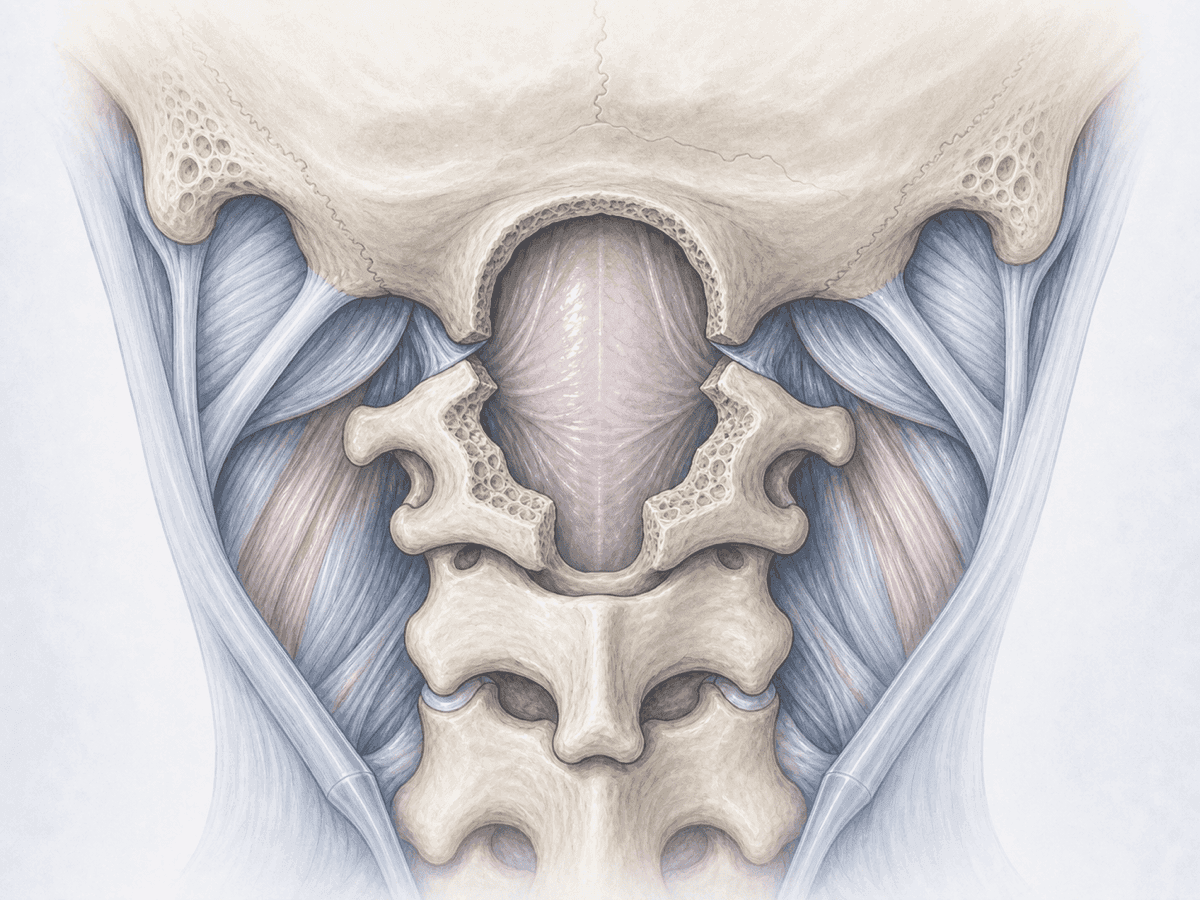
Illustration of craniocervical decompression for Chiari I with suboccipital craniectomy and C1 posterior arch laminectomy.
Cervical spine

Craniocervical decompression for Chiari I

Surgery that enlarges the posterior fossa and frees the craniocervical junction to relieve cough headache and neurological symptoms in Chiari I.

View treatment
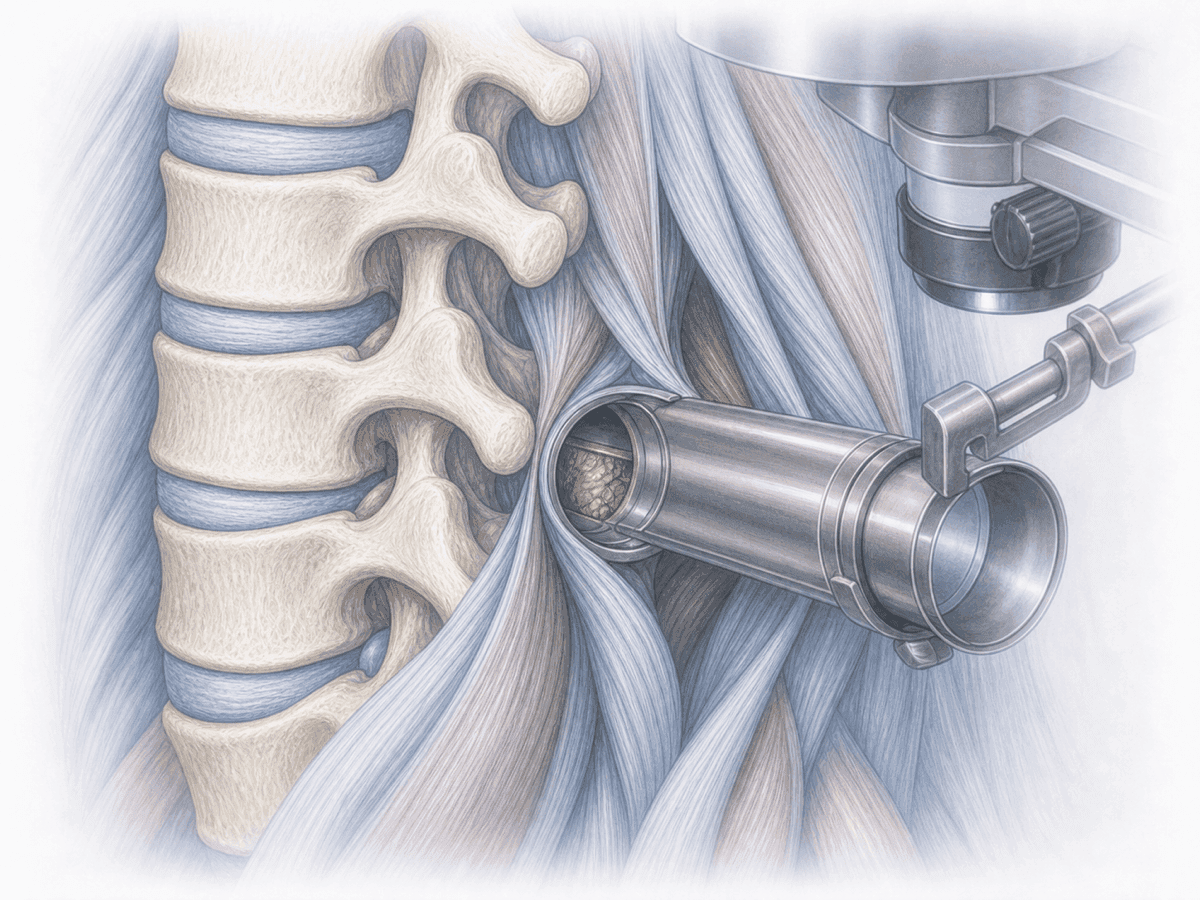
Cervical spinal cord decompression illustration showing the released canal and freed spinal cord.
Cervical spine

Spinal cord decompression for cervical myelopathy

Surgery to relieve spinal cord decompression in cervical myelopathy from stenosis or ossification (OPLL) when symptoms progress despite conservative care.

View treatment
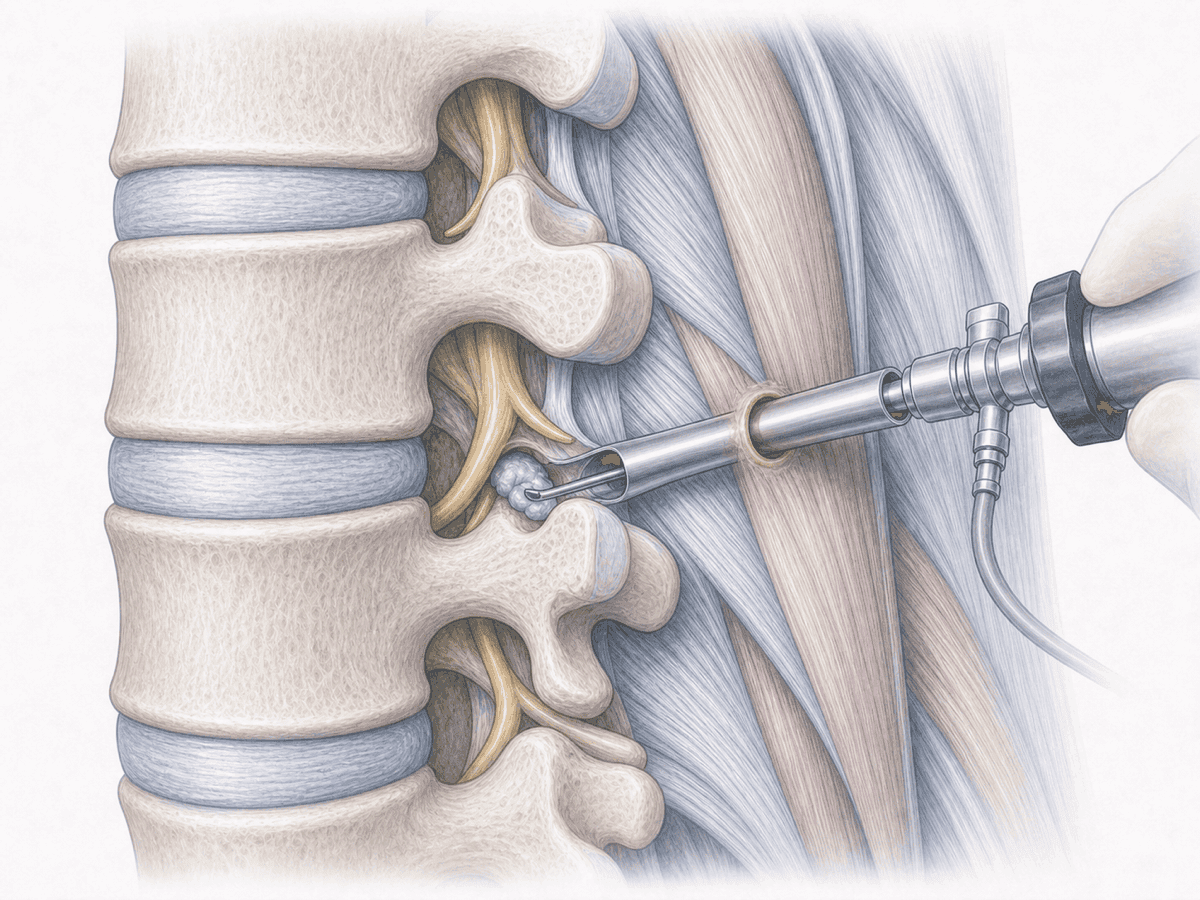
Anterior cervical discectomy and fusion (ACDF) illustration with interbody cage and screw-fixed plate.
Cervical spine

Anterior cervical discectomy and fusion (ACDF)

Anterior cervical surgery that decompresses and stabilises the affected segment to relieve neck pain and neurological symptoms from disc herniation or stenosis.

View treatment
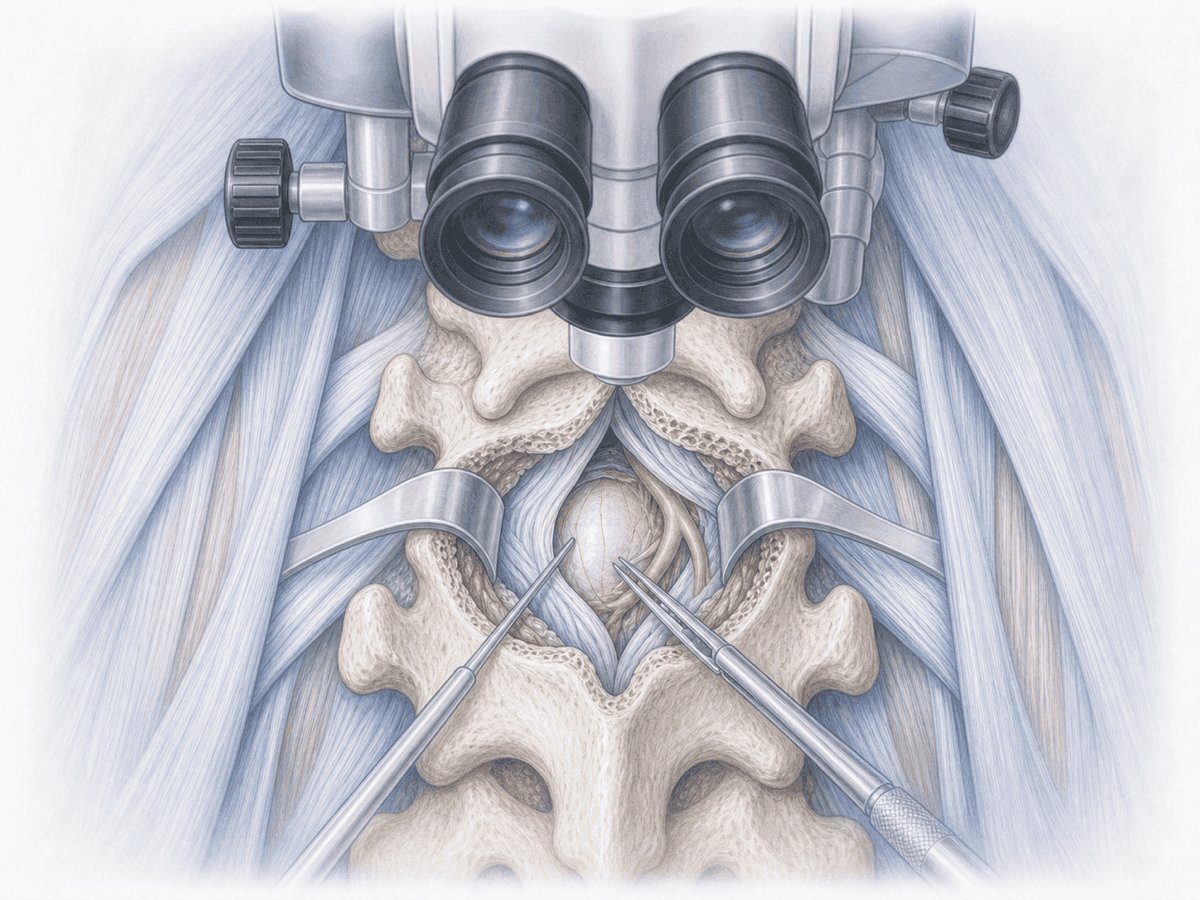
Anatomical illustration of the upper cervical spine with an odontoid fracture stabilised by posterior C1-C2 (Goel-Harms) fixation: lateral mass C1 and pedicle C2 screws connected by titanium rods.
Cervical spine

Stabilization of odontoid and axis (C2) fractures

A fall or a neck blow can fracture the odontoid (the dens of the axis). Some fractures are treated with a collar; others need surgery so the bone heals and the spinal cord stays protected.

View treatment
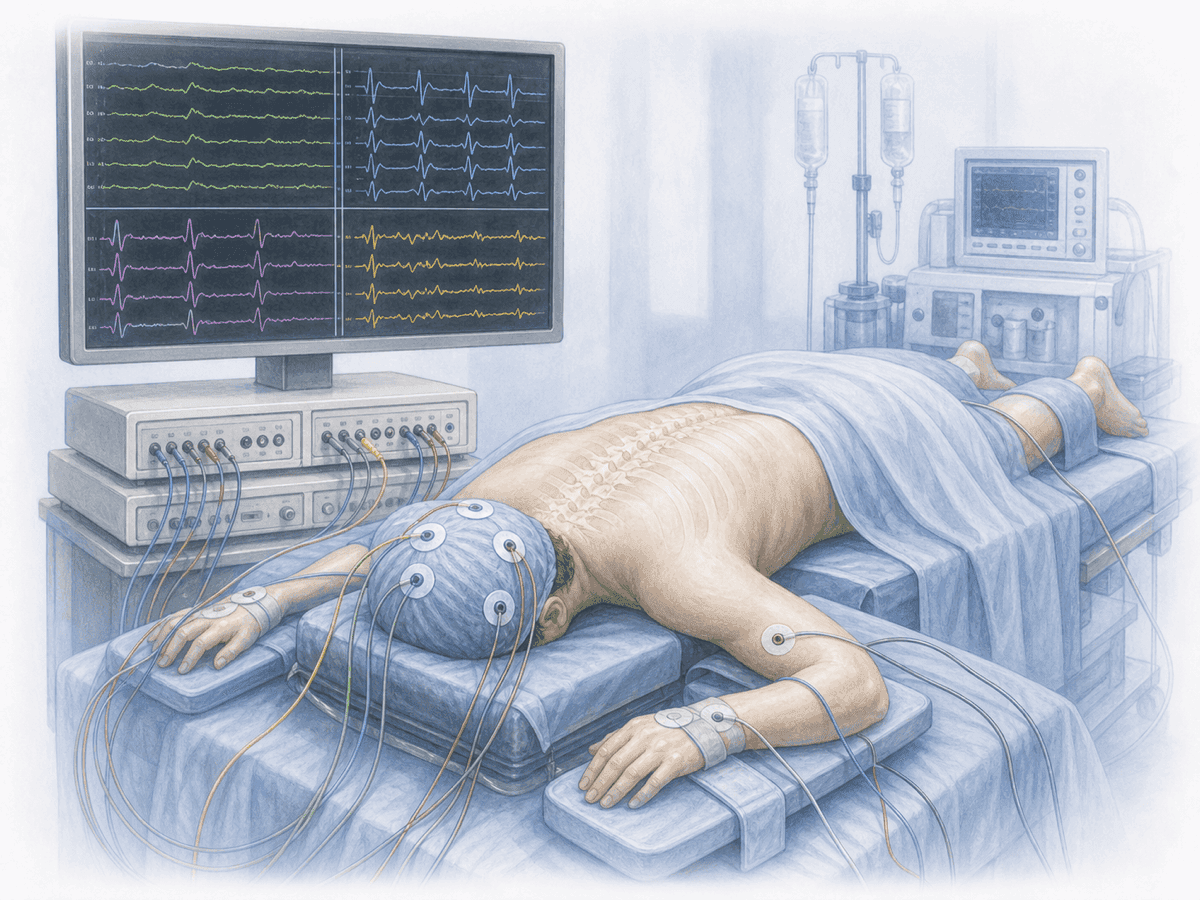
Posterior cervical fixation illustration with lateral mass screws and rods after a post-traumatic ligamentous injury of the cervical spine.
Cervical spine

Post-traumatic cervical instability stabilization

Urgent surgery to stabilize the cervical spine after severe ligamentous injury from a crash, fall or whiplash, with risk of spinal cord damage if left untreated.

View treatment
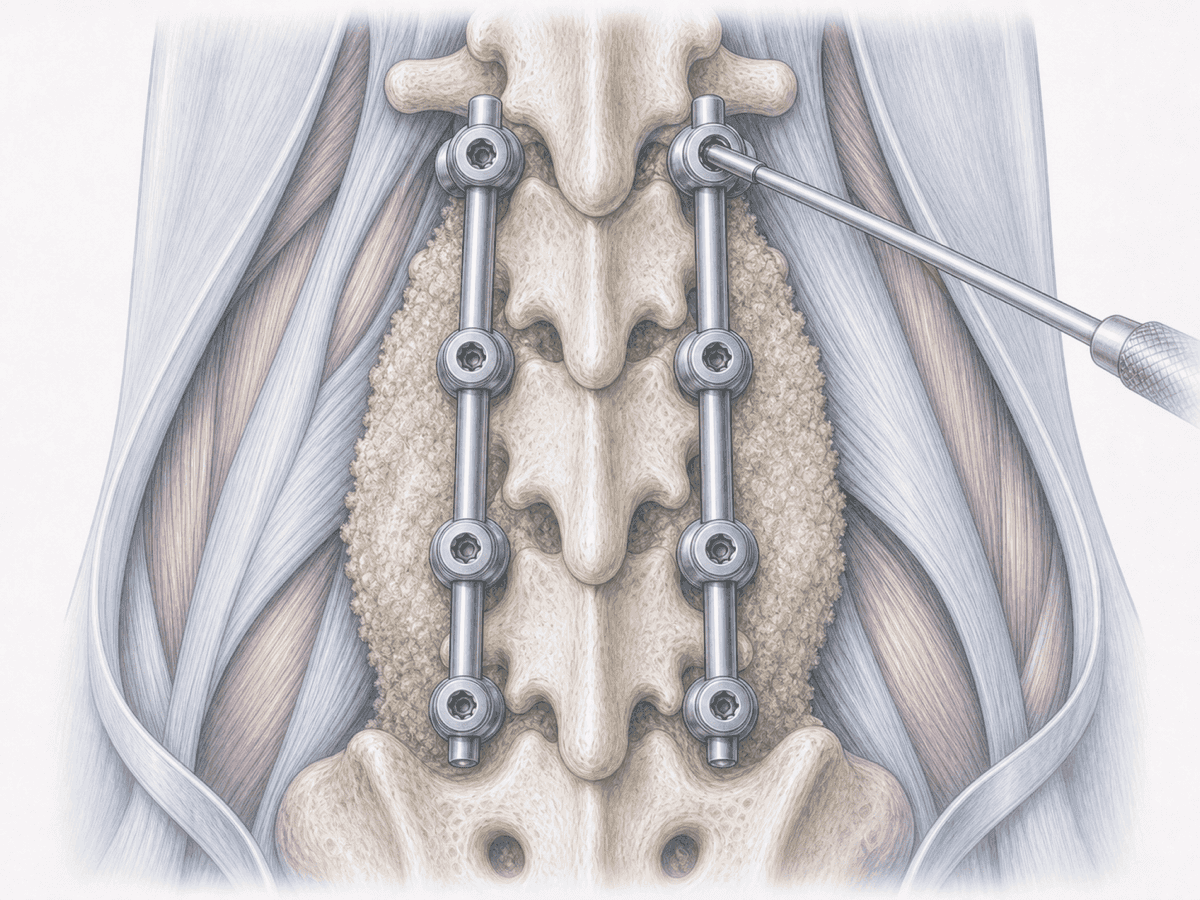
Multilevel cervical decompression illustration enlarging the canal in multisegmental stenosis.
Cervical spine

Multilevel cervical stenosis surgery

Surgery to decompress the cord and roots in patients with a narrow cervical canal at several levels when pain, tingling or gait and hand clumsiness progress despite conservative care.

View treatment
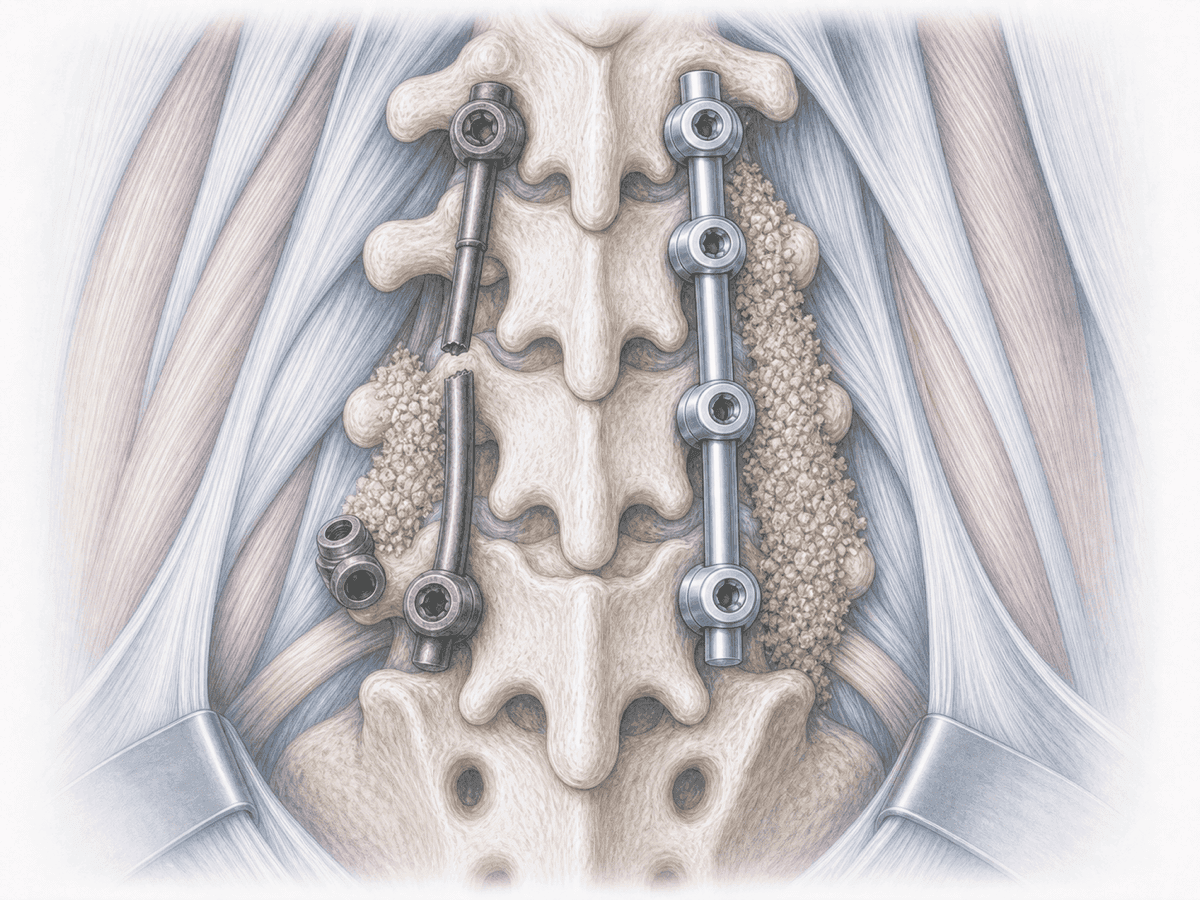
Posterior cervical foraminotomy illustration enlarging the foramen to decompress the nerve root.
Cervical spine

Cervical foraminotomy (anterior or posterior approach)

Focused surgery to widen the cervical foramen and free a compressed nerve root when arm-radiating pain does not improve with conservative care.

View treatment
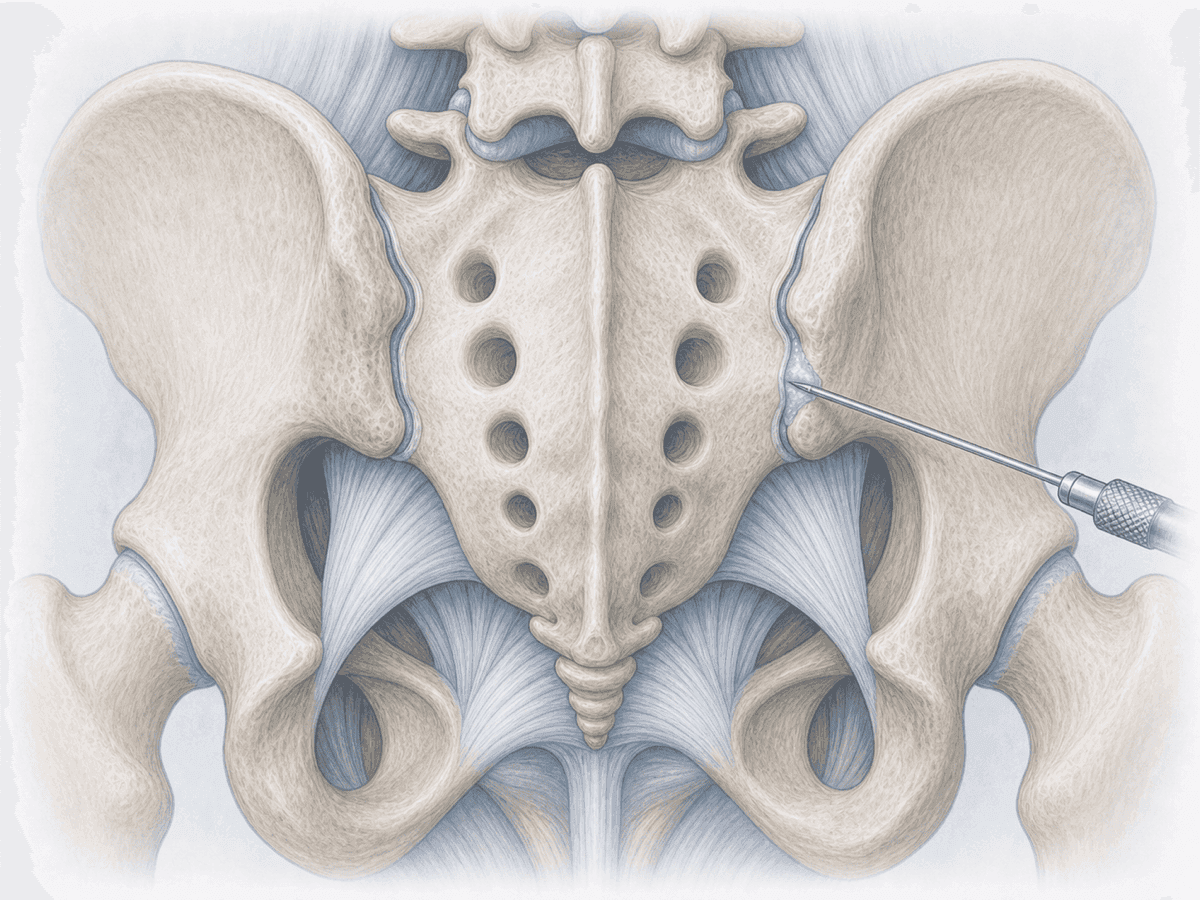
Cervicothoracic fusion illustration with screws and rods connecting lower cervical and upper thoracic vertebrae.
Cervical spine

Cervicothoracic fusion (fixation from lower cervical to thoracic spine)

High-complexity surgery to decompress and stabilise the cervicothoracic junction when pain, deformity or instability persist despite conservative care.

View treatment
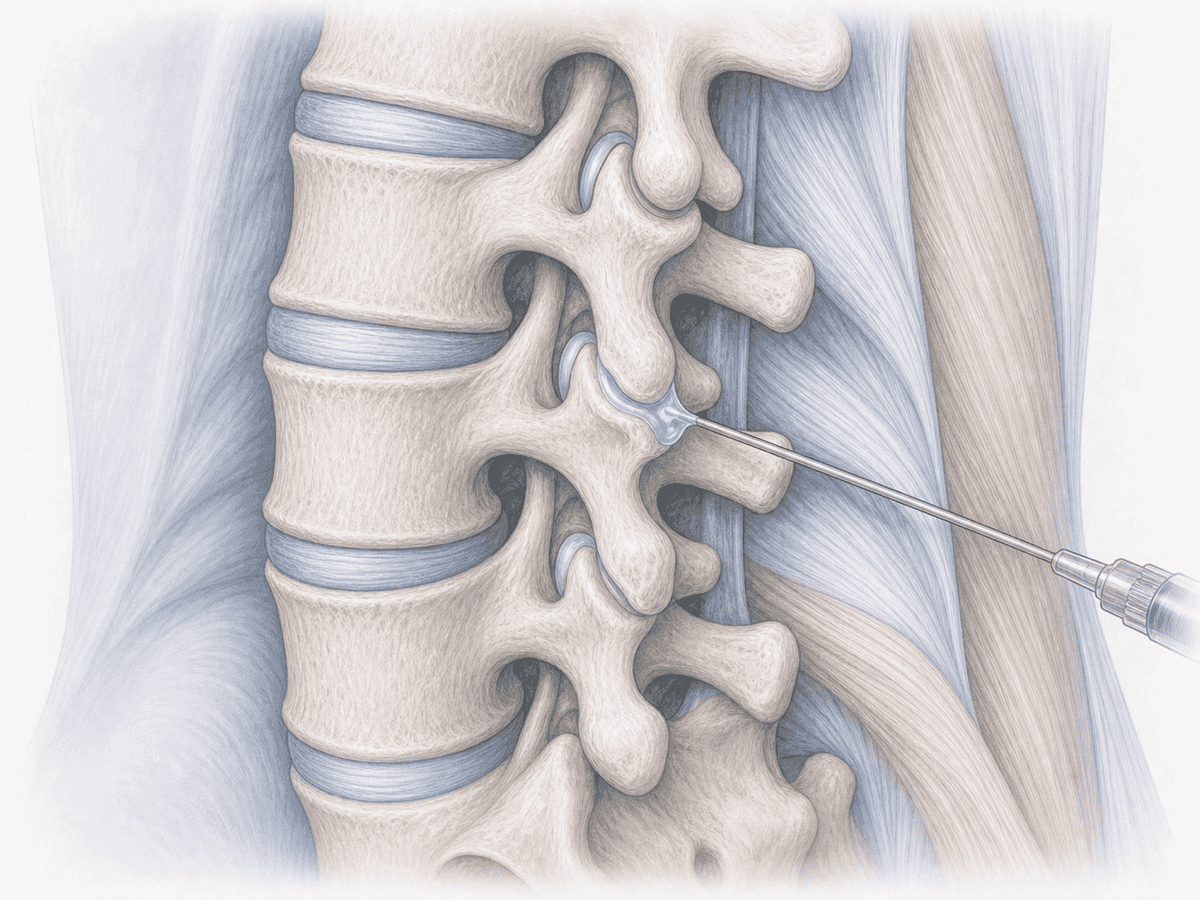
Occipitocervical fusion illustration with occipital plates, C1–C2 screws and rods stabilizing the cranio-cervical junction.
Cervical spine

Occipitocervical fusion (occipital to upper cervical spine)

High-complexity surgery to stabilise the craniocervical junction when severe pain, instability or cord compression persist despite conservative care.

View treatment
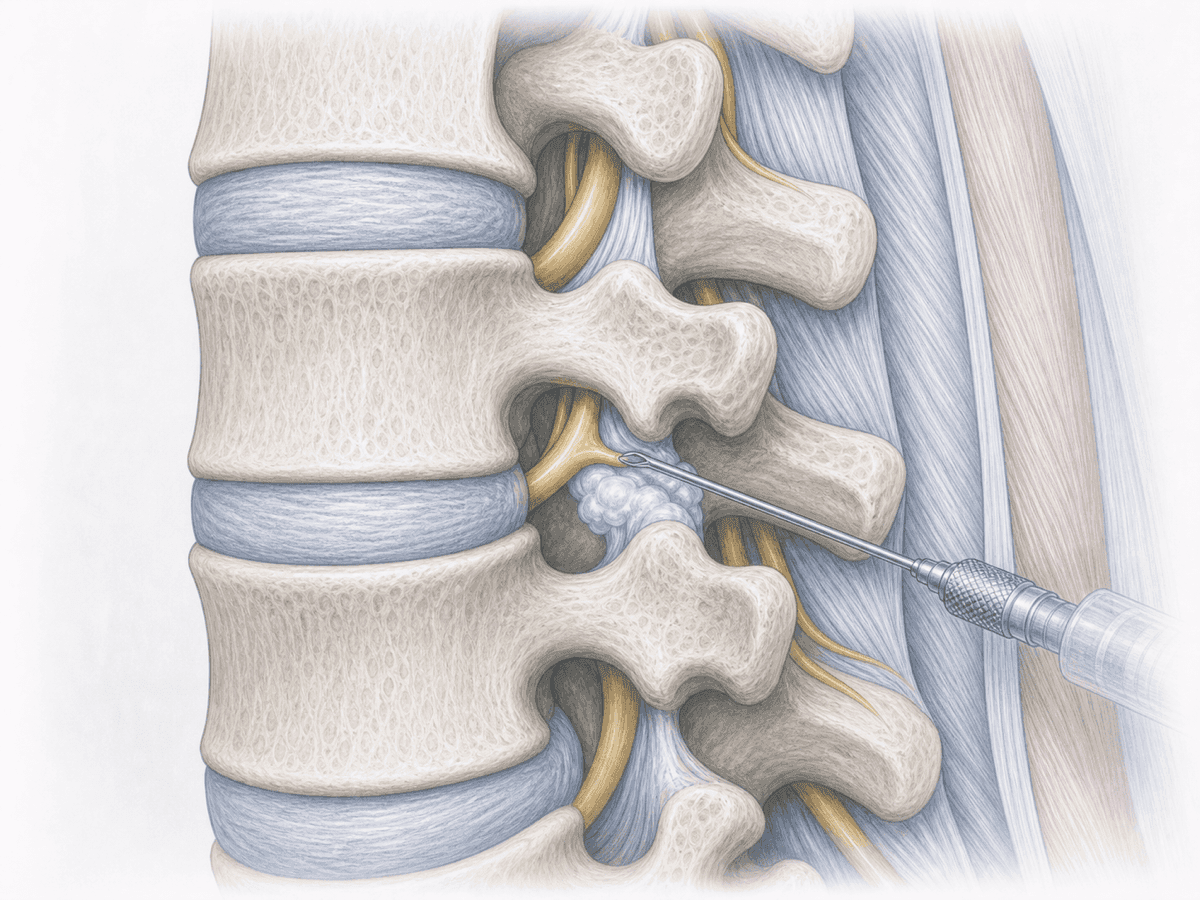
Medical illustration of cervical laminectomy to widen the spinal canal.
Cervical spine

Cervical laminectomy

Posterior surgery that removes part of the lamina to widen the cervical canal and decompress the cord and nerve roots when conservative care is no longer enough.

View treatment
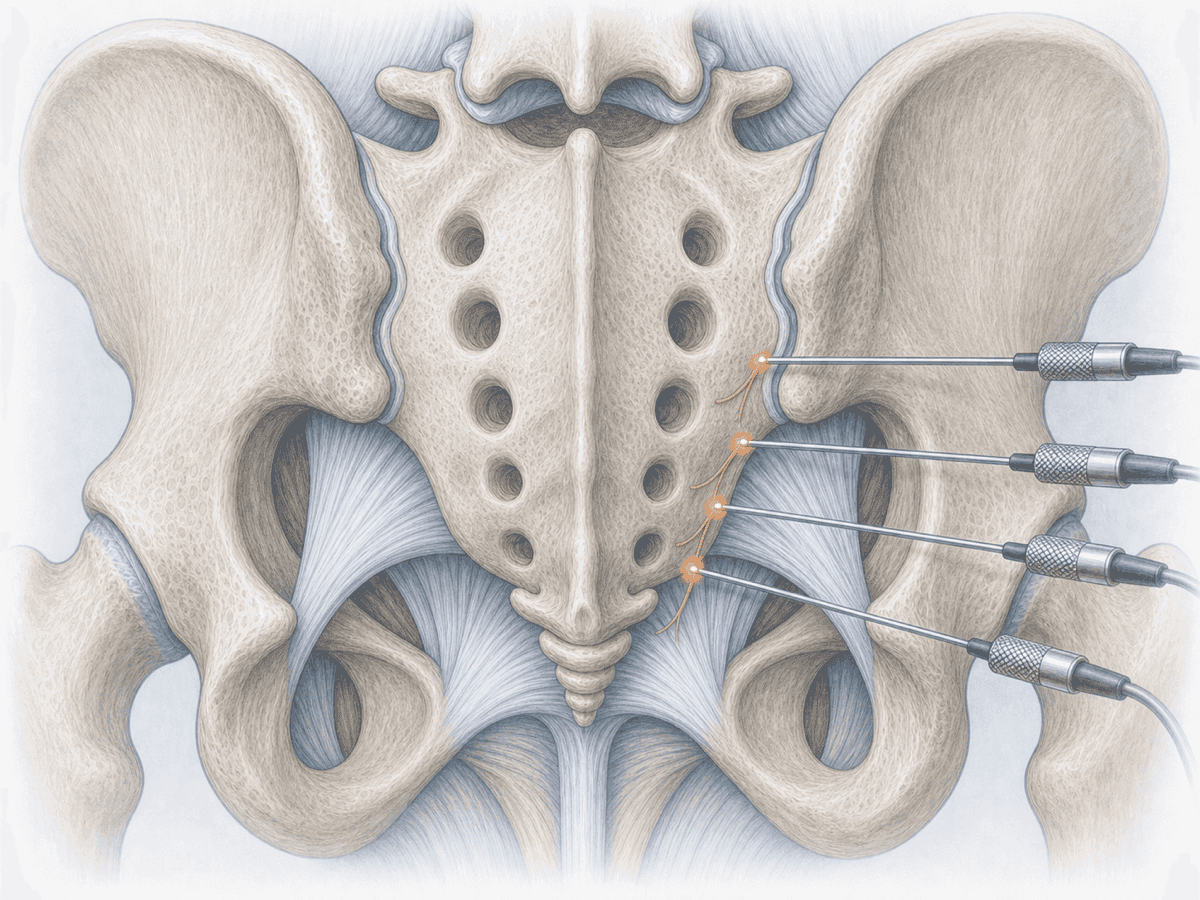
Illustrated schematic of cervical laminoplasty to widen the spinal canal.
Cervical spine

Expansive cervical laminoplasty

Posterior surgery that opens and expands the cervical canal to decompress the spinal cord in multilevel stenosis, aiming to preserve stability and motion when conservative care is no longer enough.

View treatment
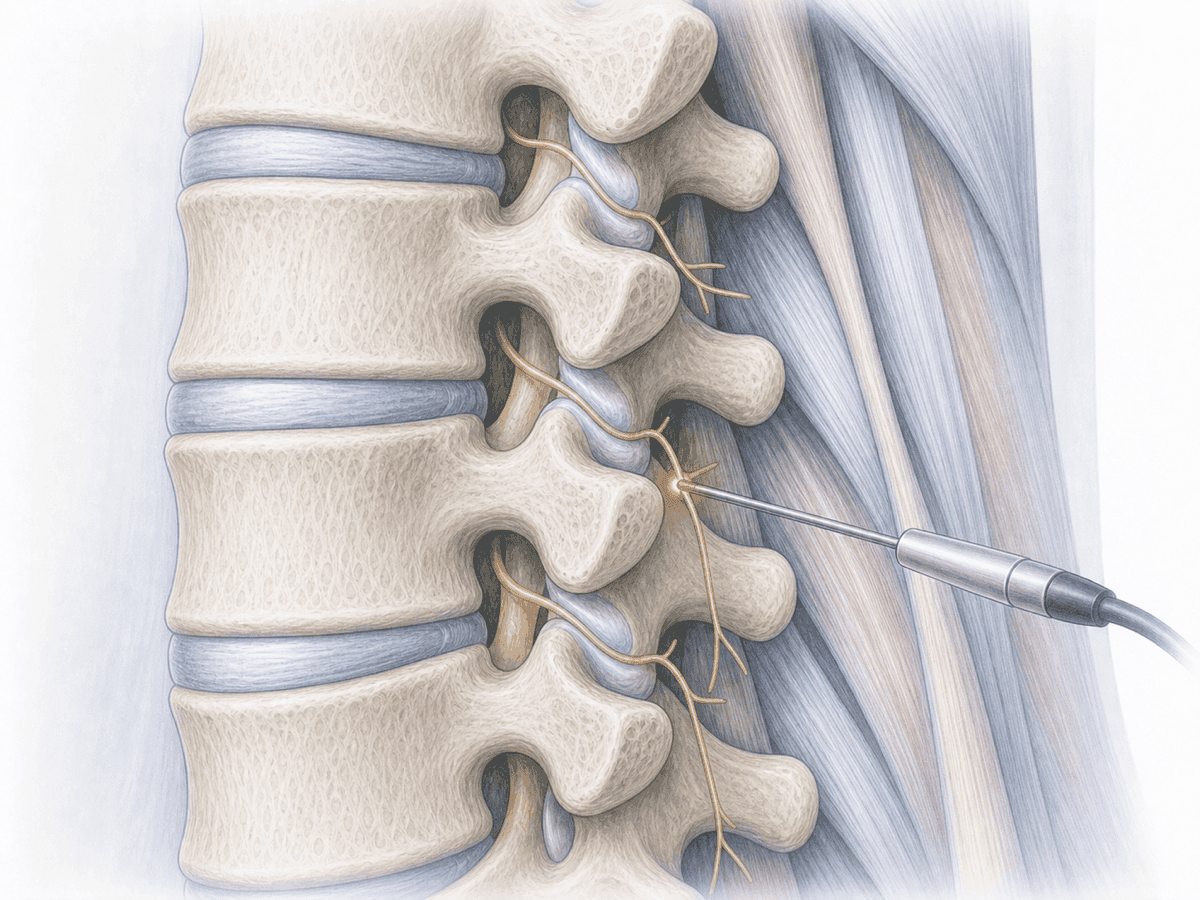
Illustration of cervical revision surgery with posterior reinforcement after a failed anterior fusion and pseudarthrosis.
Cervical spine

Revision of failed cervical fusion (cervical pseudarthrosis)

Salvage surgery for a cervical fusion that has not consolidated or whose hardware has loosened, with persistent pain or new neurological symptoms. Individualised planning by anterior, posterior or combined approach.

View treatment

Do these symptoms sound familiar?

If you recognise yourself in some of these symptoms and your pain is starting to limit your daily life, we can review your case in a personalised consultation. Dr. Ben Ghezala will assess your clinical history and imaging studies to help you decide the best treatment option for you.

Request a consultation with Dr. Ben Ghezala