Anterior cervical discectomy and fusion (ACDF)
Anterior cervical discectomy and fusion (ACDF) is a surgical procedure designed to relieve neck pain and neurological symptoms caused by a cervical disc herniation or stenosis compressing a nerve root or the spinal cord. Many patients look to this option after persistent, limiting pain, weakness or functional loss that does not improve with physiotherapy, medication or injections. This guide provides realistic, supportive information through each phase so you can make a calm, informed decision.
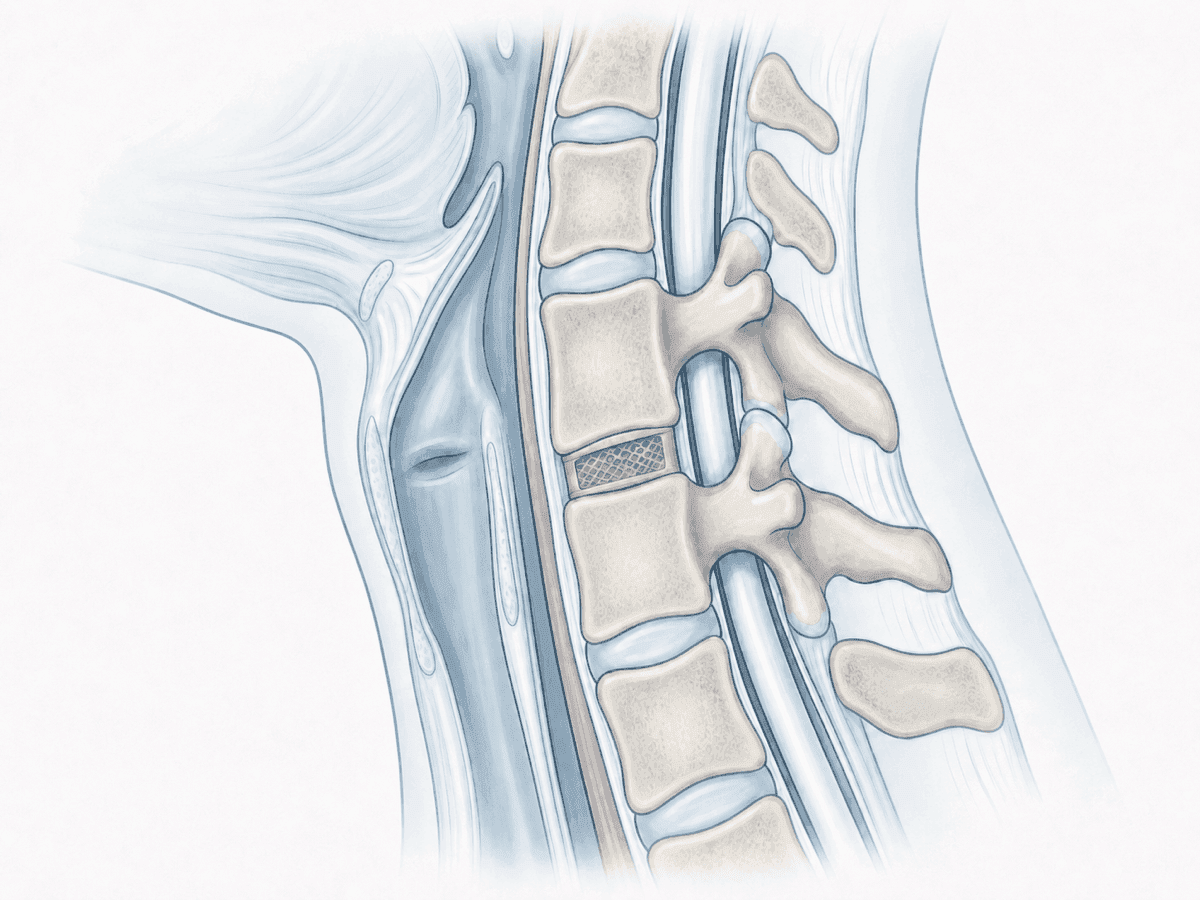
What is anterior cervical discectomy and fusion (ACDF)?
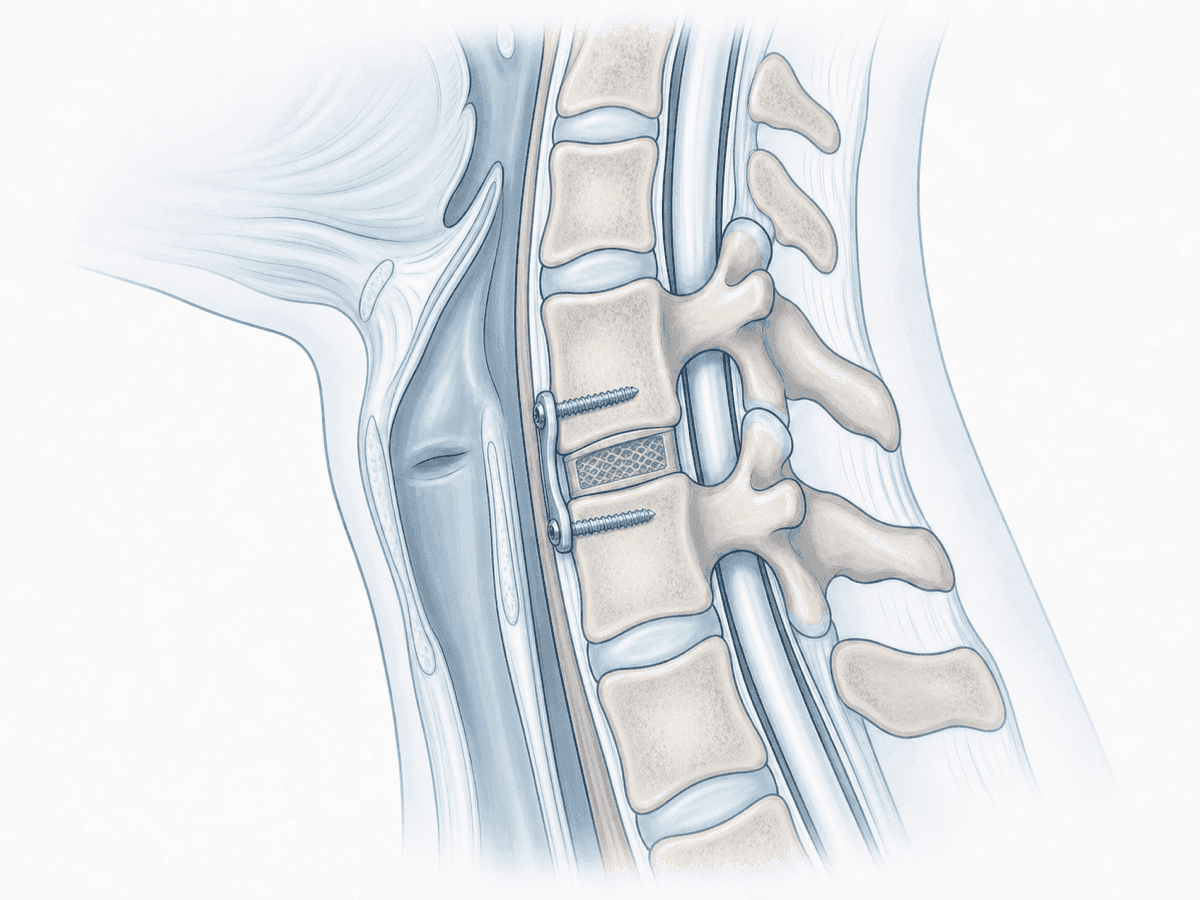
ACDF is a surgical procedure in which the damaged cervical disc is removed through an anterior approach to the neck. After disc removal, an interbody graft or cage is placed, often fixed with a plate and screws, to stabilise the spine and promote fusion of the treated segment.
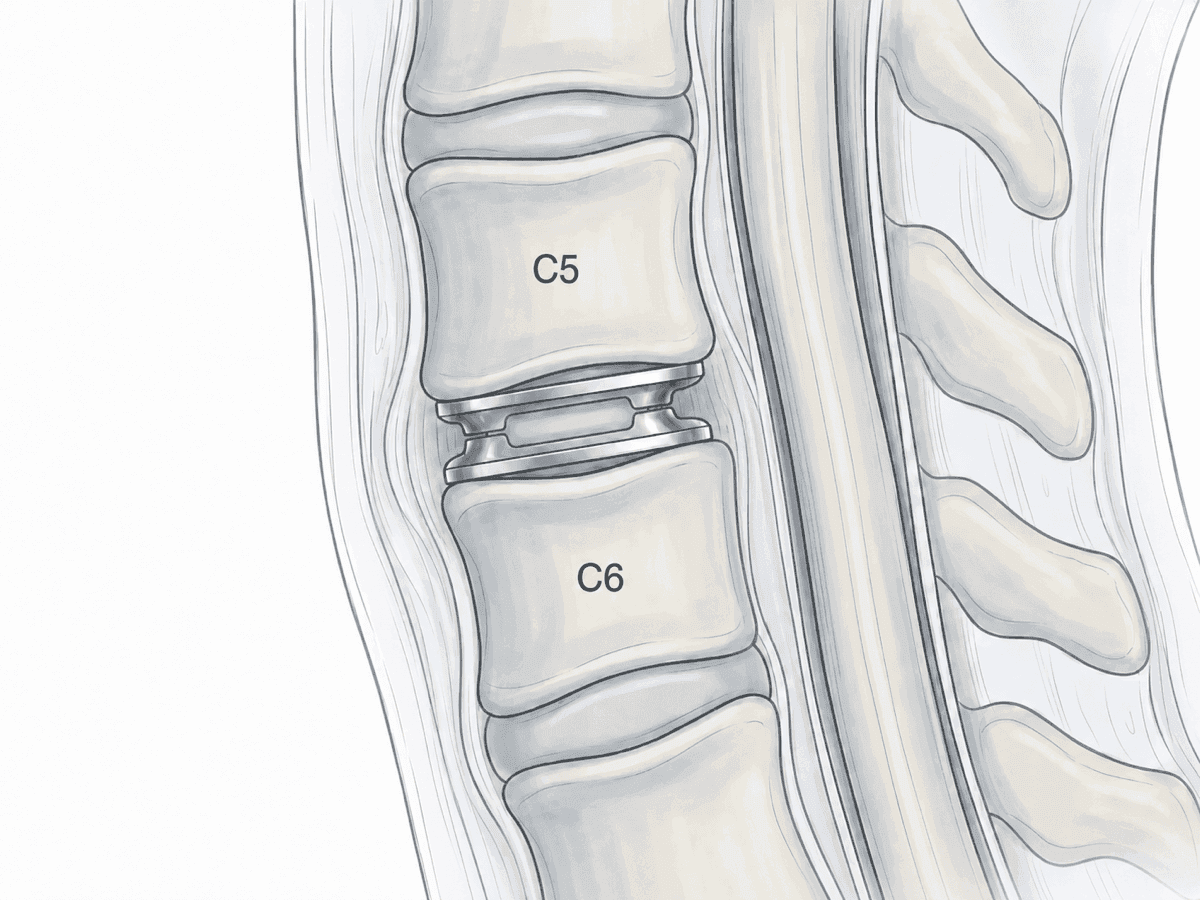
Compared to other cervical procedures such as disc arthroplasty, ACDF not only decompresses the nerve root or spinal cord but also stabilises the treated level, making it especially useful in advanced degeneration or instability. To discuss your specific case, you can request an assessment with Dr. Ben Ghezala.
Symptoms and warning signs
Patients who may benefit from ACDF typically report:
When is this procedure indicated?
How is the procedure performed?
1.Preoperative preparation
Includes clinical assessment, imaging review and addressing patient concerns. Fasting instructions, medication adjustments and tailored preoperative recommendations are provided.
2.During the procedure
ACDF is performed through an anterior approach. The damaged disc is removed, the nerve root or spinal cord is decompressed and an interbody graft or cage is placed. A plate with screws is then fixed to stabilise the segment and promote bony fusion.
3.Immediate postoperative period
After surgery, patients spend a short time in recovery before returning to their room. Pain control is monitored and gentle mobilisation begins. Hospital stay is typically 24–48 hours depending on clinical progress.
Recovery after anterior cervical discectomy and fusion (ACDF)
Recovery is gradual. Light daily activity is usually possible within a few days, and office work is often resumed in 2–4 weeks. Physical jobs require additional time.
Fusion develops over several months, so avoiding heavy strain early on is important. Rehabilitation, ergonomic habits and medical follow-up shape the outcome. Fever, severe pain or new neurological symptoms warrant prompt medical review.
Risks and possible complications
General surgical risks include infection, bleeding, anaesthesia-related issues and thrombosis.
Specific risks of ACDF include nerve root injury, oesophageal or tracheal injury (uncommon), temporary swallowing difficulty, non-union (pseudarthrosis) or accelerated degeneration of adjacent levels. These risks are assessed individually for each patient.
Frequently asked questions
Other related treatments
Read more on the blog


Do these symptoms sound familiar?
If you recognise yourself in some of these symptoms and your pain is starting to limit your daily life, we can review your case in a personalised consultation. Dr. Ben Ghezala will assess your clinical history and imaging studies to help you decide the best treatment option for you.
Request a consultation with Dr. Ben Ghezala