Cervical microdiscectomy
Cervical microdiscectomy in Alicante is a minimally invasive procedure designed to relieve neck pain and arm symptoms caused by a cervical disc herniation or nerve compression. Many patients consider this surgery after persistent pain, reduced mobility or neurological symptoms that do not improve with conservative treatments.
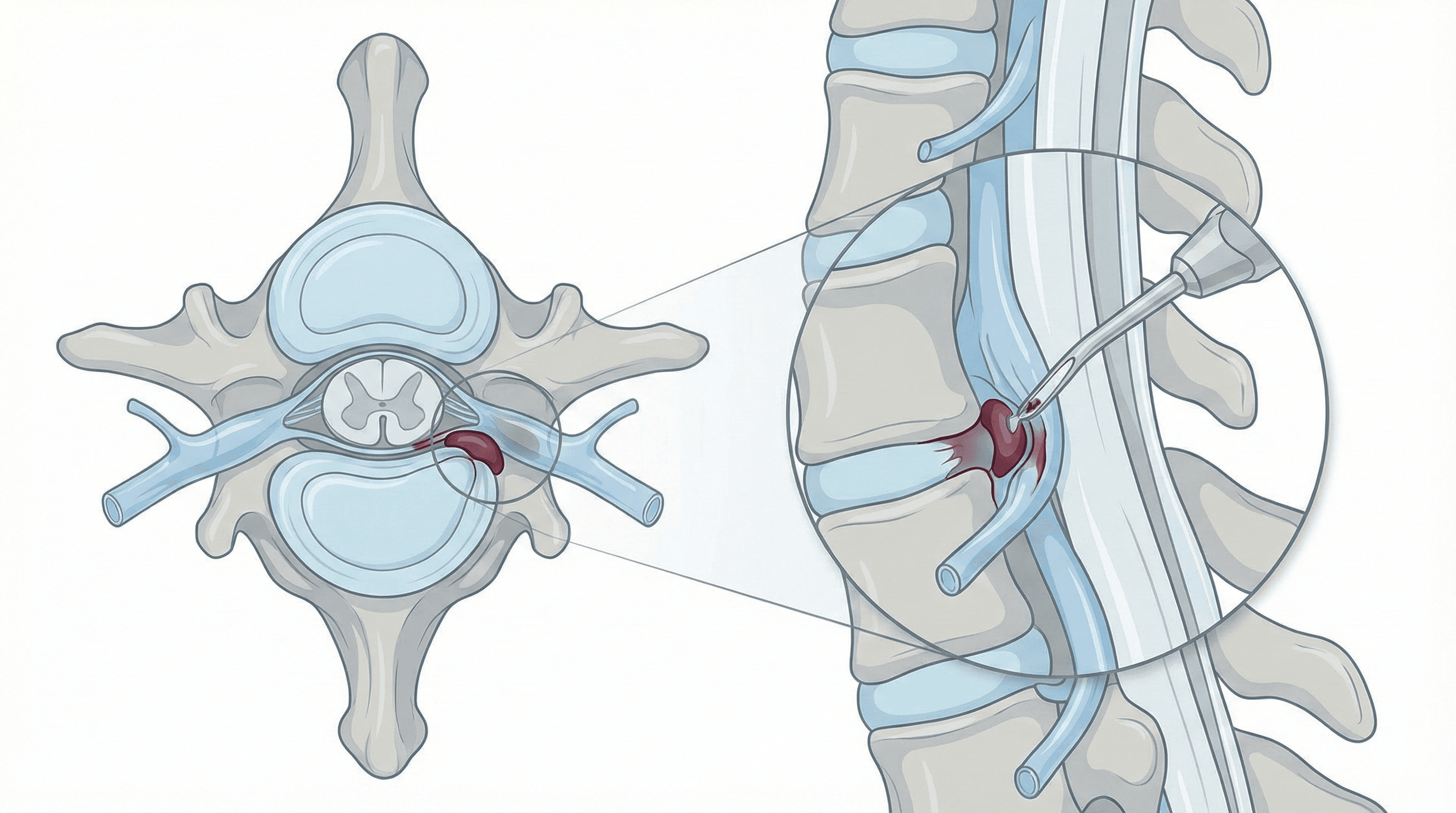
What is cervical microdiscectomy?
Cervical microdiscectomy is a minimally invasive surgical procedure used to remove the portion of a cervical disc that is compressing a nerve root or the spinal cord. Using a surgical microscope, the surgeon accesses the affected disc with precision, reducing trauma to surrounding tissues. Unlike other procedures such as cervical discectomy ACDF or cervical disc arthroplasty involving implants or fusion, cervical microdiscectomy focuses solely on decompressing the nervous structures responsible for pain and neurological symptoms. For more information, you can contact us or learn more about Dr. Ben Ghezala.
Symptoms and warning signs
Patients who may benefit from this treatment typically experience the following symptoms:
When is this procedure indicated?
How is the procedure performed?
1.Preoperative preparation
A full clinical evaluation is performed, including imaging review and patient counselling. Fasting, medication adjustments and preoperative guidelines are provided.
2.During the procedure
Cervical microdiscectomy is performed through a minimally invasive approach. Using a surgical microscope, the surgeon removes the herniated disc fragment compressing the nerve root or spinal cord. The goal is to decompress the neural structures while preserving surrounding tissues.
3.Immediate postoperative period
After surgery, patients spend a short period in the recovery area. Pain control is usually effective, and early mobilisation is encouraged. Most patients stay in the hospital for 24–48 hours depending on recovery.
Recovery after cervical microdiscectomy
Recovery is gradual. Many patients resume light daily activity within a few days and office work within 2–3 weeks. Physical jobs may require additional time. Rehabilitation, guided exercises and ergonomic habits play a key role. Medical follow-up is important to monitor progress and identify warning signs such as fever, increased pain or neurological changes.
Risks and possible complications
General surgical risks include infection, bleeding, anaesthesia-related issues and thrombosis. Specific risks of cervical microdiscectomy include nerve root injury, cerebrospinal fluid leak, cervical instability or disc herniation recurrence. The decision to operate is made individually after weighing risks and benefits.
Frequently asked questions
Other related treatments
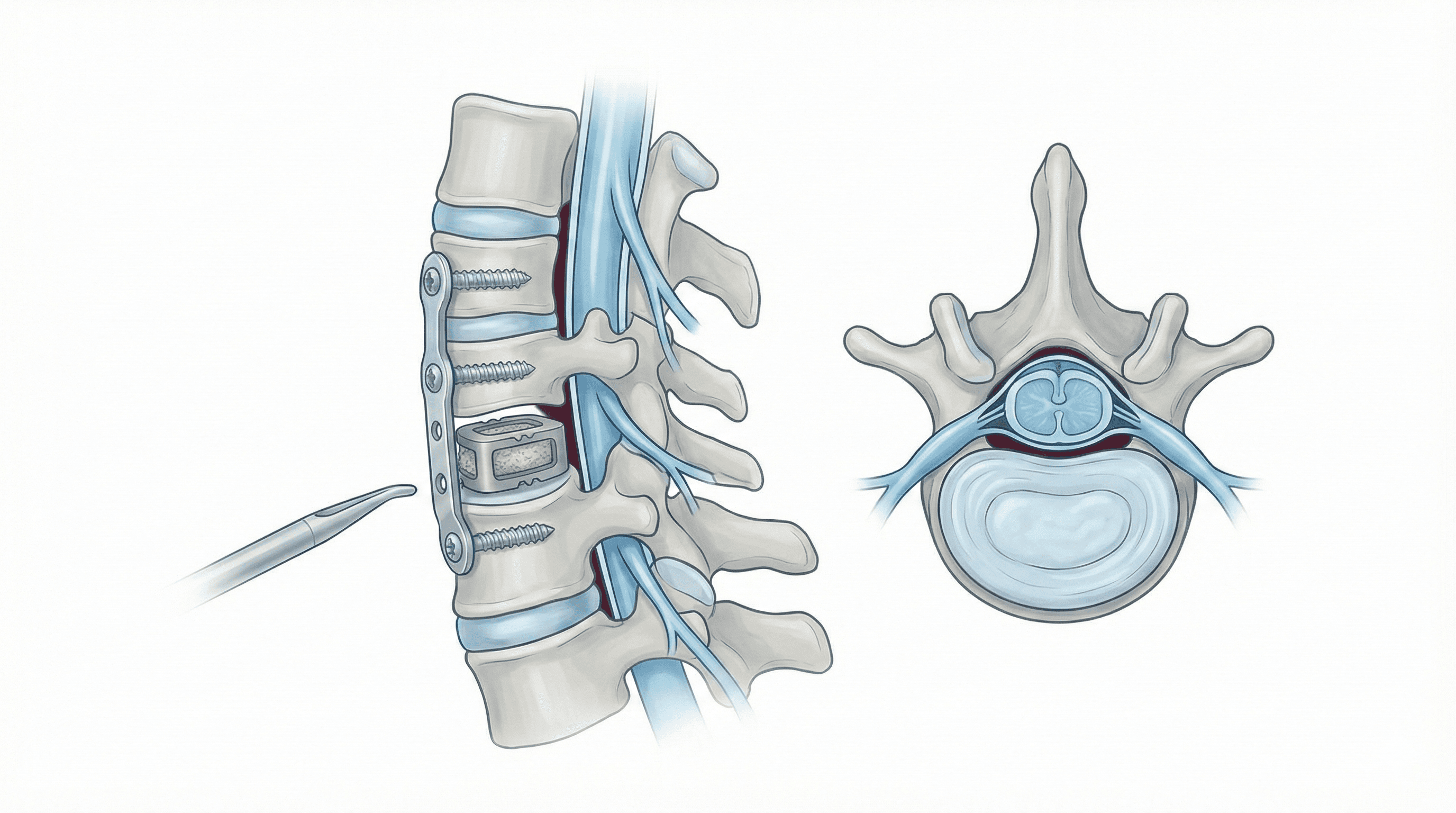
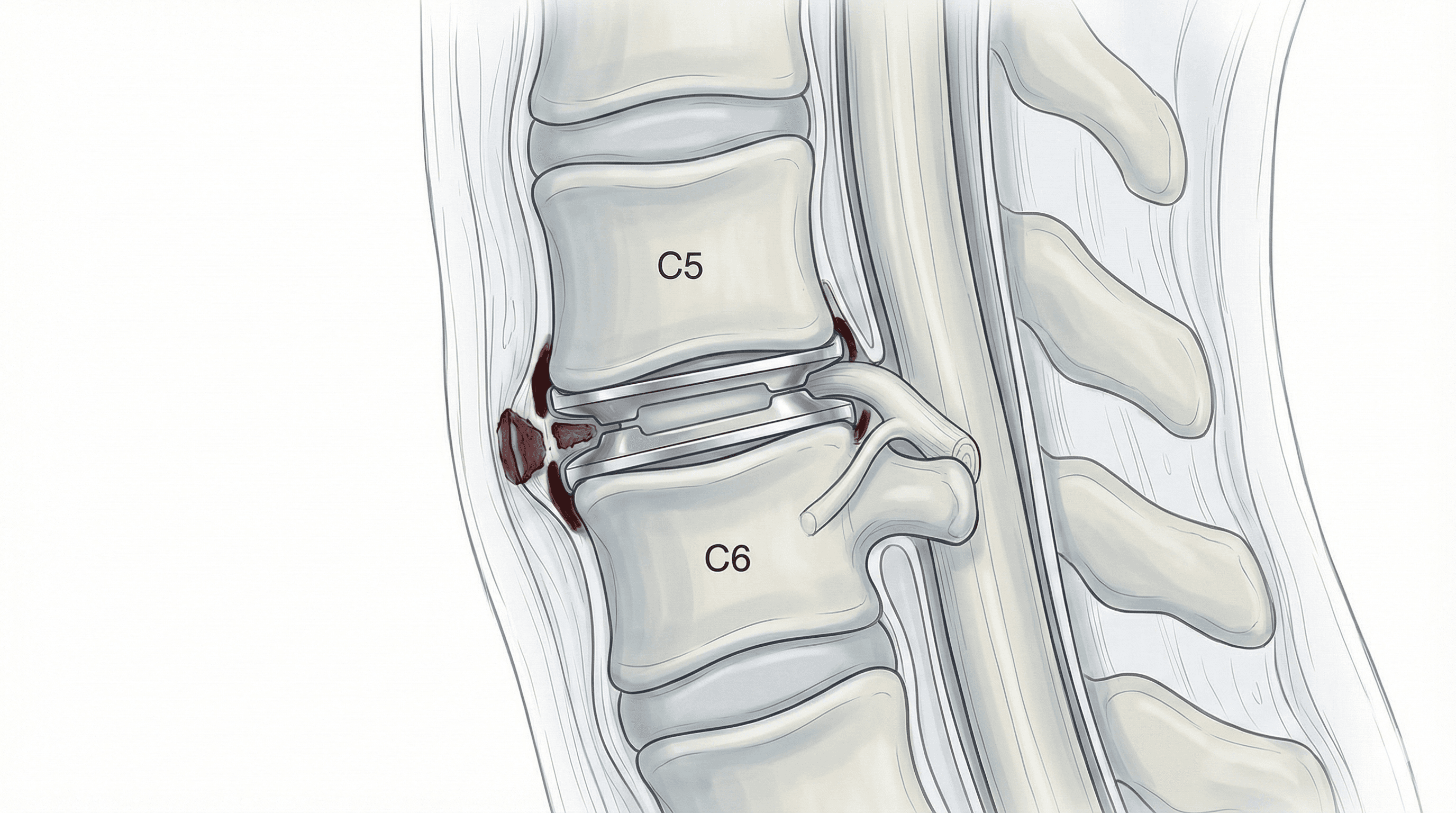
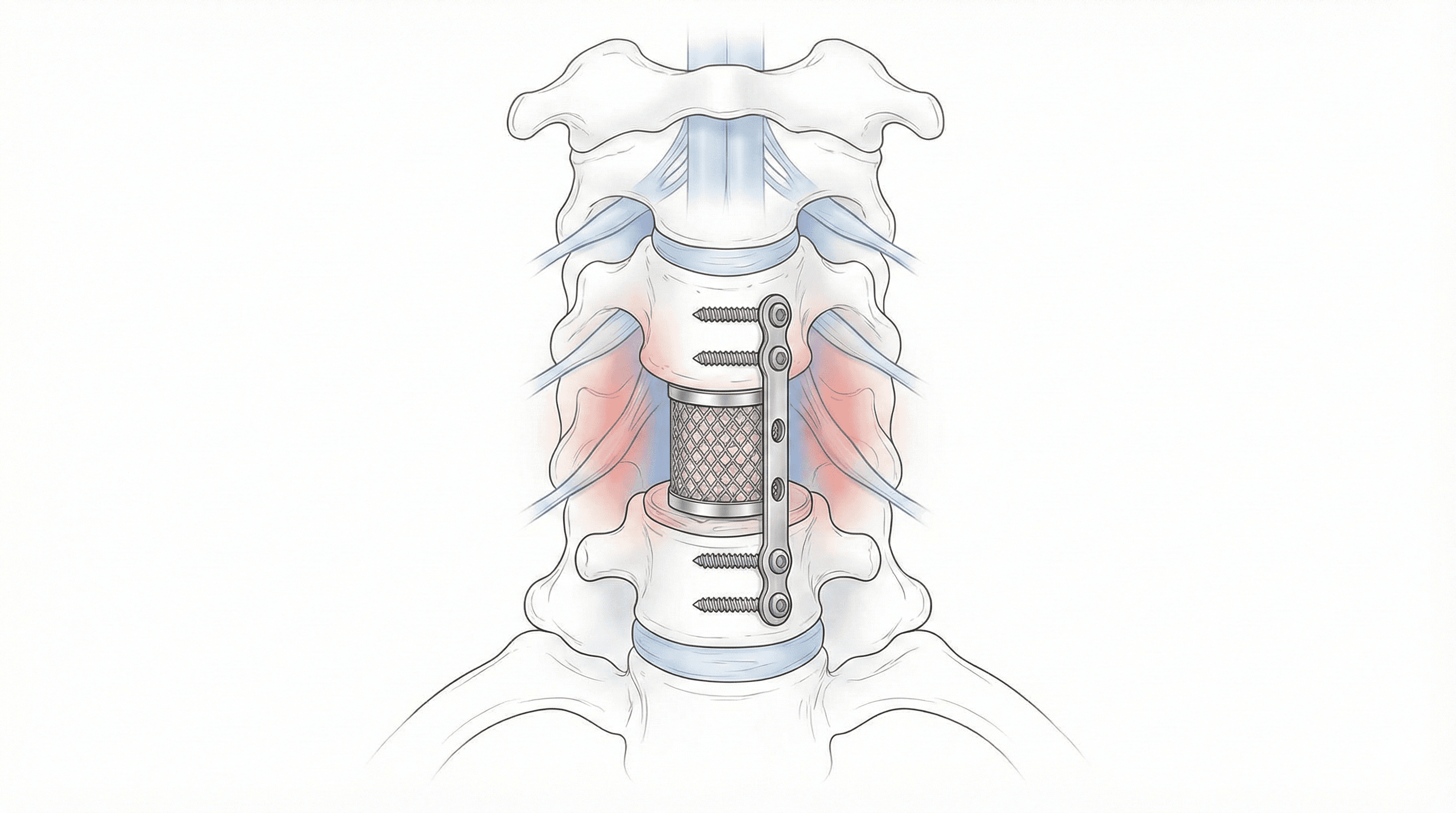
Do these symptoms sound familiar?
If you recognise yourself in some of these symptoms and your pain is starting to limit your daily life, we can review your case in a personalised consultation. Dr. Ben Ghezala will assess your clinical history and imaging studies to help you decide the best treatment option for you.
Request a consultation with Dr. Ben Ghezala